Support our educational content for free when you purchase through links on our site. Learn more
Who Is Jacksonville Named After? The Surprising Story Revealed 🏙️

Ever wondered why Jacksonville, Florida, carries the name of a man who never even set foot in the city? You’re not alone! From its humble beginnings as a river crossing called Cowford to becoming the sprawling metropolis we know today, Jacksonville’s name has a fascinating backstory tied to one of America’s most controversial and colorful figures: Andrew Jackson. But why him? And how did this connection shape the city’s identity?
In this deep dive, we’ll unravel the mystery behind Jacksonville’s name, explore Andrew Jackson’s complex legacy, and reveal how a military hero’s influence echoes through the streets, parks, and culture of the Bold City. Plus, we’ll share insider tidbits about the city’s founding families, the role of the St. Johns River, and even the ongoing debates about Jackson’s place in modern Jacksonville. Ready to discover the story behind the name that’s more than just a label? Let’s jump in!
Key Takeaways
- Jacksonville is named after Andrew Jackson, the seventh U.S. president and first military governor of the Florida Territory, despite him never visiting the city itself.
- The city was originally called Cowford, named for a cattle crossing on the St. Johns River, before being renamed in 1822.
- Andrew Jackson’s military campaigns and political maneuvers, including the Adams-Onís Treaty, were pivotal in transferring Florida from Spanish to American control.
- Jacksonville’s identity today is a rich tapestry woven from its history, geography, and culture, far beyond just its namesake.
- The legacy of Andrew Jackson remains complex and debated, with ongoing conversations about how to honor history while embracing inclusivity.
Curious to learn more about the man behind the name and how Jacksonville grew into the city it is today? Keep reading for a full story that’s as bold as the city itself!
Table of Contents
- ⚡️ Quick Tips and Facts About Jacksonville’s Name
- 🧐 Unraveling the Mystery: Who is Jacksonville, Florida Named After?
- 🤠 The Man Behind the Name: Andrew Jackson’s Enduring Legacy
- 🏡 From Cowford to Jacksonville: The Birth of a River City
- 🏙️ Jacksonville’s Identity: More Than Just a Name on the Map
- 🤔 The Enduring Debate: Andrew Jackson’s Complex Legacy in Modern Jacksonville
- 🌟 Beyond the Name: What Makes Jacksonville, Florida Unique Today?
- ✅ Conclusion: The Story Behind Our City’s Name
- 🔗 Recommended Links for Further Exploration
- ❓ FAQ: Your Burning Questions About Jacksonville’s Naming
- 📚 Reference Links: Our Sources and More
⚡️ Quick Tips and Facts About Jacksonville’s Name
- Andrew Jackson never set foot in the city that carries his name—yet his political shadow is everywhere, from courthouse portraits to school mascots.
- The original name “Cowford” stuck around so long that locals still toss it into conversation when they want to sound old-school Jax.
- Jacksonville is the largest city by land area in the lower 48—bigger than Houston, Philly, and Chicago combined.
- The St. Johns River (a.k.a. the “river that flows north”) is the reason the first settlers huddled here; it’s also why we have 22 miles of beaches without moving the downtown skyline.
- Duval County and the City of Jacksonville consolidated governments in 1968, so when you mail a letter to “Jacksonville,” you’re technically mailing it to 874 square miles of pure Florida sprawl.
- Need a bite after all this trivia? Slide over to our guide on the 19 Best Places to Eat in Jacksonville FL 🍽️ (2025 Guide)—because history tastes better with a side of shrimp & grits.
🧐 Unraveling the Mystery: Who is Jacksonville, Florida Named After?
We’ve all been there: you’re sipping a Bold City Brewery pint on the Southbank Riverwalk, someone asks, “So who is Jacksonville named after?” and the table goes quiet. Spoiler—it’s not Jack from Titanic, and it’s definitely not Jack Sparrow (though we’d watch that reboot). The city’s name honors Andrew Jackson, the seventh U.S. President and first military governor of the Florida Territory. But the story is juicier than a Mayport shrimp on a summer grill. Let’s dig in.
🤠 The Man Behind the Name: Andrew Jackson’s Enduring Legacy
⚔️ From Revolutionary War Hero to President: Andrew Jackson’s Life and Times
Andrew Jackson was a scrawny orphan from the Carolinas who grew up to be the most polarizing rock-star politician of his day. He dueled for honor, adopted two Native American boys while simultaneously signing the Indian Removal Act, and beat the British at New Orleans after the War of 1812 was technically over—classic Jackson move. Love him or loathe him, the man knew how to command a room (and a cannon).
🌴 Old Hickory and Florida: His Pivotal Connection to the Sunshine State
Jackson marched into Florida in 1818 chasing Seminole raiders—an invasion that helped force Spain to the bargaining table. His First Seminole War campaign was equal parts military genius and diplomatic chaos, but it fast-tracked the Adams-Onís Treaty. Without Jackson’s saber-rattling, Florida might still be speaking Spanish and selling churros on the St. Johns.
📜 The Adams-Onís Treaty of 1819: How Florida Became U.S. Territory
Signed on February 22, 1819, the treaty handed Spain’s last North-American stronghold to the U.S. for a cool $5 million in assumed debts and a promise to stop invading. Jackson was appointed military governor in 1821, tasked with setting up a territorial government faster than you can say “¡Viva la Florida!” He approved the first land grants along the north bank of the Cowford crossing—prime real estate that would soon bear his name. Read the full treaty text from the National Archives.
🏡 From Cowford to Jacksonville: The Birth of a River City
🌍 Before Jacksonville: A Glimpse into the Area’s Indigenous and Colonial Past
Long before hashtags and Jaguars jerseys, the Timucua called this slice of riverfront “Wacca Pilatka”—Timucuan for “place of the cow’s crossing.” Spanish missionaries, French Huguenots, and British cattle barons all left footprints (and cannonballs) in the sand. The British renamed the crossing Cow Ford because, well, cows crossed there. Creativity was not their strong suit.
🌊 The Mighty St. Johns River: Jacksonville’s Lifeline and Early Settlement
The St. Johns is one of only a handful of rivers on Earth that flows northward—a geographical flex that made it the perfect highway for steamboats, Spanish galleons, and modern-day yachts. Settlers clustered on the north bank because the bluff was high enough to dodge seasonal floods and low enough to roll cotton bales straight onto barges. Today the river still dictates rush-hour bridge traffic; we call it “the great Jacksonville equalizer.”
🗓️ The Naming Ceremony of 1822: Why Andrew Jackson Was Chosen as the Namesake
In 1822 two ambitious Scottish-Irish brothers, John and William Hart, platted 200 lots on their bluff-top plantation. Needing political clout to get a post office, they petitioned the territorial council. Andrew Jackson was the most recognizable brand in Florida politics—think influencer with a musket. The council approved “Jacksonville” on June 15, 1822, even though Jackson had yet to visit. Talk about name-dropping before arrival.
| Key Players in 1822 Jacksonville | Role | Fun Tidbit |
|---|---|---|
| Andrew Jackson | Territorial Governor | Never visited the city |
| Isiah Hart | Founder & Surveyor | Named two downtown streets after daughters Julia & Laura |
| William Pope Duval | First Civilian Governor | Duval County named after him; still can’t get a school named for himself |
| John Brady | Early Landowner | Donated land for the first courthouse (now a Chase Bank—progress?) |
🏙️ Jacksonville’s Identity: More Than Just a Name on the Map
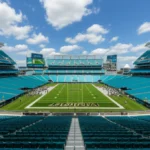
Jacksonville isn’t just “the city that Andrew Jackson never saw.” We’re the Bold New City of the South, the River City, the Gateway to Florida, and—if you ask any local after a Jags loss—the Cardiac Cats Capital. Our identity is stitched from surf culture, naval pride, Southern hospitality, and startup hustle. You can catch a Symphony Orchestra performance in Jacoby Hall, tailgate in TIAA Bank Field, and still make it to Neptune Beach for sunset—all without leaving city limits. That’s the Jacksonville flex.
🤔 The Enduring Debate: Andrew Jackson’s Complex Legacy in Modern Jacksonville
Walk into James Weldon Johnson Park and you’ll see kids doing backflips to boom-box beats beneath a statue of a man who once championed Native American removal. Awkward? Absolutely. Activists periodically petition to rename schools, streets, even the city itself. Others argue that erasing history is worse than contextualizing it. The city’s History & Heritage Commission is exploring co-naming initiatives—think “Jacksonville at Wacca Pilatka Plaza.” Whatever side you’re on, the conversation keeps our past alive—and that’s pure Jacksonville.
🌟 Beyond the Name: What Makes Jacksonville, Florida Unique Today?
- 874 square miles of city—larger than Miami, Tampa, Orlando, and Tallahassee combined.
- 22 miles of Atlantic beaches, plus 1,100 miles of shoreline total—more than any other city in Florida.
- The largest urban park system in the U.S., clocking in at 80,000 acres—four times the size of Manhattan.
- Home to three Navy bases and 30,000+ active-duty personnel—we bleed blue and gold.
- Birthplace of Southern rock (hello, Lynyrd Skynyrd and Allman Brothers) and the Harlem of the South (LaVilla).
- Host of the nation’s biggest 15K, the Gate River Run, where elite runners chase $85,000 prize money and weekend warriors chase free bananas.
- The only consolidated city-county government in Florida—meaning one mayor, one sheriff, and one epic budget meeting every September.
And if you’re still hungry for more local lore, dive into our deep-dive on Jacksonville Facts or explore how the city’s layout affects everything from rush hour to reef surfing at Jacksonville Geography.
✅ Conclusion: The Story Behind Our City’s Name

So, who is Jacksonville named after? The answer is clear: Andrew Jackson, the fiery military hero and seventh president of the United States, whose bold actions helped bring Florida into the American fold. While he never walked the streets of the city that bears his name, his legacy is etched into the very fabric of Jacksonville’s history—from the naming ceremony in 1822 to the ongoing debates about his complex legacy today.
Jacksonville’s name is more than a label; it’s a gateway to stories of indigenous peoples, colonial struggles, and American expansionism. It’s a reminder of how a river crossing called Cowford transformed into a sprawling metropolis with a unique identity. And it’s a conversation starter—a way for locals and visitors alike to connect with the past while shaping the future.
Whether you’re a history buff, a curious newcomer, or a lifelong Jax resident, understanding who Jacksonville is named after enriches your appreciation for this vibrant city. And if you ever find yourself at a dinner party in the Bold City, you’ll have the perfect answer to that classic question: “So, who is Jacksonville named after?”
🔗 Recommended Links for Further Exploration
If you want to dive deeper into Andrew Jackson’s life or the history of Jacksonville, these books and resources come highly recommended by the Jax Facts™ team:
- Andrew Jackson: His Life and Times by H.W. Brands
Shop on Amazon - Jacksonville’s Historic Architecture by Wayne Wood
Shop on Amazon - Florida’s History: From Spanish Colony to American State by Michael Gannon
Shop on Amazon - The Adams-Onís Treaty of 1819 (National Archives)
Read Online
❓ FAQ: Your Burning Questions About Jacksonville’s Naming

Why was Andrew Jackson important to Florida?
Andrew Jackson played a pivotal role in Florida’s transition from Spanish to American control. As a military leader during the First Seminole War (1817-1818), he led incursions into Spanish Florida to suppress Seminole raids and runaway slaves. His aggressive actions pressured Spain into negotiating the Adams-Onís Treaty of 1819, which ceded Florida to the United States. Jackson’s appointment as the first military governor of the Florida Territory cemented his influence, making him a natural choice for the city’s namesake.
Read more about “25 Famous People from Jacksonville, FL You Didn’t Know About (2025) 🎉”
When was Jacksonville renamed?
The area originally known as Cowford was officially renamed Jacksonville in 1822, just one year after the U.S. acquired Florida from Spain. The renaming was part of an effort to establish a formal town and honor Andrew Jackson’s role as the first military governor of the territory.
Read more about “What Makes Jacksonville FL Famous? 15 Surprising Reasons (2025) 🌴”
Who founded Jacksonville Florida?
Jacksonville was founded by Isiah Hart, a Scottish-Irish settler who purchased land at the Cowford crossing and laid out the original town plat in 1822. Hart named two of the city’s first streets after his daughters, Julia and Laura, and petitioned the territorial government to name the town after Andrew Jackson.
Read more about “Uncovering Jacksonville History: 15 Surprising Facts & Stories (2025) 🏞️”
What does the name Jacksonville mean?
The name Jacksonville literally means “the town or settlement of Jackson.” It was chosen to honor Andrew Jackson’s leadership and influence in Florida’s early territorial days. The suffix “-ville” is French for “town,” a common naming convention in American towns of the 19th century.
Read more about “Why Is Jacksonville Called Jax? The Untold Story (2025) 🏙️”
What was the original name of Jacksonville?
Before it was Jacksonville, the area was known as Cowford, a name derived from the shallow river crossing where cattle were driven across the St. Johns River. The indigenous Timucua called the area Wacca Pilatka, meaning “cow crossing.”
Read more about “19 Best Places to Eat in Jacksonville FL 🍽️ (2025 Guide)”
Why was Jacksonville Florida named after Andrew Jackson?
Jacksonville was named after Andrew Jackson to honor his role as the first military governor of the Florida Territory and his instrumental part in securing Florida for the United States. His reputation as a war hero and political leader made his name a symbol of American authority and expansion in the region.
Read more about “What Was Jacksonville’s Original Name and Why? 🐄 (2025)”
Who was Andrew Jackson and why is Jacksonville named after him?
Andrew Jackson was a military general, politician, and the seventh president of the United States. Known for his fiery personality and populist policies, he played a key role in American history, including the acquisition of Florida. Jacksonville was named after him to commemorate his leadership during the early days of the Florida Territory.
When was Jacksonville, Florida founded and named?
Jacksonville was founded and officially named in 1822, shortly after the U.S. took control of Florida. The town was platted by Isiah Hart and others, and the name was chosen to honor Andrew Jackson.
Read more about “What Year Was Jacksonville Renamed? Uncover the Surprising Story! 🏙️”
What is the history behind Jacksonville’s name?
Jacksonville’s name reflects the city’s origins during a period of American expansionism. The name was chosen to honor Andrew Jackson’s military and political leadership in Florida, symbolizing the transition from Spanish colonial rule to American governance.
Read more about “What Are People From Jacksonville Called? Discover 4 Local Nicknames! 🏙️”
Are there other cities named after Andrew Jackson in the United States?
Yes, several other towns and counties across the U.S. are named after Andrew Jackson, including Jackson, Mississippi (the state capital), Jackson, Tennessee, and Jackson County in multiple states. This reflects Jackson’s widespread influence and popularity during the 19th century.
Read more about “Discover the Biggest City in Florida by Land Area! 🌆”
📚 Reference Links: Our Sources and More
- City of Jacksonville – Jacksonville.gov
- Wikipedia: Jacksonville, Florida
- Visit Jacksonville – Jax Facts
- National Archives: Adams-Onís Treaty
- Bold City Brewery Official Site
- Jacksonville Jaguars Official Site
- Jacksonville International Airport (JAX)
For more fascinating insights about Jacksonville’s geography, culture, and education, check out our internal resources: