Support our educational content for free when you purchase through links on our site. Learn more
Is Jacksonville the Largest City in the U.S. Area? 🌆 (2026)

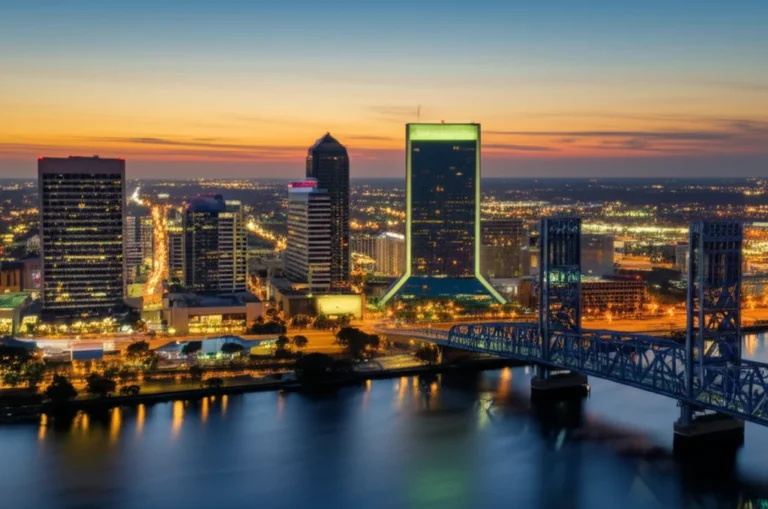
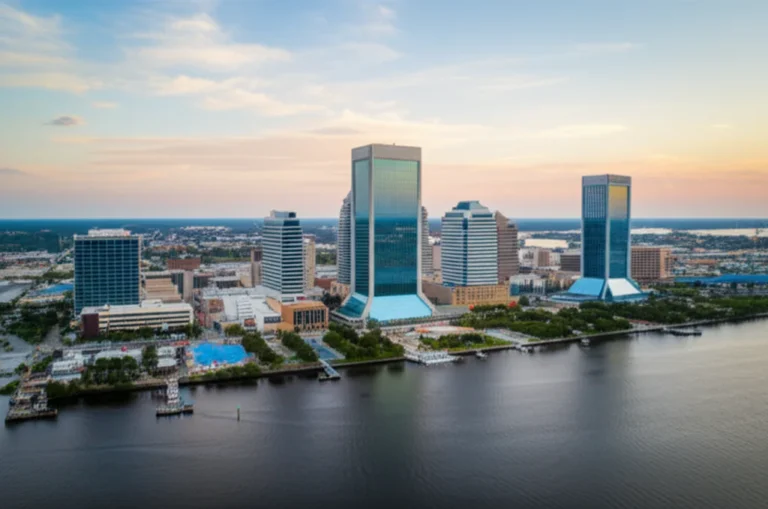
Jacksonville often pops up in conversations about the biggest cities in America—but is it really the largest city by land area in the U.S.? Spoiler alert: the answer depends on how you measure “largest.” With a sprawling footprint that covers nearly 874 square miles, Jacksonville claims the crown for the largest city by area in the contiguous United States. But what about population? How did Jacksonville get so big? And how does it stack up against other giants like Houston or even some Alaskan cities?
Stick with us as we unpack the fascinating story behind Jacksonville’s massive city limits, the 1968 consolidation that changed everything, and why this Florida city’s size matters more than you might think. Plus, we’ll explore the unique challenges and perks of managing a city that’s basically a small state. Ready to discover why Jacksonville is truly a giant on the map? Let’s dive in!
Key Takeaways
- Jacksonville is the largest city by land area in the contiguous U.S., spanning about 874 square miles.
- The city’s size is largely due to the 1968 consolidation of Jacksonville with Duval County, merging urban and rural areas under one government.
- While Jacksonville is huge in area, it is not the most populous city in the U.S.—New York City holds that title.
- Jacksonville’s vast geography includes diverse neighborhoods, extensive parks, and significant water bodies like the St. Johns River.
- Managing infrastructure and public services across such a large area presents unique challenges and opportunities for innovation.
- Compared to other large cities, Jacksonville outpaces Houston and Phoenix in land area but trails behind several massive Alaskan municipalities.
Curious about how Jacksonville’s size impacts its culture, economy, and daily life? Keep reading to get the full picture!
Table of Contents
- ⚡️ Quick Tips and Facts About Jacksonville’s Size
- 🌍 Jacksonville’s Geographic Footprint: How Big Is It Really?
- 📜 The Evolution of Jacksonville’s City Limits: History and Expansion
- 📊 Population vs. Area: What Makes a City “Largest”?
- 🗺️ Comparing Jacksonville to Other Large U.S. Cities by Land Area
- 🏙️ The Role of Consolidated City-County Government in Jacksonville’s Size
- 💡 Why Does Jacksonville’s Size Matter? Economic and Cultural Impacts
- 🚗 Infrastructure and Urban Planning Challenges in America’s Largest City by Area
- 🌆 Neighborhoods and Districts: Exploring Jacksonville’s Vast Urban Landscape
- 👥 Demographics and Diversity Across Jacksonville’s Expansive Territory
- 🏛️ Government Structure and Political Influence in a Mega-Sized City
- 🎓 Education and Public Services Spread Over Jacksonville’s Large Area
- 🌐 Sister Cities and Jacksonville’s Global Connections
- 📝 Notes on Measuring City Size: Area vs. Population vs. Metro
- 📚 Reference Links for Jacksonville’s Size and City Data
- 🎯 Conclusion: Is Jacksonville the Largest City in the U.S. Area?
- 🔗 Recommended Links for Further Exploration
- ❓ FAQ: Your Burning Questions About Jacksonville’s Size Answered
⚡️ Quick Tips and Facts About Jacksonville’s Size
Before we dive into the nitty-gritty of our massive hometown, let’s look at the fast facts that make Jacksonville, Florida, a literal giant on the map. If you’ve ever wondered what city has the most land area, you’re in the right place to find out why Jax is always in that conversation! 🌍
- Total Area: Approximately 874.46 square miles.
- Land Area: Roughly 747.30 square miles.
- Water Area: About 127.16 square miles (thanks to the beautiful St. Johns River and the Atlantic).
- The “Big” Claim: Jacksonville is the largest city by land area in the contiguous United States.
- The Alaska Caveat: While we are the kings of the “Lower 48,” four cities in Alaska (Sitka, Juneau, Anchorage, and Fairbanks) are technically larger in total acreage.
- Population: Over 949,611 residents (2020 Census), making us the most populous city in Florida.
- Park Power: We boast the largest urban park system in the nation—four times the size of Manhattan! 🌳
| Feature | Jacksonville Stat |
|---|---|
| Contiguous U.S. Rank | #1 in Land Area 🏆 |
| Florida Rank | #1 in Population 👥 |
| Shoreline | 1,100+ miles 🌊 |
| Sunny Days | 270 per year ☀️ |
| Average Age | 36 (Youngest in FL!) 👶 |
🌍 Jacksonville’s Geographic Footprint: How Big Is It Really?
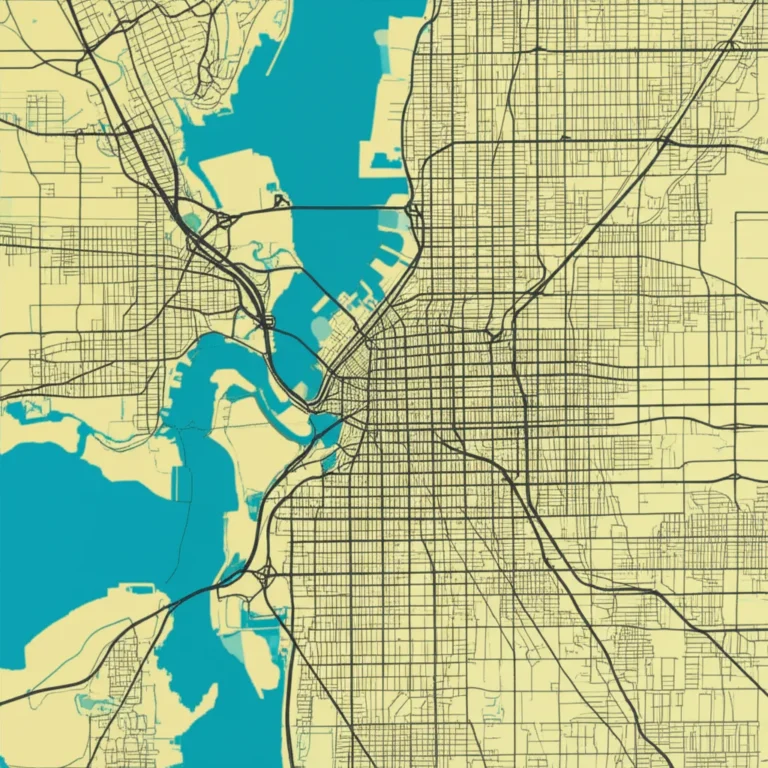
When we say Jacksonville is big, we don’t just mean “hard to find a parking spot” big. We mean “you can drive for an hour at 70 mph and still be in the city limits” big. According to official Census data, the city covers a staggering 874 square miles.
To put that into perspective, you could fit the entire cities of Miami, Orlando, and Tampa inside Jacksonville’s borders and still have room for a few dozen football fields. We often joke at Jax Facts™ that Jacksonville isn’t just a city; it’s a small country with better barbecue.
The Land vs. Water Debate
While the total area is massive, a significant portion of our footprint is defined by the St. Johns River, which uniquely flows south to north.
- Land: 747.30 sq mi ✅
- Water: 127.16 sq mi ✅
This vastness is a core part of our Jacksonville Facts, influencing everything from our commute times to our diverse ecosystems. But how did we get this way? Was it just a giant land grab? We’ll resolve that mystery in the history section below!
📜 The Evolution of Jacksonville’s City Limits: History and Expansion

Jacksonville wasn’t always this gargantuan. In the early 20th century, we were a bustling port town, but our borders were much tighter. The “Big Bang” of Jacksonville’s geography happened in 1968.
The Great Consolidation
Before 1968, the City of Jacksonville and Duval County operated as separate entities. However, facing issues with corruption and a shrinking tax base, voters approved a consolidation. This merged the city and the county into one massive governmental unit.
- Why it happened: To streamline services and expand the tax base.
- The Result: Jacksonville instantly became the largest city in the contiguous U.S. by land area.
- The Exceptions: The small beach communities (Atlantic Beach, Neptune Beach, Jacksonville Beach) and Baldwin voted to remain semi-independent, though they still benefit from many consolidated services.
We love telling visitors that when they cross the Duval County line, they are officially “in the city,” even if they are surrounded by pine trees and quiet wetlands. It’s a “Bold New City of the South” indeed!
📊 Population vs. Area: What Makes a City “Largest”?
This is where things get spicy in the world of urban planning. When people ask “Is Jacksonville the largest city?”, the answer depends on whether they mean people or pavement.
The Population Perspective
While we are the most populous city in Florida—beating out Miami’s city proper—we aren’t the largest in the U.S. by headcount.
- Jacksonville Population: ~1 million
- New York City Population: ~8.3 million
However, because our land area is so huge, our population density is much lower. You won’t feel like a sardine here. According to Florida Travel + Life, while Miami has a massive metro area of 6 million people, Jacksonville’s metro area is a more manageable 1.6 million. Check out our deep dive into Jacksonville Demographics for more on who actually lives in these 874 square miles.
🗺️ Comparing Jacksonville to Other Large U.S. Cities by Land Area
Let’s look at the heavy hitters. If we are talking about the “Lower 48” states, Jacksonville wears the crown. But if we include the land of the midnight sun, we drop a few spots.
| City | State | Land Area (Sq Mi) |
|---|---|---|
| Sitka | Alaska | 2,870 |
| Juneau | Alaska | 2,701 |
| Anchorage | Alaska | 1,704 |
| Jacksonville | Florida | 747 |
| Houston | Texas | 640 |
| Oklahoma City | Oklahoma | 606 |
| Phoenix | Arizona | 517 |
As you can see, we are significantly larger than Texas giants like Houston! If you’re planning to explore this massive landscape, we highly recommend grabbing some reliable gear.
👉 Shop Outdoor Gear on:
- Hiking Boots: Amazon | Walmart
- Portable GPS: Amazon | Garmin Official
🏙️ The Role of Consolidated City-County Government in Jacksonville’s Size
The consolidation isn’t just a history lesson; it’s how we live every day. Because the Jacksonville Sheriff’s Office (JSO) and Jacksonville Fire and Rescue (JFRD) cover the entire county, the scale of operations is immense.
Pros and Cons of a Mega-City Government
- Pros: Unified planning, massive purchasing power for the city, and a single Mayor (currently Donna Deegan) leading the charge.
- Cons: It can be difficult to provide equal attention to a neighborhood in the far Northside and a street in Mandarin, which are 30 miles apart.
This structure is a major topic in Jacksonville Culture, as residents often identify more with their specific neighborhood than the “city” as a whole.
💡 Why Does Jacksonville’s Size Matter? Economic and Cultural Impacts
Being big isn’t just a fun fact for trivia night at Lynch’s Irish Pub; it drives our economy.
- Logistics Hub: With so much land, we have room for massive logistics centers. Companies like Amazon, Wayfair, and CSX (headquartered here!) take advantage of our space and proximity to JAXPORT.
- Military Presence: We host Naval Air Station Jacksonville and Naval Station Mayport. The sheer acreage allows these bases to coexist with civilian life without the friction found in smaller cities.
- The “Boring” Debate: A featured news segment once ranked Jax as the “most boring city.” We beg to differ! The “boring” label often comes from people who stay in one spot. Because we are so spread out, the “fun” is decentralized. You might find a world-class jazz fest downtown and a surfing competition at the Jacksonville Beaches on the same day!
🚗 Infrastructure and Urban Planning Challenges in America’s Largest City by Area
Managing 874 square miles of roads and bridges is a Herculean task. We have some of the most iconic bridges in the South, like the Dames Point Bridge and the blue Main Street Bridge.
The Commute Struggle
If you live in Jax, you likely spend a lot of time on I-95, I-10, or the I-295 Beltway.
- The Challenge: Sprawl. Because land was historically cheap and plentiful, Jacksonville grew “out” rather than “up.”
- The Solution: The JTA (Jacksonville Transportation Authority) is constantly working on the Ultimate Urban Circulator (U2C), an autonomous vehicle network designed to bridge the gaps in our massive downtown.
🌆 Neighborhoods and Districts: Exploring Jacksonville’s Vast Urban Landscape
Because we are so large, Jacksonville feels like a collection of distinct towns.
- Riverside & Avondale: Historic, walkable, and full of hip bars like Black Sheep.
- San Marco: Inspired by Venice, featuring the iconic Lions fountain and upscale dining.
- The Northside: Home to the Jacksonville Zoo and Gardens and vast nature preserves.
- The Beaches: A world of its own with a laid-back vibe and the famous Pier.
👉 CHECK PRICE on:
👥 Demographics and Diversity Across Jacksonville’s Expansive Territory
With an average age of 36, we are the youngest major city in Florida. This youth brings a vibrant energy to our arts and food scenes. Our diversity is our strength, with a rich tapestry of cultures represented from the historic African American community in LaVilla (the “Harlem of the South”) to growing Hispanic and Asian populations.
For a deeper look at our community makeup, visit our Jacksonville Demographics page.
🏛️ Government Structure and Political Influence in a Mega-Sized City
Jacksonville operates under a strong-mayor system. This means the Mayor has significant executive power, which is necessary to manage such a large territory. The City Council consists of 19 members—14 representing specific districts and 5 “At-Large” members who represent the entire city. This ensures that even the most rural parts of Duval County have a voice in City Hall.
🎓 Education and Public Services Spread Over Jacksonville’s Large Area
The Duval County Public Schools (DCPS) district is one of the largest in the nation. Managing school buses across 800+ square miles is a logistical feat that would make a general sweat!
We are also home to:
- University of North Florida (UNF)
- Jacksonville University (JU)
- Edward Waters University (Florida’s oldest HBCU)
Learn more about our local schools at Jacksonville Education.
🌐 Sister Cities and Jacksonville’s Global Connections
Despite our “Southern” roots, Jax is globally minded. We have several sister cities, including:
- Bahia Blanca, Argentina
- Murmansk, Russia
- Nantes, France
- Yingkou, China
These partnerships foster cultural exchange and economic ties, proving that even the largest city in the U.S. area knows how to make friends across the pond. 🌍
📝 Notes on Measuring City Size: Area vs. Population vs. Metro
When you see headlines about “The Biggest City,” always check the metrics.
- City Proper: The actual legal boundaries (This is where Jax wins in the Lower 48).
- Metropolitan Statistical Area (MSA): The city plus surrounding suburbs (Miami wins this in Florida).
- Population Density: People per square mile (NYC wins this by a landslide).
Jacksonville is the king of the City Proper Land Area in the contiguous U.S., and that is a fact we wear with pride!
📚 Reference Links for Jacksonville’s Size and City Data
- U.S. Census Bureau – Jacksonville QuickFacts
- Visit Jacksonville – Official Jax Facts
- City of Jacksonville Official Website
- Wikipedia – Jacksonville, Florida
- Florida Travel + Life – Is Jacksonville Really the Biggest?
🎯 Conclusion: Is Jacksonville the Largest City in the U.S. Area?

After our deep dive into the sprawling geography, rich history, and unique government structure of Jacksonville, the answer is clear: Yes, Jacksonville is the largest city by land area in the contiguous United States. With nearly 874.5 square miles of combined city and county territory, it dwarfs other major cities in sheer size.
But size isn’t just a number here—it shapes the city’s culture, economy, and daily life. From the vast parks and miles of shoreline to the sprawling neighborhoods and military bases, Jacksonville’s footprint is as diverse as it is expansive.
While we may not be the most populous city in the U.S., or even Florida’s largest metro area, Jacksonville’s unique consolidated city-county government created a mega-city unlike any other in the Lower 48. This explains why you can drive for an hour and still be in “Jax,” yet experience everything from urban nightlife to serene beaches and dense wetlands.
So next time someone asks, “Is Jacksonville the biggest city in the U.S.?” you can confidently say: “In land area, absolutely — and that’s just the beginning of what makes Jax bold and beautiful.” 🏙️🌴
🔗 Recommended Links for Further Exploration
👉 Shop Outdoor and Travel Gear for Exploring Jacksonville’s Vast Area:
-
Portable GPS Devices:
Amazon | Garmin Official Website
Books About Jacksonville and Florida:
- Jacksonville: The Consolidation Story by Wayne Wood — Amazon
- Florida’s First Coast: A History of Jacksonville and Northeast Florida by John A. Weeks Jr. — Amazon
- Jacksonville Jazz Festival: The Story of a Southern Tradition by Jax Jazz Society — Amazon
❓ FAQ: Your Burning Questions About Jacksonville’s Size Answered

What’s the largest city in the U.S. by area?
Jacksonville, Florida, is the largest city by land area in the contiguous United States, covering approximately 874.46 square miles. However, if you include Alaska, cities like Sitka and Juneau are larger. The distinction is important because Alaska’s municipalities cover vast wilderness areas, while Jacksonville’s size is unique for a major urban center in the Lower 48.
Is Jacksonville the largest city in the United States?
It depends on your metric! Jacksonville is the largest by land area in the continental U.S., but it is not the largest by population. New York City holds the population crown with over 8 million residents. Jacksonville’s population is about 1 million, making it Florida’s most populous city but not the nation’s.
What makes Jacksonville the largest city by area in the U.S.?
The 1968 consolidation of the City of Jacksonville with Duval County dramatically expanded the city’s boundaries. This merger combined urban, suburban, and rural areas under one government, creating a city with an enormous footprint that includes everything from dense downtown blocks to sprawling wetlands and beaches.
How does Jacksonville’s size compare to other major U.S. cities?
Jacksonville’s land area of roughly 747 square miles is larger than Houston (640 sq mi), Phoenix (517 sq mi), and Oklahoma City (606 sq mi). Only a few Alaskan cities surpass it in size. This means Jacksonville covers more ground than many other major metropolitan areas, but with a much lower population density.
Why is Jacksonville’s land area so much larger than its population size?
Because Jacksonville’s city limits include vast rural and natural areas, including wetlands, forests, and waterways, the population density is relatively low. The city grew outward rather than upward, thanks to affordable land and the consolidation with Duval County, which included many sparsely populated regions.
What geographical features contribute to Jacksonville’s large city limits?
The St. Johns River, which flows uniquely south to north, bisects the city and adds to its water area. The city also includes extensive coastal shoreline along the Atlantic Ocean, large tracts of wetlands, and protected areas like the Timucuan Ecological and Historical Preserve. These natural features contribute to Jacksonville’s expansive boundaries.
How does Jacksonville’s consolidated government affect its size and services?
Jacksonville’s consolidated city-county government means that one administration manages services across the entire 874-square-mile area. This unification helps streamline governance but also poses challenges in providing equitable services across urban, suburban, and rural zones.
What are some challenges of managing such a large city?
Infrastructure maintenance, transportation, and public safety must cover a huge area. For example, coordinating school bus routes, emergency response, and road repairs requires significant resources and planning. The Jacksonville Transportation Authority is actively working on innovative solutions like autonomous shuttles to improve connectivity.
📚 Reference Links for Verification and Further Reading
- U.S. Census Bureau – Jacksonville QuickFacts
- Visit Jacksonville – Official Jax Facts
- City of Jacksonville Official Website
- Wikipedia – Jacksonville, Florida
- Florida Travel + Life – Is Jacksonville Really the Biggest City in America?
- JAXPORT – Jacksonville Seaport
- Jacksonville Transportation Authority (JTA)
- Garmin Official Website
Ready to explore the largest city in the Lower 48? Whether you’re a local or a visitor, Jacksonville’s vastness offers endless adventures and stories waiting to be discovered. Stay tuned for more Jax Facts™! 🌟