Support our educational content for free when you purchase through links on our site. Learn more
🏆 Is Jacksonville the Largest City in Florida? (2026)

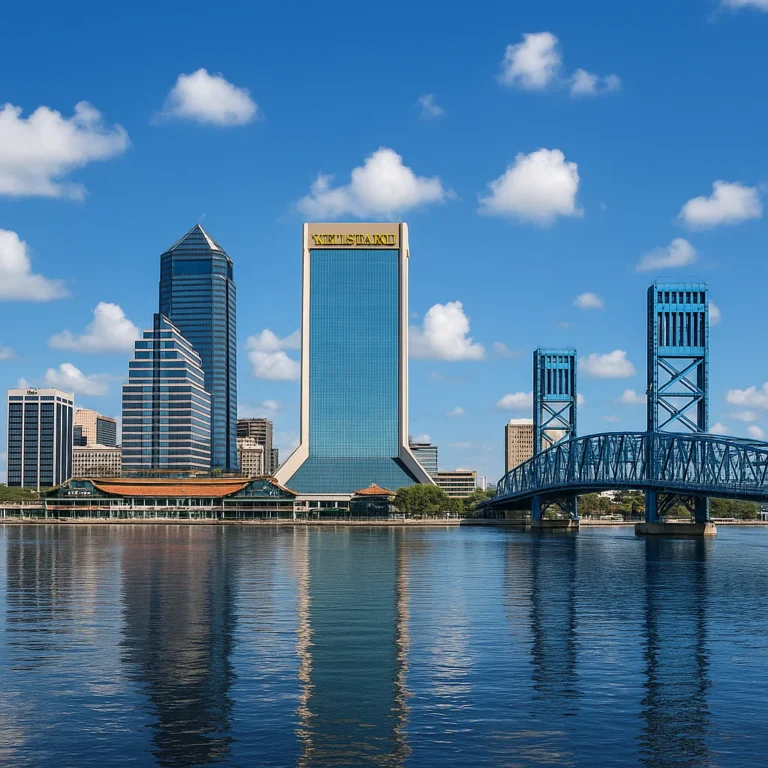
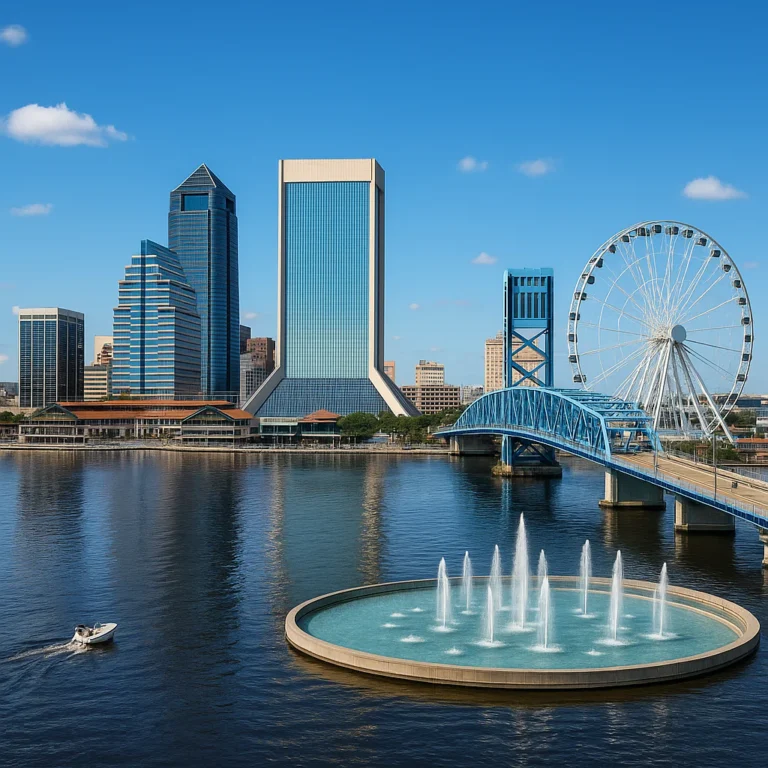
You’ve heard the claim whispered in diners and shouted at tailgates: Jacksonville is the biggest city in Florida. But is it really, or is that just a local myth born from a clever government merger? The truth is far more fascinating than a simple “yes” or “no.” While Miami might feel like a concrete jungle and Tampa buzzes with dense urban energy, Jacksonville holds a title that no other city in the lower 48 states can touch: the largest by land area.
Imagine a city so vast that you could drive from a bustling downtown skyscraper to a quiet rural farm and still be within the same city limits. That’s the reality of the First Coast. In this deep dive, we’ll unravel the mystery of the 1968 Consolidation, compare our sprawling 874 square miles against Miami and Tampa, and reveal why our size creates a unique lifestyle that blends city convenience with country space. By the end, you’ll understand exactly why Jacksonville isn’t just the largest city in Florida, but a geographic giant that defies expectations.
Key Takeaways
- 🏆 The Verdict: Yes, Jacksonville is the most populous and largest by land area city in Florida, covering 874 square miles.
- 🤝 The Secret: Our massive size stems from the 1968 Consolidation, which merged the city with the entire Duval County.
- 📏 The Scale: We are larger than the entire state of Rhode Island and rank as the 10th most populous city in the USA.
- 🌊 The Vibe: Our size offers a unique mix of urban amenities, 2 miles of beaches, and rural farmland all under one government.
- 🚗 The Trade-off: Living here means enjoying affordable housing and no state income tax, but you’ll likely need a car to navigate the sprawl.
Table of Contents
- ⚡️ Quick Tips and Facts
- 🏆 The Big Question: Is Jacksonville the Largest City in Florida?
- 📜 From St. Johns to the Sunshine State: A Brief History of Jax Size
- 🗺️ Geographic Giants: How Jacksonville’s Land Area Compares to Miami and Tampa
- 👥 Population Showdown: Counting Heads in the First Coast vs. South Florida
- 🏙️ Consolidation Chronicles: The 1968 Merger That Made Us a Beast
- 📊 Demographic Deep Dive: Who Actually Lives in the Biggest City?
- 💼 Economic Engine: Jobs, Ports, and the Financial Hub of the Northeast
- 🌊 River City Life: Culture, Sports, and the Unique Vibe of Jax
- 🚗 Infrastructure and Commuting: Navigating the Sprawling Metropolis
- 🎓 Education and Innovation: Universities and Research in the Largest City
- 🌍 Global Connections: Sister Cities and Jacksonville’s International Reach
- 🏆 Jax Facts: 10 Surprising Reasons Why Size Matters in Florida
- ✅ Pros and ❌ Cons: Living in the Biggest City in Florida
- 🏁 Conclusion: The Verdict on Jacksonville’s Size Status
- 🔗 Recommended Links for Future Explorers
- ❓ Frequently Asked Questions About Jacksonville’s Size
- 📚 Reference Links and Data Sources
⚡️ Quick Tips and Facts
Before we dive into the deep end of the St. Johns River, let’s get the straight talk out of the way. If you’re asking, “Is Jacksonville the largest city in Florida?”, the answer is a resounding YES, but with a twist that often trips up newcomers.
Here is the rapid-fire breakdown from our team at Jax Facts™:
- 🏆 The Crown: Jacksonville is the most populous city in Florida and the largest by land area in the contiguous United States.
- 📏 The Scale: We cover 874 square miles. To put that in perspective, that’s roughly the size of the entire state of Rhode Island!
- 👥 The Count: With a population nearing 1 million, we are the 10th most populous city in the entire USA.
- 🤝 The Secret Sauce: Our size isn’t natural; it’s the result of the 1968 Consolidation, where the City of Jacksonville and Duval County merged governments.
- 🌊 The Water: We have 2 miles of beaches and more shoreline than any other city in Florida.
- ☀️ The Weather: We enjoy 270 days of sunshine a year, making it a prime spot for outdoor living.
Want to see exactly how our land area stacks up against Miami and Tampa? We break down the numbers in the section below. And if you’re wondering how a city can be so big yet feel so spread out, keep reading—we’ll explain the “consolidation” magic that made this happen.
For a deeper dive into the specific land area comparisons, check out our exclusive guide: Discover the Secrets of the Largest City in Florida by Area: Jacksonville Unveiled! 🌴 2024.
🏆 The Big Question: Is Jacksonville the Largest City in Florida?
Let’s cut to the chase. You’ve heard the claim, you’ve seen the bumper stickers, and maybe you’ve even argued about it at a local BBQ. Is Jacksonville the largest city in Florida?
The answer depends entirely on how you measure “largest.”
The Population Verdict
If we are talking about people, Jacksonville is undeniably the king of the Sunshine State.
- Official Count: According to the 2020 U.S. Census, Jacksonville’s population was 949,61.
- Current Estimates: By 2025, projections suggest we’ve crossed the 1 million mark, officially making us a “million-dollar city” in terms of population.
- The Competition: The next closest contenders are Miami and Tampa, but they trail significantly behind in city proper population.
The Land Area Verdict
If we are talking about space, Jacksonville doesn’t just win Florida; we win the whole lower 48 states.
- Total Area: 874.46 square miles.
- Land Area: 747.30 square miles.
- Water Area: 127.16 square miles.
Why the confusion?
Many people confuse “city proper” with “metropolitan area.” While the Jacksonville Metropolitan Area (which includes surrounding counties like St. Johns, Nassau, and Clay) is the 4th largest in Florida (behind Miami, Tampa, and Orlando), the city itself is the giant.
Pro Tip: When people say “Miami is bigger,” they are usually talking about the metropolitan area or the urban density. But if you draw a line around the official city limits, Jacksonville swallows everything else in Florida whole.
📜 From St. Johns to the Sunshine State: A Brief History of Jax Size
You can’t understand why Jacksonville is so massive without understanding the 1968 Consolidation. It’s the plot twist that changed everything.
The Early Days: A City of Neighborhoods
Founded in 182 and incorporated in 1832, Jacksonville started as a modest river town. For over a century, it was surrounded by independent towns and unincorporated areas.
- The Problem: By the mid-20th century, the city was struggling. While the suburbs bomed, the core city faced decay. We had a patchwork of governments, duplicated services, and a shrinking tax base.
- The Great Fire of 1901: Before we could even think about growing, we had to rebuild. The fire destroyed 2,368 buildings, but it also gave us a blank slate to modernize.
The 1968 Merger: The Game Changer
In 1967, voters approved a historic referendum to merge the City of Jacksonville with Duval County.
- The Result: On October 1, 1968, the two entities became one. The city limits expanded to cover the entire county.
- The Impact: Overnight, the population jumped from roughly 20,0 to over 50,0. The land area exploded from 7 square miles to nearly 80.
- Why it matters: Most other Florida cities (like Miami or Tampa) are just the “city” part, surrounded by separate municipalities (like Coral Gables or St. Petersburg). Jacksonville is the county.
Did You Know? The consolidation was so successful that it became a model for other cities across the US, though few have replicated it on this scale.
🗺️ Geographic Giants: How Jacksonville’s Land Area Compares to Miami and Tampa
Let’s look at the numbers, because the difference is staggering. We aren’t just a little bigger; we are in a different league entirely.
The Showdown: Jax vs. The Rest
Here is a direct comparison of the three major Florida cities by land area.
| City | Total Area (sq mi) | Land Area (sq mi) | Water Area (sq mi) | Rank in Contiguous US |
|---|---|---|---|---|
| Jacksonville | 874.46 | 747.30 | 127.16 | #1 |
| Tampa | 175.0 | 13.0 | 62.0 | #10+ |
| Miami | 56.0 | 35.0 | 21.0 | #20+ |
| Orlando | 19.0 | 10.0 | 9.0 | #150+ |
Source: U.S. Census Bureau
What Does This Mean for You?
- Sprawl vs. Density: Because we are so big, Jacksonville feels different. You can live in a dense downtown loft, a suburban cul-de-sac in Arlington, or a rural farm in the far north of Duval County, and you are still “in the city.”
- The Commute: This size creates a unique challenge. Driving from the south side (Jacksonville Beach) to the north side (Fleming Island) can take 45 minutes to an hour, even without traffic.
- Green Space: Our massive footprint allows for the largest urban park system in the nation. The Timucuan Ecological and Historic Preserve alone is 46,0 acres—four times the size of Manhattan!
For more on how this geography affects your daily life, check out our deep dive into Jacksonville Geography.
👥 Population Showdown: Counting Heads in the First Coast vs. South Florida
If land area is our superpower, population is our heartbeat. But how does our population density compare to the “big” cities down south?
The Density Paradox
While Jacksonville has the most people in a single city boundary, we are less dense than Miami or Tampa.
- Jacksonville Density: ~1,270 people per square mile.
- Miami Density: ~13,0+ people per square mile.
- Tampa Density: ~3,50+ people per square mile.
Why does this matter?
It means Jacksonville feels more like a collection of towns than a single concrete jungle. You can drive for miles and see trees, fields, and low-rise buildings. This is a pro for those who hate traffic and crowding, but a con for those who crave a walkable, 24/7 urban energy.
Demographic Shifts
- Young and Growing: Jacksonville is Florida’s youngest city with an average age of 36.
- Diverse Mix: We have the largest Albanian American community in Florida and a significant Filipino American population.
- Migration: We are a top destination for people moving from the Northeast and Midwest, drawn by the no state income tax and the lower cost of living compared to Miami.
Local Insight: We often joke that if you drive north from downtown for 20 minutes, you might as well be in rural Georgia. That’s the beauty (and the frustration) of our size!
🏙️ Consolidation Chronicles: The 1968 Merger That Made Us a Beast
We touched on this earlier, but let’s get into the nitty-gritty of the Jacksonville Consolidation. It’s the reason we exist as we do today.
The Mechanics of the Merger
Before 1968, Duval County had 10 separate municipalities (Jacksonville, Jacksonville Beach, Atlantic Beach, Neptune Beach, etc.) and a county government.
- The Plan: The “Consolidation” merged the city and county governments into one entity: the City of Jacksonville.
- The Exception: The “Beaches” (Jacksonville Beach, Atlantic Beach, Neptune Beach, and Mayport) voted against consolidation and remain independent cities. This is why you can drive from “downtown Jax” to “Jacksonville Beach” and technically leave the city limits, even though the name is the same!
The Benefits
- Efficiency: One police force, one fire department, one set of zoning laws.
- Economic Power: A larger tax base allowed for better infrastructure and schools.
- Political Clout: A population of nearly 1 million gives us significant influence in state and national politics.
The Drawbacks
- Bureaucracy: Some argue the government became too big and slow.
- Loss of Identity: Some residents feel the unique character of the smaller towns was diluted.
For a detailed look at how this affects local governance, visit our Jacksonville Culture section.
📊 Demographic Deep Dive: Who Actually Lives in the Biggest City?
Who are the people filling up this massive city? Let’s break down the demographics of the First Coast.
Racial and Ethnic Composition (2020 Census)
- Non-Hispanic White: 47.79%
- Non-Hispanic Black or African American: 29.94%
- Hispanic or Latino: 1.59% (Note: This number has been rising rapidly in recent years).
- Asian: 5.04%
- Two or More Races: 4.61%
Notable Communities
- Albanian Americans: We have the largest concentration in the state, centered around the “Albanian Village” in the Arlington area.
- Filipino Americans: A strong presence, largely due to the military connection at NAS Jacksonville.
- Arab Americans: One of the top 10 largest populations in the US.
Age and Lifestyle
- Median Age: 36 years old.
- Family Friendly: With top-rated school districts in the suburbs (like St. Johns County, though technically separate, they are part of the metro vibe), we are a magnet for young families.
- Military Influence: With Naval Station Mayport and NAS Jacksonville, a huge chunk of our population is active duty or veterans.
💼 Economic Engine: Jobs, Ports, and the Financial Hub of the Northeast
Why do people move here? The economy. Jacksonville isn’t just big; it’s a financial and logistics powerhouse.
Major Industries
- Logistics & Transportation:
Port of Jacksonville (JAXPORT): Florida’s largest seaport by volume. We handle nearly 610,0 vehicles annually, making us the 2nd largest auto importer in the nation.
Rail: Home to CSX Transportation headquarters. - Finance & Insurance:
- Known as the “Banking Capital of Florida.”
- Headquarters for Fidelity National Financial (FNF), Fidelity National Information Services (FIS), and EverBank (now part of TD Bank).
- Military:
- The third-largest military presence in the US.
- Economic impact of over $6.1 billion annually.
- Healthcare:
Baptist Health and Mayo Clinic (nearby in St. Johns County) are massive employers.
The “Bitcoin Pizza” Legacy
Did you know the first commercial cryptocurrency transaction happened right here? In 2010, a Jacksonville programmer bought two Papa John’s pizzas for 10,0 Bitcoins. Today, those pizzas would be worth millions!
Fun Fact: The Papa John’s location where this happened is now a historic marker. It’s a testament to our city’s role in tech history.
🌊 River City Life: Culture, Sports, and the Unique Vibe of Jax
Living in the largest city in Florida means you have access to world-class culture without the insane crowds of Miami.
Sports Fever
- Jacksonville Jaguars (NFL): We are a true football town. TIA Bank Field hosts the team and the annual Gator Bowl.
- PGA Tour: Just down the road in Ponte Vedra Beach, we host the THE PLAYERS Championship, often called the “fifth major.”
- Spring Training: The Jacksonville Jumbo Shrimp (MiLB) and the Jacksonville Suns (historically) keep us busy in the spring.
Arts and Entertainment
- Theatre Jacksonville: The oldest continuously operating community theater in the US.
- Alhambra Theatre & Dining: The longest-running professional dinner theater in the nation.
- Museum of Science & History (MOSH): A staple for families.
- Cummer Museum of Art & Gardens: Stunning gardens and art collections.
The Beaches
We have 2 miles of coastline.
- Jacksonville Beach: Lively, boardwalk, surfing.
- Neptune Beach: Quaint, family-oriented.
- Amelia Island: A bit further north, but part of the metro vibe, known for luxury resorts.
For more on our coastal lifestyle, explore our Jacksonville Beaches category.
🚗 Infrastructure and Commuting: Navigating the Sprawling Metropolis
Let’s be real: The commute in Jacksonville is a unique beast. Because we are so big, you can’t rely on public transit to get you everywhere.
The Road Network
- Interstates: We are the crossroads of I-95 (North-South) and I-10 (East-West).
- Bridges: Seven bridges cross the St. Johns River. The Dames Point Bridge is an engineering marvel and the second-longest concrete cable-stayed bridge in the Western Hemisphere.
- Traffic: While we have “smooth flowing roads” compared to Miami, rush hour on I-95 or the Fuller Warren Bridge can still test your patience.
Public Transit
- JTA (Jacksonville Transportation Authority): Operates buses and the Skyway, a small automated people mover in downtown.
- The Ferry: The St. Johns River Ferry is the only public auto ferry in Florida, connecting the beaches to the mainland.
The “Car Culture” Reality
If you don’t have a car, living in Jacksonville is tough. The sprawl means distances are long. However, this also means you can find affordable housing further out without sacrificing access to the city center.
🎓 Education and Innovation: Universities and Research in the Largest City
Education is a major pillar of our economy and culture.
Higher Education
- University of North Florida (UNF): A top public research university.
- Jacksonville University: Known for its business and marine science programs.
- Edward Waters University: The oldest historically black college in Florida.
- St. Johns River State College: A vital community college hub.
K-12 Excellence
- Duval County Public Schools: One of the largest districts in the state.
- St. Johns County Schools: Just north of us, often ranked among the best in the nation.
- Private Options: From Bishop Kenny to Providence School, we have a robust private school system.
Insider Tip: Many families move to the St. Johns County area specifically for the schools, even though it’s technically a different county. It’s part of the “Greater Jacksonville” experience.
🌍 Global Connections: Sister Cities and Jacksonville’s International Reach
Despite being in the “South,” Jacksonville has a global footprint.
Sister Cities
We have sister city relationships with:
- Bari, Italy
- Fukuoka, Japan
- Mombasa, Kenya
- Valparaíso, Chile
- Suzhou, China
These connections foster trade, cultural exchange, and tourism.
International Business
The Port of Jacksonville and our logistics network make us a gateway for international trade, particularly with Latin America and Europe.
🏆 Jax Facts: 10 Surprising Reasons Why Size Matters in Florida
You asked if we are the largest, but why does it matter? Here are 10 reasons our size makes Jacksonville unique:
- Largest Urban Park System: 80,0+ acres of parks.
- Most Shoreline: 2 miles of beaches and riverfront.
- Self-Contained Economy: We have everything from ports to universities within city limits.
- Diverse Housing: From downtown lofts to rural farms, all under one city government.
- Political Clout: A million people is a voting block that can’t be ignored.
- Cultural Variety: You can find authentic Albanian, Filipino, and Cuban food within 20 minutes of each other.
- Resilience: Our size allows us to absorb shocks (like hurricanes) better than smaller towns.
- Inovation Hub: Home to Fortune 50 companies and tech startups.
- Sports Capital: Hosts the PGA Tour and an NFL team.
- The “City of Neighborhoods”: We have over 10 distinct neighborhoods, each with its own vibe.
✅ Pros and ❌ Cons: Living in the Biggest City in Florida
Is Jacksonville the right fit for you? Let’s weigh the scales.
✅ The Pros
- Affordability: Housing prices are significantly lower than Miami, Tampa, or Orlando.
- No State Income Tax: Keep more of your paycheck.
- Space: You can actually buy a house with a yard.
- Beaches: World-class surfing and swimming right in the city.
- Job Market: Diverse industries (Logistics, Finance, Military, Healthcare).
- Weather: 270 days of sunshine.
❌ The Cons
- Sprawl: You need a car for almost everything.
- Traffic: While better than Miami, I-95 and the bridges get congested.
- Humidity: It gets hot and sticky in the summer.
- Huricanes: We are in the path of storms (remember Hurricane Dora and Irma?).
- Lack of “Walkability”: Outside of downtown and a few neighborhoods, it’s not very pedestrian-friendly.
Final Thought: If you want a dense, walkable city, look at Miami. If you want space, beaches, and affordability, Jacksonville is unbeatable.
🏁 Conclusion: The Verdict on Jacksonville’s Size Status

So, is Jacksonville the largest city in Florida?
Absolutely, yes. By every metric that matters for a “city proper”—population and land area—Jacksonville stands alone as the giant of the Sunshine State. But the story doesn’t end there. Our size is a double-edged sword: it gives us incredible resources, diverse neighborhoods, and a unique blend of urban and rural life, but it also demands a car-centric lifestyle and creates a sprawling landscape that can feel disconnected.
The 1968 Consolidation was the masterstroke that created this beast, allowing us to compete on a national stage. Whether you are drawn by the economic opportunities, the beaches, or the affordable living, Jacksonville offers a lifestyle you won’t find anywhere else in Florida.
We started this article asking if we are the biggest. Now you know the full story: we are the biggest, the most diverse, and the most sprawling. But are we the best? That depends on what you value. If you value space and sunshine over density and nightlife, then Jacksonville isn’t just the largest; it’s the perfect fit.
Ready to pack your bags? Or do you still have questions about life in the First Coast? Let’s tackle your burning questions in the FAQ below.
🔗 Recommended Links for Future Explorers
Planning a move or a visit? Here are the essential resources to get you started.
Explore the City
- Official Tourism Site: Visit Jacksonville
- City Government: Jacksonville.gov
- Real Estate: Zillow Jacksonville Homes
- Job Market: Jacksonville Career Center
Books & Guides
- The History of Jacksonville: Jacksonville: A History on Amazon
- Living in Florida Guide: The Complete Guide to Living in Florida on Amazon
Local Insights
- Jax Facts™ Categories:
- Jacksonville Facts
- Jacksonville Culture
- Jacksonville Education
- Jacksonville Demographics
- Jacksonville Beaches
❓ Frequently Asked Questions About Jacksonville’s Size
Is Jacksonville, Florida the biggest city?
Yes. Jacksonville is the most populous city in Florida and the largest by land area in the contiguous United States. This distinction is due to the 1968 consolidation of the city and Duval County, which expanded our boundaries to cover the entire county.
What is the second largest city in Florida?
The second most populous city in Florida is Miami. However, if you are talking about land area, Miami is much smaller than Jacksonville. Tampa is often cited as the third largest by population.
How does Jacksonville’s population compare to Miami?
While Jacksonville has a larger city proper population (approx. 1 million vs. Miami’s 40,0), the Miami Metropolitan Area is significantly larger than the Jacksonville Metropolitan Area. Miami’s urban density is much higher, making it feel “bigger” in terms of people per square mile, but Jacksonville wins on total headcount within the city limits.
Is Jacksonville the largest city in the United States by land area?
Yes, in the contiguous 48 states. Jacksonville covers 874 square miles. The only city larger in the US is Sitka, Alaska, which is not in the contiguous states. This makes Jacksonville the largest city by land area in the lower 48.
Why is Jacksonville so much bigger than other Florida cities?
The primary reason is the 1968 Consolidation. Unlike Miami or Tampa, which are surrounded by independent municipalities, Jacksonville merged with Duval County. This meant that the suburbs, rural areas, and beaches were all incorporated into the single city government, instantly making it the largest by both population and area.
Does the size of Jacksonville affect the cost of living?
Generally, yes. Because we have so much land, housing prices per square foot are often lower than in Miami or Tampa. You can get a larger home for less money, but you may spend more on gas due to the need to drive longer distances.
Are the beaches part of the city of Jacksonville?
Most of the beaches are not part of the consolidated city. Jacksonville Beach, Atlantic Beach, and Neptune Beach are independent cities. However, they are part of the Duval County school district and share some services, and they are often referred to as “Jacksonville Beaches” in casual conversation.
📚 Reference Links and Data Sources
To ensure the accuracy of our facts, we rely on these authoritative sources:
- U.S. Census Bureau: 2020 Census Data for Jacksonville, FL
- City of Jacksonville Official Website: About Jacksonville
- Visit Jacksonville Research: JAX Facts – Visit Jacksonville
- Wikipedia: Jacksonville, Florida
- Florida Department of Economic Opportunity: Regional Data
- Port of Jacksonville (JAXPORT): Annual Reports
- Jacksonville Historical Society: History of the City
Disclaimer: Population figures are based on the latest available Census data and estimates. Economic data is subject to change based on market conditions.