Support our educational content for free when you purchase through links on our site. Learn more
🏆 Jacksonville: The Largest City in Florida by Area (2026)

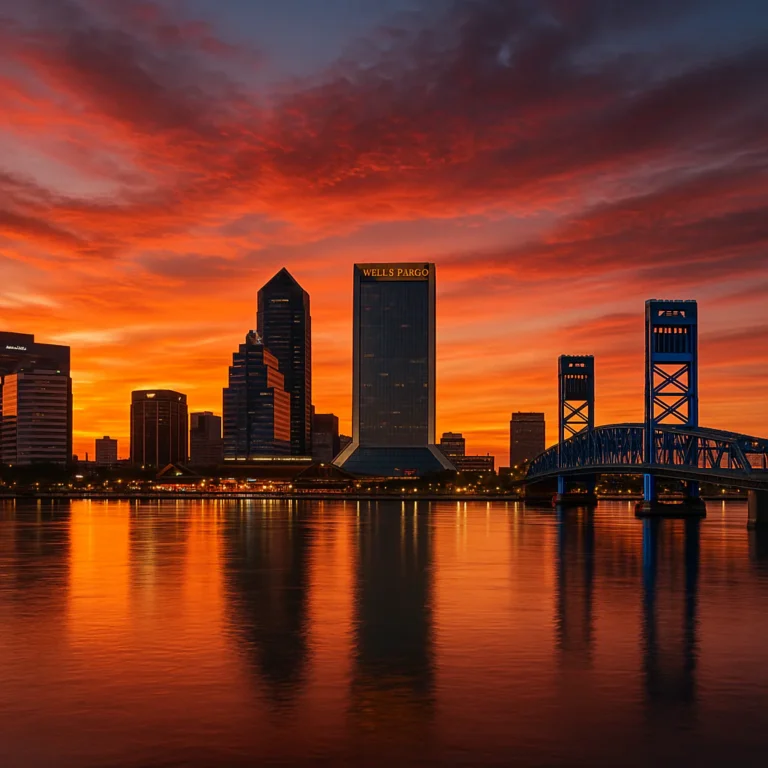
Jacksonville is the undisputed largest city in Florida by area, spanning a massive 874 square miles that dwarfs every other municipality in the state. While Miami packs more people into a tiny footprint, Jacksonville’s sheer geographic footprint makes it the biggest city by land in the contiguous United States.
This isn’t just a statistic; it’s a lifestyle choice that defines the entire region. Imagine driving from the Atlantic Ocean to the Georgia border and still technically being within the same city limits—that is the reality of living in the largest city in Florida by area.
Most people assume Miami or Orlando holds the title because of their global fame, but they are actually tiny specks compared to Jacksonville’s sprawling expanse. The secret lies in the 1968 consolidation, where the city and Duval County merged, instantly swallowing hundreds of square miles of rural land, forests, and beaches into one massive metropolis.
Key Takeaways
- Jacksonville reigns supreme as the largest city in Florida by area, covering 874 square miles (747 sq mi of land).
- Size matters differently here: Unlike dense Miami, Jacksonville offers low-density living with vast green spaces and rural pockets within city limits.
- The Consolidation Effect: The 1968 merger of city and county governments is the unique historical reason for this massive footprint.
- National Rank: Jacksonville isn’t just the biggest in Florida; it is the largest city by area in the contiguous United States.
Table of Contents
- ⚡️ Quick Tips and Facts
- 📜 From St. Johns to Sea: The History of Jacksonville’s Massive Land Grab
- 🏆 The Undisputed Champion: Why Jacksonville is the Largest City in Florida by Area
- 📊 Florida Cities by Land Area: The Top 10 Giants Ranked
- 🏙️ Jacksonville, FL: Inside the 874-Square-Mile Metropolis
- 🌊 Miami, FL: The Dense Powerhouse vs. The Sprawling Giant
- 🎢 Orlando, FL: How the Theme Park Capital Compares in Size
- 🌴 Tampa, FL: Hillsborough’s Largest City by Square Miles
- 🌅 St. Petersburg, FL: Pinellas County’s Coastal Expanse
- 🏡 Port St. Lucie, FL: The Fast-Growing Contender in Land Mass
- 🌊 Cape Coral, FL: The Canal Capital’s Surprising Footprint
- 🏛️ Hialeah, FL: Small Square Miles, Big Cultural Impact
- 🏛️ Tallahasee, FL: The Capital City’s Geographic Reach
- 🌊 Fort Lauderdale, FL: Broward’s Waterfront City Size Breakdown
- 📈 Florida’s Population Growth vs. Land Area: Why Size Doesn’t Always Mean More People
- 🚚 Moving to Florida Resources: Choosing a City Based on Space and Density
- 🗺️ Moving to Florida Guide®: Navigating the 874 Square Miles of Jacksonville
- 📡 Stay Connected: Internet and Infrastructure in Florida’s Largest Cities
- 🏙️ Discover Florida’s Most Popular Cities: Beyond the Square Mileage
- ❓ FAQ: Common Questions About Florida’s Largest Cities by Area
- 🔗 Recommended Links
- 📚 Reference Links
- 🏁 Conclusion
⚡️ Quick Tips and Facts
Before we dive into the sprawling reality of Florida’s geography, let’s hit the rewind button on some common misconceptions. You might think Miami is the big boss because of the skyline, or Orlando because of the crowds, but when it comes to raw land mass, those cities are just tiny islands in a sea of Jacksonville.
Here is the lowdown from the Jax Facts™ team:
- The Big One: Jacksonville is the undisputed largest city in Florida by area, covering a staggering 874 square miles.
- The Secret Sauce: This isn’t just a natural occurrence; it’s the result of the 1968 Consolidation, where the city and Duval County merged governments.
- Water vs. Land: About 13% of that massive footprint is water (rivers, creeks, and the Atlantic), leaving roughly 747 square miles of actual land.
- National Rank: Jacksonville isn’t just the biggest in Florida; it’s the largest city by area in the contiguous United States.
- Density Check: Because of this size, Jacksonville has a much lower population density than Miami or Tampa, meaning you can drive for miles and see nothing but pine trees and subdivisions.
If you’re wondering how a city can be this big without feeling like a metropolis, you’re asking the right question. We’ll unravel the mystery of the “consolidated city” later, but for now, just know that if you live in Jacksonville, you technically live in a city that is bigger than the entire state of Rhode Island (well, almost, but you get the point).
For a deeper dive into the specifics of this unique status, check out our breakdown on is jacksonville the biggest city land wise.
📜 From St. Johns to Sea: The History of Jacksonville’s Massive Land Grab

How did a city end up swallowing an entire county? It’s a story of politics, pragmatism, and a little bit of Florida sunshine-induced ambition.
The Pre-Consolidation Chaos
Before 1968, Jacksonville was just a city. A decent-sized city, sure, but it was hemed in by the boundaries of Duval County. Outside the city limits, you had unincorporated areas that were essentially “wild west” zones with no city services, no zoning laws, and a patchwork of county governance that was often inefficient.
Meanwhile, the city of Jacksonville was struggling with a shrinking tax base as people moved to the suburbs. The city wanted to grow, but the county wanted to keep its autonomy. It was a classic standoff.
The 1968 Consolidation
Enter the Jacksonville Consolidation. On October 1, 1968, voters in both the city and the county approved a referendum to merge the two governments into one. This wasn’t just a name change; it was a complete overhaul.
- The Result: The City of Jacksonville and Duval County became a single entity.
- The Impact: The city limits instantly expanded to include the entire county, adding hundreds of square miles of land overnight.
- The Legacy: This move made Jacksonville the largest city by area in the contiguous U.S., a title it still holds today.
“It is the largest city by total area, land and water, in the contiguous United States.” — Wikipedia
This consolidation is why you can drive from the beaches of Neptune Beach to the rural outskirts of Baldwin and still be within the “City of Jacksonville.” It’s a unique administrative beast that confuses newcomers and impresses geographers alike.
🏆 The Undisputed Champion: Why Jacksonville is the Largest City in Florida by Area
So, why does this matter to you? Why should a potential resident or a curious traveler care about square mileage?
The “Bigest” Myth vs. Reality
When people hear “largest city,” they often think of population. Miami has the density, Orlando has the tourists, and Tampa has the vibe. But in terms of geographic footprint, Jacksonville is in a league of its own.
- Comparison: Jacksonville is roughly 4 times larger than Miami by land area.
- The Trade-off: You get more space, more green areas, and a lower cost of living per square foot, but you also get longer commutes and fewer “walkable” neighborhoods compared to the dense urban cores of Miami or St. Pete.
The Consolidated Government Advantage
The reason Jacksonville is so big is the consolidated government. In most states, if a city wants to expand, it has to annex land piece by piece, often fighting with county commissioners. In Jacksonville, the city is the county.
This means:
- Unified Services: One police force, one fire department, one school board (mostly) for the whole area.
- Zoning Consistency: Regulations are generally consistent from the downtown core to the rural outskirts.
- Economic Leverage: The city can market itself as a massive, unified region for business development.
However, this system isn’t without its critics. Some argue it dilutes the voice of rural residents who feel overshadowed by the urban core. Others say it creates a bloated bureaucracy. But for the purpose of our topic—size—it’s the golden ticket.
📊 Florida Cities by Land Area: The Top 10 Giants Ranked
Let’s get down to brass tacks. We’ve ranked the top 10 largest cities in Florida by total area. You might be surprised to see some familiar names and some that you’d never guess.
| Rank | City | Total Area (sq mi) | Land Area (sq mi) | Water Area (sq mi) | Key Feature |
|---|---|---|---|---|---|
| 1 | Jacksonville | 874.46 | 747.30 | 127.16 | Consolidated City/County |
| 2 | Cape Coral | 120.1 | 103.6 | 16.5 | 40+ miles of canals |
| 3 | Port St. Lucie | 120.0 | 16.6 | 3.4 | Fast-growing Treasure Coast |
| 4 | Orlando | 19.1 | 10.8 | 8.3 | Theme Park Capital |
| 5 | Tampa | 175.7* | 13.8 | 61.9 | Hillsborough County Hub |
| 6 | St. Petersburg | 153.0* | 104.5 | 48.5 | Pinellas County “Sunshine City” |
| 7 | Miami | 56.0 | 35.6 | 20.4 | Global Cultural Hub |
| 8 | Fort Lauderdale | 38.6 | 34.8 | 3.8 | Venice of America |
| 9 | Hialeah | 21.5 | 21.3 | 0.2 | Cuban Heritage Hub |
| 10 | Tallahasee | 103.0 | 102.6 | 0.4 | State Capital |
Note: Tampa and St. Petersburg figures include significant water bodies within city limits, which inflates their total area compared to land-only metrics. However, even by total area, Jacksonville dwarfs them all.
Wait a minute! You might notice that Cape Coral and Port St. Lucie are surprisingly high on this list. How can a city with a fraction of Miami’s population be so big? The answer lies in sprawl. These cities were master-planned with massive lots and extensive canal systems, stretching their boundaries far and wide.
🏙️ Jacksonville, FL: Inside the 874-Square-Mile Metropolis
Let’s zoom in on the champion. What does it actually feel like to live in a city that is 874 square miles?
The “City” That Fels Like a State
Living in Jacksonville is like living in a state within a state. You have:
- Urban Core: Downtown, San Marco, and the Southbank, where you can walk to coffee shops and bars.
- Suburban Sprawl: Areas like Arlington, Mandarin, and Southside, which feel like typical American suburbs with big lawns and strip malls.
- Rural Outskirts: Places like Baldwin, Yule, and the far reaches of Duval County, where you might see cows grazing next to new housing developments.
The Commute Dilemma
One of the biggest challenges of Jacksonville’s size is the commute. Because the city is so vast, you can easily spend 45 minutes to an hour driving from one side of the city to the other.
- The Bridge Factor: Crossing the St. Johns River is a daily ritual for many. The Dames Point Bridge and Fuller Warren Bridge are lifelines, but they can get clogged during rush hour.
- Traffic Patterns: Unlike Miami, where traffic is gridlocked everywhere, Jacksonville traffic is often concentrated on specific arteries like I-95, I-295, and the Beaches Expressway.
The Green Space Bonus
On the flip side, Jacksonville boasts the largest urban park system in the U.S. with over 80,0 acres of parks.
- Timucuan Ecological and Historic Preserve: A massive 46,0-acre preserve that feels like the wilds of the Everglades but is technically part of the city.
- Kingsley Plantation: A historic site that offers a glimpse into the past, surrounded by nature.
🌊 Miami, FL: The Dense Powerhouse vs. The Sprawling Giant
If Jacksonville is the sprawling giant, Miami is the dense powerhouse.
The Contrast
- Size: Miami is only 56 square miles total. That’s less than 7% of Jacksonville’s size.
- Density: Miami packs over 450,0 people into that small space. The population density is sky-high, with high-rises and tight streets.
- Lifestyle: Miami is about walkability, nightlife, and cultural diversity. You can live your whole life in Miami without ever needing a car (though traffic is still a nightmare).
Why the Difference?
Miami never consolidated with Miami-Dade County. It remained a distinct city surrounded by other incorporated towns (like Hialeah, Coral Gables, and Miami Beach) and unincorporated areas. This fragmentation keeps Miami’s footprint small but its influence massive.
“Miami is the busiest cruise ship port in the world and a global financial hub, but it’s tiny compared to the sprawl of Jacksonville.”
🎢 Orlando, FL: How the Theme Park Capital Compares in Size
Orlando is often thought of as a massive city, but geographically, it’s actually smaller than you think.
The Numbers
- Total Area: ~19 square miles.
- The Illusion: Orlando feels huge because of the theme parks (Disney, Universal, SeaWorld) which are technically outside the city limits in unincorporated Orange County or other municipalities.
- The Reality: The city of Orlando itself is a compact urban core surrounded by a sea of suburbs and theme park land.
The Growth Factor
Orlando is growing fast, but it’s constrained by its geography. It’s surrounded by lakes and other municipalities, making it harder to expand its boundaries compared to Jacksonville’s open county consolidation.
🌴 Tampa, FL: Hillsborough’s Largest City by Square Miles
Tampa is a major player, but it’s still a fraction of Jacksonville’s size.
The Water Factor
Tampa’s total area is inflated by Tampa Bay. A significant portion of the city’s “area” is actually water.
- Land Area: ~13 square miles.
- Water Area: ~62 square miles.
- Comparison: Even with the water, Tampa is less than 1/7th the size of Jacksonville.
The Vibe
Tampa offers a great balance of urban and coastal living. It’s more compact than Jacksonville but has a vibrant downtown and a strong sense of community.
🌅 St. Petersburg, FL: Pinellas County’s Coastal Expanse
St. Petersburg, or “St. Pete,” is known for its sunshine and beaches.
The Shape
St. Pete is a long, narrow city stretching along the coast.
- Total Area: ~153 square miles.
- Land Area: ~104 square miles.
- Water Area: ~48 square miles.
The Density
Like Tampa, St. Pete is dense and walkable in many areas. It’s a great place for retirees and young professionals who want a beach lifestyle without the massive sprawl of Jacksonville.
🏡 Port St. Lucie, FL: The Fast-Growing Contender in Land Mass
Port St. Lucie is a fascinating case study in planned growth.
The Expansion
- Total Area: ~120 square miles.
- Growth: It’s one of the fastest-growing cities in the U.S., driven by people moving from the north and the northeast.
- Layout: The city is designed with wide boulevards and large lots, giving it a spacious feel despite its size.
The Trade-off
While it’s big, it lacks the urban core of Jacksonville or the cultural density of Miami. It’s a bedroom community with a lot of potential, but it’s still finding its identity.
🌊 Cape Coral, FL: The Canal Capital’s Surprising Footprint
Cape Coral is the second-largest city in Florida by area, and it’s almost entirely man-made.
The Canals
- Total Area: ~120 square miles.
- Waterways: Over 40 miles of canals, more than any other city in the world.
- Layout: The city is a grid of canals and streets, designed for boating and waterfront living.
The Unique Lifestyle
Living in Cape Coral is like living on a boat. Most homes have direct water access. It’s a paradise for boaters but can feel isolated for those who prefer a walkable city center.
🏛️ Hialeah, FL: Small Square Miles, Big Cultural Impact
Hialeah is a reminder that size doesn’t equal influence.
The Stats
- Total Area: ~21.5 square miles.
- Population: Over 20,0 people.
- Density: One of the most densely populated cities in the U.S.
The Culture
Hialeah is the heart of the Cuban-American community in Miami. It’s a vibrant, bustling city with a rich cultural heritage, despite its small footprint.
🏛️ Tallahase, FL: The Capital City’s Geographic Reach
Tallahasee is the state capital and a surprising contender in size.
The Reach
- Total Area: ~103 square miles.
- Why so big? The city annexed a lot of surrounding land to accommodate the state government and universities (FSU, FAMU).
- The Vibe: It’s a college town with a mix of urban and rural areas, thanks to its size.
🌊 Fort Lauderdale, FL: Broward’s Waterfront City Size Breakdown
Fort Lauderdale is known as the “Venice of America” for its canals.
The Size
- Total Area: ~38.6 square miles.
- Water: A significant portion is water, but it’s still much smaller than Jacksonville.
- Lifestyle: A mix of beach life, boating, and urban living.
📈 Florida’s Population Growth vs. Land Area: Why Size Doesn’t Always Mean More People
This is the big question: Why is Jacksonville the biggest by area but not the most dense?
The Consolidation Effect
Because Jacksonville absorbed the entire county, it includes vast rural areas, forests, and undeveloped land. This dilutes the population density.
- Jacksonville Density: ~1,270 people per sq mi.
- Miami Density: ~12,0+ people per sq mi.
The Growth Trends
While Jacksonville is growing, it’s growing slower than some other Florida cities. The housing market in Jacksonville has been criticized for being slow to grow, but the economy is strong due to logistics and the port.
🚚 Moving to Florida Resources: Choosing a City Based on Space and Density
If you’re moving to Florida, your choice of city depends on what you value:
- Space and Privacy: Choose Jacksonville or Cape Coral.
- Walkability and Culture: Choose Miami or St. Pete.
- Theme Parks and Family Fun: Choose Orlando.
- Beach Life and Boating: Choose Fort Lauderdale or Port St. Lucie.
🗺️ Moving to Florida Guide®: Navigating the 874 Square Miles of Jacksonville
Moving to Jacksonville requires a different strategy than moving to other Florida cities.
- Location, Location, Location: Where you live in Jacksonville matters more than in other cities. A 30-minute drive can take you from a beach town to a rural farm.
- Transportation: You need a car. Public transportation is limited, and the city is too spread out to rely on walking or biking for most trips.
- Neighborhoods: Research neighborhoods carefully. Some areas are booming, while others are still developing.
📡 Stay Connected: Internet and Infrastructure in Florida’s Largest Cities
Infrastructure is key in a city as big as Jacksonville.
- Internet: Most areas have high-speed fiber and cable options.
- Roads: The road network is extensive but can be congested.
- Utilities: Water and electricity are generally reliable, but hurricanes can cause outages.
🏙️ Discover Florida’s Most Popular Cities: Beyond the Square Mileage
While Jacksonville is the biggest by area, the “best” city depends on your lifestyle.
- For Nightlife: Miami.
- For Families: Orlando or Tampa.
- For Retires: St. Pete or Port St. Lucie.
- For Budget-Conscious: Jacksonville.
❓ FAQ: Common Questions About Florida’s Largest Cities by Area

What is the largest city by area in the United States?
Jacksonville, Florida is the largest city by total area in the contiguous United States. It covers 874 square miles, surpassing cities like Houston and Phoenix.
Read more about “🏆 The Real Largest U.S. City by Land: It’s Not NYC! (2026)”
What is the largest city in Florida by metro population?
Miami has the largest metropolitan area population in Florida, with over 6 million people in the metro area. Jacksonville is the largest by city proper population and area.
Read more about “🤯 How Big Is Orlando? The Shocking Truth About Size (2026)”
What city has the most land in Florida?
Jacksonville has the most land in Florida, with 747 square miles of land area.
Read more about “🏙️ When Did Jacksonville Become the Bold City? (The 1968 Truth)”
What is the largest city in Florida area wise?
Jacksonville is the largest city in Florida by area, both in total and land area.
Read more about “🏆 What is the Largest City in Florida Land Wise? (2026)”
What is the second largest city in Florida by area?
Cape Coral is the second largest city in Florida by area, with approximately 120 square miles.
Read more about “🏆 Is Jacksonville the Largest City in Florida? (2026)”
How does Jacksonville’s land area compare to other major US cities?
Jacksonville is significantly larger than other major US cities. For example, it is larger than San Antonio, San Diego, and Dallas by total area.
Read more about “🌍 Jacksonville Size Comparison: Bigger Than Rhode Island? (2026)”
Why is Jacksonville the largest city by area in Florida?
Jacksonville is the largest because of the 1968 consolidation of the city and Duval County, which merged their governments and expanded the city limits to cover the entire county.
Read more about “🏆 Is Miami or Jacksonville Bigger? The 2026 Truth Revealed”
Does Jacksonville’s large area include water or only land?
Yes, Jacksonville’s large area includes both land and water. About 13% of the total area is water, including rivers, creeks, and the Atlantic Ocean.
Read more about “🌴 What is Jacksonville Florida Noted For? 15 Surprising Facts (2026)”
How does the population density of Jacksonville compare to Miami?
Jacksonville has a much lower population density than Miami. While Jacksonville has a larger total population, it is spread out over a much larger area, resulting in fewer people per square mile.
Read more about “Why Is Jacksonville the Largest City in the US? 🌆 (2026)”
Is Jacksonville the only consolidated city in Florida?
No, there are other consolidated cities in Florida, such as Miami-Dade County (though it functions differently) and Volusia County (which has a consolidated government with Daytona Beach). However, Jacksonville is the most prominent example of a city that absorbed an entire county.
Read more about “🏙️ What is the Nickname for Jacksonville, FL? The Jax Truth (2026)”
🔗 Recommended Links
If you’re looking to move to Florida or just want to explore the state, here are some resources:
- Moving to Florida Guide®: Moving to Florida Guide
- Jacksonville Tourism: Visit Jacksonville
- Florida Department of Transportation: FDOT
- Florida Real Estate: Zillow Florida
📚 Reference Links
- U.S. Census Bureau: Florida Cities by Population
- World Population Review: Florida Cities by Population 2026
- Wikipedia: Jacksonville, Florida
- Moving to Florida Guide: Top 10 Largest Florida Cities by Population
🏁 Conclusion

So, there you have it. Jacksonville is the undisputed champion of Florida when it comes to land area, a title it earned through the bold move of consolidating with Duval County in 1968. While it may not have the density of Miami or theme park magic of Orlando, it offers something unique: space.
If you’re looking for a city where you can drive for miles and still be within the city limits, where you can have a backyard that feels like a forest, and where the cost of living is more manageable, Jacksonville is the place for you. But if you prefer the hustle and bustle of a dense urban core, you might want to look elsewhere.
The question isn’t just “which city is the biggest?” but “which city is the biggest for you?” Whether you choose the sprawling expanse of Jacksonville or the compact charm of Miami, Florida has a city that fits your lifestyle.
Final Verdict: If you value space and affordability, Jacksonville is your best bet. If you value density and culture, look to Miami or Orlando. The choice is yours!