Support our educational content for free when you purchase through links on our site. Learn more
🏆 25 Top Attractions to Visit in Jacksonville, Florida

What are the top attractions to visit in Jacksonville, Florida? Start with the Cummer Museum & Gardens, Jacksonville Zoo and Botanical Gardens, Jacksonville’s Atlantic beaches, and the Timucuan Ecological and Historic Preserve. Together, they show off the city’s best mix of art, wildlife, salt air, and history.
Jacksonville is famously sprawling, so a little neighborhood planning goes a long way. We locals recommend choosing one area at a time: explore Riverside and downtown for museums and river views, then save a separate day for the Beaches or Northside parks.
The surprise for many visitors is just how wild the city can feel. Within the same trip, you can stroll a landscaped garden beside the St. Johns River, wander a windswept shoreline, and find weathered trees scattered across Big Talbot Island’s Boneyard Beach. Just bring comfortable shoes—and don’t expect every map pin to be a five-minute drive away.
Key Takeaways
- Best all-around attractions: Cummer Museum & Gardens, Jacksonville Zoo and Botanical Gardens, MOSH, and the Timucuan Ecological and Historic Preserve.
- For beaches and outdoor adventures: Visit Jacksonville Beach, Hanna Park, Little Talbot Island, or Boneyard Beach.
- For local culture: Browse Riverside Arts Market, explore Riverside and Avondale, or catch a show at the Florida Theatre.
- Plan by area: Jacksonville is spread out; group nearby attractions to spend less time driving and more time exploring.
- Check before you go: Confirm current hours, access, weather, and event details with official attraction and park websites.
Table of Contents
- ⚡️ Quick Tips and Facts for Visiting Jacksonville
- 🌴 Jacksonville’s History, Geography, and Coastal Character
- 🏆 Top Attractions to Visit in Jacksonville, Florida
- 1. Cummer Museum of Art & Gardens
- 2. Jacksonville Zoo and Botanical Gardens
- 3. Museum of Science & History (MOSH)
- 4. Timucuan Ecological and Historic Preserve
- 5. Fort Caroline National Memorial
- 6. Kingsley Plantation
- 7. Kathryn Abbey Hanna Park
- 8. Little Talbot Island State Park
- 9. Big Talbot Island State Park and Boneyard Beach
- 10. Jacksonville Beach and the Beaches Town Center
- 11. Friendship Fountain and the Southbank Riverwalk
- 12. Riverside Arts Market
- 13. Riverside and Avondale Historic Districts
- 14. The Florida Theatre
- 15. Caty Shack Ranch Wildlife Sanctuary
- 16. Jacksonville Arboretum & Botanical Gardens
- 17. Tree Hill Nature Center
- 18. Fort George Island Cultural State Park
- 19. Jacksonville-Baldwin Rail Trail
- 20. Jacksonville Riverwalk and downtown waterfront
- 21. Jacksonville’s public art and murals
- 22. EverBank Stadium and Jacksonville Jaguars games
- 23. St. Johns Town Center
- 24. Beaches Museum
- 25. Jacksonville’s fishing, boating, and river cruises
- 🎨 Best Museums, Arts, and Cultural Experiences
- 🏖️ Best Beaches, Parks, and Outdoor Activities
- 🧭 Jacksonville Neighborhoods and Nearby Attractions
- Downtown and the St. Johns River
- Riverside, Avondale, and Murray Hill
- The Jacksonville Beaches
- Northside, Fort George Island, and the Timucuan Preserve
- 📅 Best Time to Visit Jacksonville’s Attractions
- 🚗 Getting Around Jacksonville and Parking Tips
- 🗺️ How to Plan a Jacksonville Sightseeing Itinerary
- One-day Jacksonville itinerary
- A weekend in Jacksonville
- Three days of Jacksonville beaches, history, and nature
- 👨 👩 👧 Jacksonville Attractions for Families and Kids
- ♿ Accessibility, Weather, and Visitor Essentials
- 💡 Local Tips for Making the Most of a Jacksonville Visit
- Conclusion
- Recommended Links
- FAQ
- What is Jacksonville, Florida, best known for?
- What are the must-see attractions in Jacksonville?
- Are there free things to do in Jacksonville?
- How many days do you need to visit Jacksonville?
- Is Jacksonville worth visiting for a beach vacation?
- What can you do in Jacksonville on a rainy day?
- Do you need a car to visit Jacksonville’s attractions?
- Reference Links
⚡️ Quick Tips and Facts for Visiting Jacksonville
If you’re wondering what Jax is known for, start with the big picture: Jacksonville is a sprawling river-and-coast city, not a compact beach town. It pairs Atlantic beaches and miles of waterways with museums, historic neighborhoods, wildlife areas, and a proper Southern food scene. For more local context, browse our guides to Jacksonville facts and Jacksonville beaches.
| Quick fact | What it means for your visit |
|---|---|
| Jacksonville covers a huge area | Group attractions by neighborhood; a beach morning and a downtown museum afternoon may mean a lot of driving. |
| It has both oceanfront and riverfront attractions | Pack for surf, shaded trails, and breezy waterfront walks—not just one kind of Florida day. |
| The city’s parks and preserves are a major draw | Nature lovers can choose beaches, maritime forests, wetlands, trails, and paddling routes. |
| Many attractions have separate schedules or access rules | Check official hours, closures, event calendars, and accessibility details before leaving. |
| Weather can change quickly | Bring water, sun protection, and a rain layer, especially in summer. |
| A car is useful for most itineraries | Downtown is more walkable than the city as a whole; beaches, parks, and Northside sites are spread out. |
The short version: where should you go first?
- For art and a peaceful waterfront setting: Cummer Museum of Art & Gardens.
- For a full family day: Jacksonville Zoo and Botanical Gardens.
- For salt air and a classic beach walk: Jacksonville Beach or Hanna Park.
- For nature and local history: Timucuan Ecological and Historic Preserve.
- For a downtown stroll: Friendship Fountain and the Southbank Riverwalk.
- For a Saturday morning with snacks, makers, and music: Riverside Arts Market.
Local planning tip: Check official attraction websites on the day you visit. Exhibitions, trail access, ferry schedules, and event programming can change. The zoo’s visit-planning page, for example, is the best source for current hours and visitor information.
🌴 Jacksonville’s History, Geography, and Coastal Character

Jacksonville makes more sense once you picture its geography. The St. Johns River cuts through the city on its way north toward the Atlantic, while barrier islands and coastal communities stretch along the shoreline. That means Jax offers several distinct kinds of day out: a riverfront museum visit, a beach afternoon, a maritime forest hike, or a historic site tucked into the Northside.
The city’s story includes Indigenous communities, European colonial conflict, plantation history, port growth, military activity, and a long-running relationship with the river and ocean. At places such as Fort Caroline National Memorial and Kingsley Plantation, history is not a tidy, one-sided tale. It is best approached with curiosity and respect for the people whose lives shaped the region.
Jacksonville also has a distinctive combination of urban and wild spaces. The National Park Service’s Timucuan Ecological and Historic Preserve protects cultural sites and a varied coastal landscape, while city parks and waterfront paths make nature part of everyday life.
Visit Jacksonville describes the city as “the Flip Side of Florida,” a useful shorthand for a destination that isn’t built around a single theme-park corridor. The local appeal is more mix-and-match: beaches, live music, murals, gardens, fishing, historic districts, and Southern coastal cooking. That variety is also why a little planning pays off.
🏆 Top Attractions to Visit in Jacksonville, Florida
Jacksonville has more than enough attractions to fill a visit, but the best choices depend on what you want from your day. We’ve grouped these highlights by experience, with practical notes on what to expect and where to verify current details.
| Attraction | Best for | Area | Allow |
|---|---|---|---|
| Cummer Museum & Gardens | Art, gardens, river views | Riverside | Half day |
| Jacksonville Zoo and Botanical Gardens | Families, animal habitats | Northside | Half to full day |
| MOSH | Science and local history | Downtown Southbank | A few hours |
| Timucuan Preserve | Nature, history, outdoor exploring | Northside/coastal | Half day or more |
| Jacksonville Beach | Swimming, sunrise, pier | Beaches | A few hours or a full day |
| Riverside Arts Market | Local makers, food, live music | Riverside | A relaxed morning |
| Friendship Fountain and Riverwalk | Skyline views, waterfront stroll | Downtown/Southbank | One to two hours |
1. Cummer Museum of Art & Gardens
The Cummer Museum of Art & Gardens is one of Jacksonville’s most rewarding art-and-outdoors combinations. Inside, you’ll find collections spanning centuries and rotating exhibitions; outside, historic gardens step down toward the St. Johns River.
The museum began with the collection and home of civic leader Ninah Cummer, and it has grown into a cultural anchor for the city. A visitor can comfortably spend a couple of hours here, but garden enthusiasts may want longer to linger beneath mature trees and take in the river views.
Why we recommend it:
- It’s an easy choice for a cultured, unhuried afternoon.
- The gardens add a distinctly Jacksonville sense of place.
- It works well as a pairing with Riverside or Avondale.
Good to know: Check the museum’s hours, admission, and current exhibitions before setting out. Outdoor conditions matter here: after rain, some garden paths may be damp.
2. Jacksonville Zoo and Botanical Gardens
The Jacksonville Zoo and Botanical Gardens covers more than 100 acres, with animal habitats, gardens, and experiences designed to encourage close observation. The zoo highlights conservation work across more than 45 regional and global programs, and its plan-your-visit page shares current information on hours, amenities, and activities.
This is a strong pick for families, animal lovers, and anyone who wants a full day with plenty to see. The zoo’s habitats include favorites such as Range of the Jaguar; special animal encounters and feeding opportunities vary, so check the current schedule rather than promising the kids a giraffe snack before you’ve confirmed it.
Upsides
- A broad mix of wildlife, gardens, and family-friendly amenities.
- Enough variety to fill several hours.
- Conservation and animal care are part of the visitor experience.
Trade-off: It involves plenty of walking, much of it outdoors. Bring water and comfortable shoes, and plan for shade breaks.
3. Museum of Science & History (MOSH)
MOSH sits on the Southbank, close to the riverfront and downtown. Its exhibits connect science, regional history, and hands-on learning, making it a useful rainy-day option or a good stop for families curious about how Northeast Florida’s natural and human worlds fit together.
The museum’s offerings change, so look up current exhibitions and planetarium programming before your visit. Pair it with the Southbank Riverwalk or Friendship Fountain for a day that moves from indoor discovery to outdoor views.
4. Timucuan Ecological and Historic Preserve
The Timucuan Ecological and Historic Preserve is not one single attraction with a front gate. It’s a large protected area with natural and historic sites, including salt marsh, coastal forest, waterways, and places connected to Indigenous and colonial history.
That scale is part of the appeal—and the reason to plan. Choose one or two sites for a visit instead of trying to “do the whole preserve” in an afternoon. The National Park Service visitor information is the best place to check road access, site conditions, and seasonal updates.
Bring: Water, sun protection, insect repellent, and shoes suited to your chosen trail or site. Coastal beauty comes with coastal bugs; the mosquitoes did not read the brochure.
5. Fort Caroline National Memorial
Fort Caroline National Memorial interprets the short-lived French settlement established in the 16th century and the complex colonial history of the region. It is a worthwhile stop for visitors who want context beyond beaches and skyline photos.
The site sits within the broader Timucuan area, so it can be paired with nearby natural and historic stops. Read the interpretive material with the understanding that European colonial accounts often tell only part of the story; Indigenous communities were here long before the fort.
6. Kingsley Plantation
At Kingsley Plantation, visitors can explore a historic plantation landscape and learn about the people enslaved there, the plantation’s owners, and the broader history of slavery in Florida.
This is a sobering and important visit, not simply a picturesque old house. Give yourself time to read the interpretive information and reflect on the lives and labor behind the site. Check the National Park Service page for current access details and any building or grounds closures.
7. Kathryn Abbey Hanna Park
Hanna Park brings together a beach, wooded trails, a freshwater lake, and outdoor recreation on Jacksonville’s Atlantic side. It’s an especially handy option if your group can’t agree between “let’s go to the beach” and “let’s find some shade.”
The park is popular for swimming, biking, camping, and fishing. Conditions and access can vary, so check the city’s official park information before you go. For other coastal ideas, see our Jacksonville Beaches coverage.
8. Little Talbot Island State Park
Little Talbot Island State Park offers a quieter, more natural beach experience than the central Beaches communities. Expect a landscape shaped by wind, tide, dunes, and coastal vegetation rather than a row of shops behind the sand.
It’s a great choice for a beach walk, birdwatching, and a slower day outdoors. Bring what you need with you, follow park guidance, and check for current advisories before swimming or exploring.
9. Big Talbot Island State Park and Boneyard Beach
Big Talbot Island is famous for Boneyard Beach, where weathered tree skeletons lie across the shoreline like a sculpture garden assembled by the tides. The effect is dramatic, especially in soft morning or late-afternoon light.
The trees are fragile remnants, not climbing equipment or souvenirs. Stay mindful of tides and footing, and check Florida State Parks’ Big Talbot Island page for access information. The nearby tidal creks and coastal habitat also make this area appealing for paddling and wildlife watching.
10. Jacksonville Beach and the Beaches Town Center
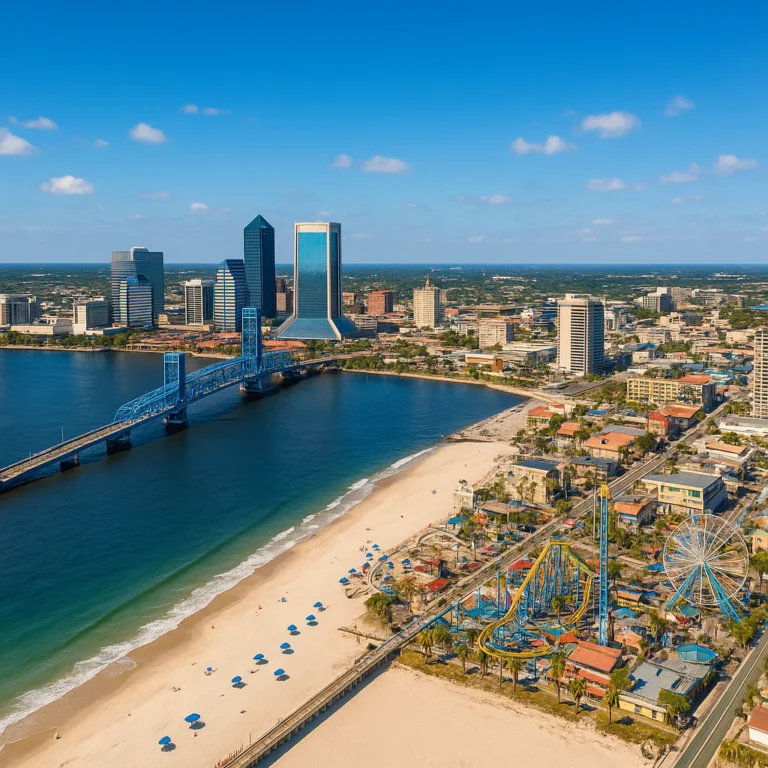
Jacksonville Beach is the classic “sand, sea, stroll” choice. The Jacksonville Beach Pier is a recognizable landmark for fishing and ocean views, while the surrounding beachfront offers room for a long walk or a beach towel afternoon.
For shops, restaurants, and an easy evening on foot, head toward the Beaches Town Center, where Atlantic Beach and Neptune Beach meet. The vibe shifts from relaxed daytime browsing to livelier dining later on.
Local approach: Check surf and beach conditions before swimming, obey posted flags, and don’t assume every beach access point has the same facilities.
11. Friendship Fountain and the Southbank Riverwalk
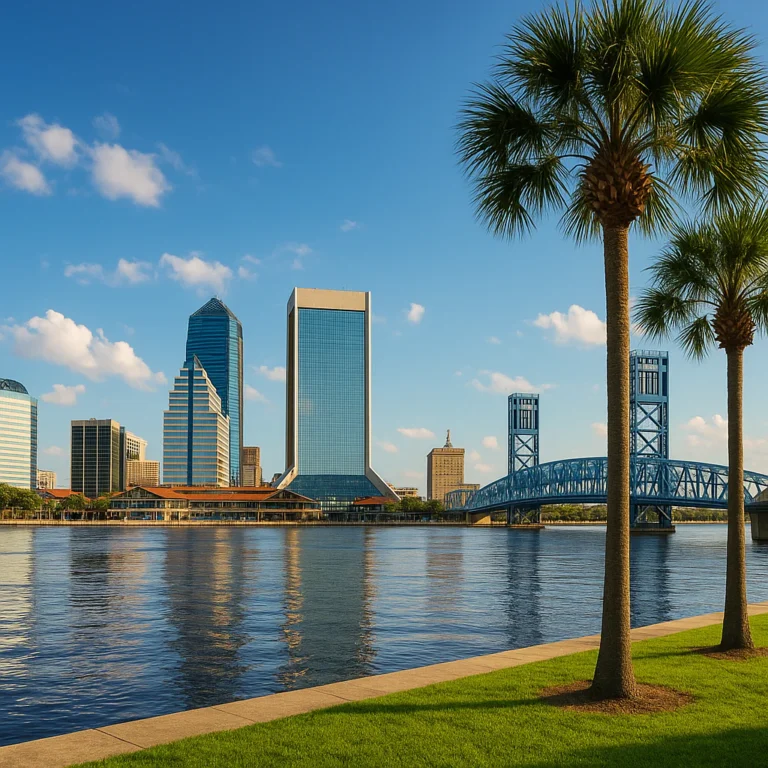
Friendship Fountain is a familiar downtown landmark on the Southbank. The fountain and its surrounding park make an easy stop for skyline views, photos, and a leg-stretch along the Southbank Riverwalk.
The riverwalk is a pleasant way to see the city from the water’s edge, but it’s worth checking current access and construction updates. If the fountain’s operating schedule or lighting features matter to your plans, verify them locally before you go.
One travel blogger described the Southbank Riverwalk as having “fantastic views of downtown.” That matches what we hear from visitors: it’s less about a huge attraction checklist and more about a surprisingly lovely stroll with the skyline doing the heavy lifting.
12. Riverside Arts Market
The Riverside Arts Market is a Saturday gathering beneath the Fuller Warren Bridge, with local makers, produce, food vendors, and often live entertainment. It’s a fun way to get a slice of Jacksonville’s creative community without needing a museum ticket or a complicated itinerary.
Arrive earlier for a more relaxed browse and easier parking. Bring a reusable tote if you plan to shop, and check the market’s calendar for current dates and vendor updates.
13. Riverside and Avondale Historic Districts
Riverside and Avondale are ideal for slow exploring: historic homes, leafy streets, independent shops, restaurants, and pockets of public art. This is a neighborhood visit, not a single-ticket attraction, so give yourself room to wander and choose a café or meal stop along the way.
For cultural context and local stories, browse Jacksonville Culture. Be respectful of residential streets and private property while admiring the architecture.
14. The Florida Theatre
The Florida Theatre is a historic downtown venue that hosts concerts, comedy, and other live performances. Its ornate interior makes the building part of the experience; the show calendar makes the visit.
Check the official schedule for performances during your stay, and plan parking and dinner around the event. A show night is a good way to experience downtown after the museums and office crowds have thinned.
15. Caty Shack Ranch Wildlife Sanctuary
Caty Shack Ranch Wildlife Sanctuary cares for rescued big cats and other animals. It offers scheduled tours and experiences that help visitors learn about the animals and the sanctuary’s work.
This is a specialized visit, so check tour availability, rules, and current operating information before you drive out. Choose a responsible wildlife facility that prioritizes animal welfare and education; never expect visitors to handle or pose with big cats.
16. Jacksonville Arboretum & Botanical Gardens
The Jacksonville Arboretum & Botanical Gardens is a leafy urban escape with walking paths, gardens, a central lake, and multiple trails. It’s a good fit for an easy outdoor outing that doesn’t require a long drive to the coast.
Visitors often praise the peaceful pond and well-kept paths. Trail conditions can differ after rain, so wear shoes you don’t mind getting dusty or damp. Check the arboretum’s official site for current access, events, and trail information.
17. Tree Hill Nature Center
Tree Hill Nature Center introduces visitors to local habitats and wildlife through nature trails and educational programming. It’s a more intimate alternative to a large zoo or sprawling preserve, especially for families looking for a shorter nature outing.
Review the current calendar before going, as programs and access can vary. For school-focused and learning-related local resources, see Jacksonville Education.
18. Fort George Island Cultural State Park
Fort George Island Cultural State Park brings history and coastal scenery together. The island’s stories include Indigenous heritage, colonial-era activity, plantation history, and later recreational use.
It pairs well with other Timucuan-area stops, but don’t underestimate the driving distances between sites. Check the park’s official page for current access and interpretive offerings.
19. Jacksonville-Baldwin Rail Trail
The Jacksonville-Baldwin Rail Trail follows a former rail corridor and is popular for walking, biking, and horseback riding. Its long, mostly level route makes it a practical choice for visitors who want an active outing away from the beach.
You don’t have to tackle the entire trail. Pick a suitable access point, set a turnaround time, and bring water. If cycling, use a helmet and follow posted trail etiquette.
20. Jacksonville Riverwalk and downtown waterfront
Jacksonville’s riverfront paths offer views of bridges, boats, and the skyline, with different stretches on the Northbank and Southbank. The city’s riverwalk information can help you check current locations and access.
A riverfront walk is an easy add-on to a downtown meal, museum visit, or event. It’s also a reminder that Jacksonville’s identity is tied to the river as much as to the ocean.
21. Jacksonville’s public art and murals
Jacksonville’s mural scene adds color to neighborhoods and downtown blocks. Murals are best enjoyed as part of a broader neighborhood wander rather than a frantic checklist; pair them with local cafés, shops, or a gallery visit.
For current cultural programming and local events, explore Visit Jacksonville and Jacksonville Culture. Murals can change, so recent maps and artist pages are more useful than an old photo roundup.
22. EverBank Stadium and Jacksonville Jaguars games
EverBank Stadium is home to the Jacksonville Jaguars and hosts other large events. On game day, the attraction is bigger than the match: tailgating, team colors, and a citywide buzz make it a full experience.
Check the Jaguars’ official schedule, stadium policies, bag rules, and transportation information before attending. If you’re planning around a major event, leave extra time for traffic and crowds. The video perspective featured in this article sums up the spirit neatly: “Come for the game, stay for the atmosphere.”
23. St. Johns Town Center
St. Johns Town Center is an open-air shopping and dining district with a wide selection of national brands and restaurants. It’s less a uniquely historic Jacksonville attraction and more a convenient stop for shopping, a meal, or a rainy-day change of plans.
Expect traffic at busy times, particularly weekends and holidays. If shopping isn’t your holiday hobby, you can skip it in favor of the city’s parks, beaches, and neighborhoods.
24. Beaches Museum
The Beaches Museum explores the history of Jacksonville’s coastal communities through exhibits and local stories. It’s a useful complement to a beach day, especially if you want to understand how the Beaches developed beyond the familiar surf-and-sand picture.
Check the museum’s schedule and current exhibits before visiting. Pair it with a walk or meal in the nearby Beaches communities.
25. Jacksonville’s fishing, boating, and river cruises
Water is not just scenery here; it’s part of how people spend their time. Jacksonville offers fishing, boating, paddling, and guided experiences on its rivers and coastal waterways. The Visit Jacksonville outdoor guide is a useful starting point for current operators and activity ideas.
Before booking:
- Check the route and duration. River, marsh, and offshore trips are very different outings.
- Confirm what’s supplied. Ask about equipment, safety gear, and weather cancellation policies.
- Match the activity to your group. A calm guided cruise may suit families better than a long open-water trip.
- Follow local safety guidance. Wear a life jacket when required and respect tides, currents, and weather alerts.
🎨 Best Museums, Arts, and Cultural Experiences
Jacksonville’s cultural attractions range from fine art and historic architecture to hands-on science, live performance, and neighborhood creativity.
| If you’re interested in… | Start with… | Why |
|---|---|---|
| Art and gardens | Cummer Museum & Gardens | Strong collection plus a distinctive riverfront setting |
| Science and local history | MOSH | Interactive learning and rotating exhibits |
| Live performances | Florida Theatre | A historic venue with a changing event calendar |
| Local makers | Riverside Arts Market | Art, food, and community in one Saturday outing |
| Regional history | Fort Caroline, Kingsley Plantation, Beaches Museum | Different perspectives on the area’s past |
Make a cultural day feel local
- Start at the Cummer, then explore Riverside or Avondale.
- Choose a current show at the Florida Theatre for an evening downtown.
- Add MOSH to a Southbank stroll.
- Browse the Riverside Arts Market on Saturday, then take time to meet the people behind the stalls.
Jacksonville’s cultural landscape is not confined to one museum district. That can be a perk: art often sits alongside neighborhood life, waterfront views, and independent food spots. For more local perspectives, see Jacksonville Culture.
🏖️ Best Beaches, Parks, and Outdoor Activities
The city’s outdoor menu includes classic sandy beaches, wooded park trails, marshland, riverwalks, and cycling routes. Visit Jacksonville highlights 22 miles of beaches alongside parks, trails, and fishing opportunities; the exact experience depends on which stretch of coast or waterway you choose.
| Outdoor mood | Good fit | What to expect |
|---|---|---|
| Social beach day | Jacksonville Beach | Pier, nearby dining, and a lively beachfront atmosphere |
| Shady recreation | Kathryn Abbey Hanna Park | Beach plus lake, trails, and wooded areas |
| Natural shoreline | Little Talbot Island | Less built-up beach scenery |
| Dramatic coastal photos | Big Talbot Island | Driftwood and sculptural shoreline at Boneyard Beach |
| Easy urban walk | Southbank Riverwalk | Downtown and river views |
| Longer active outing | Jacksonville-Baldwin Rail Trail | Walking, biking, and horseback-riding options |
Outdoor safety and comfort checklist
- Check local beach advisories and surf conditions before swimming.
- Carry water, sunscreen, and a hat—even on a breezy day.
- Use insect repellent on marsh, wooded, and shaded trails.
- Check tide and access conditions at coastal sites.
- Stay on marked paths and leave plants, shells, and driftwood where they are.
- Look up park rules for dogs, fires, bikes, and fishing.
A useful perspective from a featured travel video describes Jacksonville as a relaxed alternative to Florida’s busiest tourist corridors, with beach time, riverside parks, and local flavor all in the mix. That rings true—but “relaxed” does not mean “everything is five minutes away.” Choose an outdoor area for the day and enjoy it properly.
🧭 Jacksonville Neighborhoods and Nearby Attractions
Jacksonville’s neighborhoods have distinct personalities. Picking a home base near the experience you want can save you a surprising amount of windshield time.
Downtown and the St. Johns River
Downtown is the easiest base for riverfront walks, MOSH, the Florida Theatre, and stadium events. It’s also a useful jumping-off point for crossing to the Southbank or heading west to Riverside.
Best for: First-time visitors who want central access, event-goers, and travelers mixing museums with river views.
Riverside, Avondale, and Murray Hill
These neighborhoods are popular for historic architecture, independent businesses, restaurants, and creative energy. Riverside Arts Market and the Cummer Museum make natural anchors for a day in the area.
Best for: Neighborhood wandering, brunch, galleries, and a less tourist-strip kind of Jacksonville.
The Jacksonville Beaches
Jacksonville Beach, Neptune Beach, and Atlantic Beach each offer coastal access, dining, and local shops. Beaches Town Center is especially convenient for a walkable meal-and-browse outing.
Best for: Ocean time, surfing, fishing, sunrise walks, and a beach-oriented stay. Find more ideas in our Jacksonville Beaches guide.
Northside, Fort George Island, and the Timucuan Preserve
This area connects visitors with the zoo, coastal parks, historic sites, and nature preserves. It is scenic and rewarding, but attractions are spread out, so map your stops before setting off.
Best for: Wildlife, outdoor exploration, and layered local history.
📅 Best Time to Visit Jacksonville’s Attractions
Jacksonville is a year-round destination, but the best time depends on whether you’re aiming for the beach, outdoor walking, or indoor attractions.
| Season | What to expect | Planning advice |
|---|---|---|
| Spring | Pleasant outdoor weather and a busy events calendar | Reserve ahead for popular events; bring a light layer |
| Summer | Hot, humid conditions and frequent afternoon storms | Plan outdoor time early; keep indoor backups |
| Fall | Warm days and a more relaxed shoulder season | Check storm forecasts and event schedules |
| Winter | Milder weather, cooler evenings, and fewer beach crowds | Pack layers; confirm seasonal attraction hours |
Florida weather does not always follow the neat table, of course. Before outdoor plans, check the National Weather Service Jacksonville forecast and any official park alerts. For the beach, look up current water and surf conditions rather than relying on a sunny sky alone.
🚗 Getting Around Jacksonville and Parking Tips
Jacksonville is geographically large, and many attractions are separated by river crossings, highways, or long stretches of city streets. A car makes it easier to connect the Beaches, downtown, and the Northside; downtown itself is more manageable on foot once you’ve parked.
A practical transport plan
- Group nearby attractions. Combine Riverside and the Cummer, or pair the zoo with Northside nature sites.
- Check bridge and traffic conditions. Event days can change downtown travel times.
- Use official parking details. Museums, parks, beaches, and stadiums may have different rules.
- Allow extra time for popular beach access points. A short map distance can become a slow parking search on a sunny weekend.
- Consider rideshare for event nights. It can be simpler than moving a car after a show or game.
A travel blogger reported using hospital parking to reach the Southbank Riverwalk, with directions from staff helping them find the route. Treat that as one traveler’s anecdote, not a general parking recommendation: use designated public parking, follow posted rules, and don’t occupy spaces reserved for patients or hospital visitors.
🗺️ How to Plan a Jacksonville Sightseeing Itinerary
Jacksonville rewards a “one area at a time” approach. Here are sample outlines you can adjust to your interests, weather, and energy level.
One-day Jacksonville itinerary
Morning: Visit the Cummer Museum & Gardens, then enjoy a Riverside coffee or lunch.
Afternoon: Head downtown for MOSH or a Southbank Riverwalk stroll.
Evening: Catch a performance at the Florida Theatre or have dinner with river or skyline views.
This version emphasizes culture and the river. Swap the museum for Jacksonville Beach if your priority is the Atlantic.
A weekend in Jacksonville
Day one: Riverside and downtown
- Cummer Museum & Gardens
- Riverside neighborhood wander
- MOSH or the Southbank Riverwalk
- Florida Theatre show, if one fits your dates
Day two: Choose coast or nature
- Beach-first: Jacksonville Beach and Beaches Town Center
- Nature-first: Zoo, then a Northside park or preserve stop
Trying to squeeze the Beaches, downtown, and multiple Northside historic sites into a single day is possible in the technical sense, like eating a whole birthday cake alone is possible. We wouldn’t recommend it.
Three days of Jacksonville beaches, history, and nature
Day one: Art and city life
- Cummer Museum & Gardens
- Riverside and Avondale
- Riverside Arts Market if it’s Saturday
Day two: Beaches
- Morning at Jacksonville Beach or Hanna Park
- Lunch and a stroll around Beaches Town Center
- Sunset walk, weather permitting
Day three: Northside history and nature
- Choose Fort Caroline or Kingsley Plantation
- Add a Timucuan-area trail or island park
- Leave enough time for the drive and site interpretation
For more local background as you plan, explore Jacksonville Facts and Jacksonville Demographics.
👨 👩 👧 Jacksonville Attractions for Families and Kids
Jacksonville works well for families because it offers a mix of high-energy outings and lower-key options. The trick is choosing attractions that suit your kids’ ages and your tolerance for heat, walking, and snack negotiations.
| Attraction | Why families like it | Keep in mind |
|---|---|---|
| Jacksonville Zoo and Botanical Gardens | Animals, gardens, and a full-day format | Lots of walking; plan shade and water breaks |
| MOSH | Hands-on exhibits and learning | Check current exhibits and programming |
| Hanna Park | Beach, lake, and outdoor recreation | Outdoor conditions and park rules vary |
| Tree Hill Nature Center | Nature-focused exploration | Confirm program and access details |
| Jacksonville Beach Pier | Ocean views and a clear landmark | Follow fishing and beach safety rules |
Family planning tips
- Check stroller, accessibility, and bag policies before arriving.
- Build in downtime after a major outdoor attraction.
- Bring spare clothes for beach or splash-friendly outings.
- Pick one main activity per half-day rather than racing between distant sites.
- For wildlife attractions, explain in advance that animals are there to be observed, not touched unless staff explicitly offer a supervised activity.
The zoo’s conservation message is a useful conversation starter with kids: animal visit can become a lesson about habitat, care, and the work behind conservation. For current visitor information, go straight to the official zoo planning page.
♿ Accessibility, Weather, and Visitor Essentials
Before you go, check the official site for each attraction’s accessibility details, service-animal policy, sensory accommodations, parking, and route conditions. Historic sites, beaches, gardens, and trails can have very different surfaces and facilities.
A simple pre-visit checklist
- Accessibility: Confirm accessible entrances, restrooms, paths, and parking directly with the venue.
- Weather: Check the forecast and bring a rain layer during warmer months.
- Sun and heat: Carry water, sunscreen, and a hat; schedule outdoor walking earlier in the day.
- Insects: Use repellent near marshes, wooded trails, and shaded parks.
- Changing conditions: Verify closures, construction, special events, and operating hours.
- Comfort: Wear walking shoes; Jacksonville attractions can involve more distance than their map pins suggest.
For official forecasts, use the National Weather Service Jacksonville. For park-specific rules and closures, consult Jacksonville Parks and Recreation or the relevant state and national park pages.
💡 Local Tips for Making the Most of a Jacksonville Visit
A few choices can turn a Jacksonville trip from “we saw some places” into a visit that feels connected to the city.
- Don’t plan by map pins alone. River crossings and sprawling neighborhoods can make short-looking trips take longer.
- Balance signature stops with local wandering. The zoo and beach are great; a market morning or historic neighborhood stroll adds texture.
- Give the water different roles. The Atlantic is for beach time; the St. Johns is for skyline views, riverwalks, and boating.
- Respect the history. Plantation and colonial sites deserve time and thoughtful attention, not a quick photo stop.
- Keep a weather backup. MOSH, museums, shops, and a live performance can rescue a rainy afternoon.
- Ask what’s happening locally. Markets, games, concerts, and community events can make familiar locations feel entirely different.
- Choose fewer stops. Jacksonville is better enjoyed at a humane pace than conquered like a theme park with a stopwatch.
One featured video sums up the city’s easygoing mood with “Jax has that easygoing vibe that just works.” Its list—from Jacksonville Beach and Riverside Arts Market to the Riverwalk, MOSH, the zoo, and Big Talbot Island—captures a useful truth: Jacksonville is at its best when you mix one or two headline attractions with time to slow down.