Support our educational content for free when you purchase through links on our site. Learn more
🌊 How the St. Johns River Named Cowford & Jacksonville (2026)

The St. Johns River dictated Jacksonville’s very existence by creating a narrow, shallow crossing point that cattle herders used daily, earning the spot the practical name “Cowford” before political forces renamed it “Jacksonville” in 182 to honor Andrew Jackson. This unique geographic bottleneck is the sole reason What role did the St Johns River play in the naming of Cowford and later Jacksonville has such a definitive answer: the river didn’t just influence the name; it physically created the location that demanded one.
Imagine a herd of longhorns wading through the cool, brackish water at low tide, the only safe path for miles between the east and west banks. That simple, muddy necessity birthed a settlement that would eventually become a major metropolis.
It’s wild to think that without that specific 60-yard narrowing of the river, our city might have been called something entirely different, or perhaps never existed at all. The river’s northward flow and tidal rhythms turned a cattle crossing into a strategic military and trade hub, forcing the government to formalize the name.
Key Takeaways
- Geography is Destiny: The river’s natural narrowing created the only viable cattle crossing (ford) for miles, directly inspiring the name “Cowford.”
- Political Renaming: The transition to Jacksonville in 182 was a political move by the new U.S. territorial government to honor Andrew Jackson, replacing the rustic “Cowford.”
- Strategic Hub: The river’s unique northward flow and tidal nature made this specific spot a critical choke point for trade and military movement, cementing its importance.
- Enduring Legacy: The river continues to define the city’s layout and economy, proving that the original geography still shapes modern Jacksonville.
Table of Contents
- ⚡️ Quick Tips and Facts
- 🌊 The Mighty St. Johns: Florida’s River That Flows North
- 🐄 From Cowford to Jacksonville: The Evolution of a Name
- 1. Why Was It Originally Called Cowford?
- 2. The Strategic Importance of the River Crossing
- 3. Andrew Jackson’s Arrival and the Renaming
- 4. How the St. Johns River Shaped Early Settlement Patterns
- 🗺️ Mapping the Mud: Geography and the Narrowing of the River
- 🚢 Steamboats, Trade, and the Economic Boom of the 19th Century
- 🏛️ The Civil War Era: Union Occupation and the Battle of Jacksonville
- 📰 Local Legends vs. Historical Records: Separating Fact from Folklore
- 🏙️ Modern Jacksonville: How the River Still Defines Our City
- 💡 Quick Tips for Exploring the St. Johns River Today
- 📚 Recommended Links for History Buffs
- ❓ Frequently Asked Questions About Cowford and Jacksonville
- 🔗 Reference Links and Primary Sources
⚡️ Quick Tips and Facts
Before we dive into the muddy, fascinating history of how a river crossing for cattle became a major metropolis, let’s hit the highlights. If you’re a local, you probably know these, but if you’re new to the First Coast, here’s the cheat sheet you need to sound like you’ve lived here since the Spanish arrived.
| Fact | The Gist |
|---|---|
| The River’s Direction | The St. Johns is one of the very few major rivers in the US that flows North. Yes, really! 🌊 |
| The Name “Cowford” | It wasn’t named after a cow who loved fashion. It was a literal ford (shallow crossing) where cattle were driven across the river. 🐄 |
| The Renaming | The name changed from Cowford to Jacksonville in 182, honoring Andrew Jackson. |
| The Width | At the original Cowford crossing, the river was narrow enough to walk across at low tide, but wide enough to stop traffic (and cattle). |
| The “First” Video | We’ll get to a tragic but vital lesson about the river’s power later in this article (see the #featured-video section). |
For a deeper dive into the specific etymology, check out our dedicated breakdown on why was jacksonville called cowford. It’s a story of geography, economics, and a little bit of bovine logistics.
🌊 The Mighty St. Johns: Florida’s River That Flows North
You can’t talk about Jacksonville without talking about the St. Johns River. It’s the backbone of our city, the reason we exist, and frankly, the reason we have such a weirdly beautiful geography.
Most rivers in the US flow south, following gravity toward the equator. The St. Johns? It’s the rebel. It flows north from its headwaters near Melbourne all the way to the Atlantic Ocean in Jacksonville. This unique characteristic created a massive, slow-moving waterway that acted as a natural highway for centuries before we even thought about paving roads.
Why the Northward Flow Matters
The slow current and the river’s path created a massive estuary system. This meant the water was brackish (a mix of fresh and salt), supporting a diverse ecosystem that attracted everything from alligators to early explorers.
- Navigation: Because it flows north, early steamboats could ride the current down to the ocean and then fight the current (or use the tides) to get back up.
- Climate: The river acts as a massive heat sink, moderating our temperatures. It keeps the winters milder and the summers slightly less oppressive than inland Florida.
- The “River of Lakes”: For the first 10 miles, the St. Johns is actually a chain of lakes connected by narrow channels. It’s less of a river and more of a liquid highway of lakes.
Fun Fact: The St. Johns River is the longest river in Florida, stretching over 310 miles. It’s also the slowest major river in the US, with an average drop of only 1 foot per mile!
If you want to explore the river’s ecosystem today, you can’t go wrong with a trip to the St. Johns River Water Management District. They do incredible work protecting our waterways. You can learn more about their conservation efforts on their official website.
🐄 From Cowford to Jacksonville: The Evolution of a Name
So, how did we get from “Cowford” to “Jacksonville”? It’s a story of geography meeting politics.
1. Why Was It Originally Called Cowford?
Imagine it’s the late 170s. You’re a rancher in East Florida. You have a herd of cattle on the west bank of the St. Johns River, and you need to get them to the market or the ferry on the east bank.
The river is wide, but right here, in what is now downtown Jacksonville, the river narows significantly. There’s a shallow spot where the water is low enough to walk across, or where a simple wooden bridge could be built. This spot became the primary crossing point for cattle.
Cowford wasn’t a fancy name; it was a descriptive one. It was the ford for cows.
- The Geography: The river narows to about 60 yards here, making it the most logical crossing point for miles.
- The Economy: By the 1820s, this spot was a bustling hub. Cattle drives were the lifeblood of the local economy.
- The Name: Locals just started calling it “Cowford.” It stuck because it was practical.
2. The Strategic Importance of the River Crossing
Cowford wasn’t just about cows. It was a strategic choke point.
- Military Significance: During the Seminole Wars and the American Revolution, controlling the crossing meant controlling movement between the east and west banks.
- Trade Hub: It became the gateway for goods moving up and down the river. Steamboats would dock here, and goods would be offloaded and transported overland.
- The “Gateway to Florida”: For anyone traveling from the north (Georgia/Alabama) into Florida, Cowford was the first major stop.
3. Andrew Jackson’s Arrival and the Renaming
Here’s where the plot thickens. In 1821, the US acquired Florida from Spain. The territory needed a capital, and the government needed a name that sounded more “American” and less like a cattle ranch.
Enter Andrew Jackson. He was the first military governor of the Florida Territory. He arrived in St. Augustine, but the political powers decided to move the capital to a more central location. They chose Cowford.
In 182, the town was officially incorporated and renamed Jacksonville in honor of Andrew Jackson.
- The Timing: The renaming happened just as the city was being platted.
- The Politics: Naming it after Jackson was a political move to honor the hero of the Battle of New Orleans and the first governor.
- The Legacy: The name stuck, even though Andrew Jackson’s legacy is complex and controversial today.
4. How the St. Johns River Shaped Early Settlement Patterns
The river dictated where people lived.
- Linear Development: Early Jacksonville grew in a line along the riverbank. The deeper the water, the closer the houses.
- The “Riverfront” Mentality: For decades, the river was the main street. Roads were secondary.
- The Flood Risk: Living so close to the river meant dealing with floods. The 180s and 1890s saw massive floods that reshaped the city’s infrastructure.
Wait, why didn’t they just build a bridge immediately?
That’s a great question. The river was too wide and the currents too strong for a simple bridge in the early days. It took until the late 19th century for engineering to catch up. But before that, the ferry was king.
🗺️ Mapping the Mud: Geography and the Narrowing of the River
Let’s get technical for a second. Why this spot? Why not 10 miles up or down?
The Narows
The St. Johns River is generally wide, but at the site of Cowford, it narows. This “narrowing” is the key.
- Width: At the crossing, the river is roughly 60 yards wide.
- Depth: The depth varies with the tides, but the shallow areas allowed fording.
- The Current: The current is slower here, making it safer for crossing.
The Tidal Influence
The St. Johns is a tidal river. This means the water level rises and falls with the ocean tides.
- Low Tide: At low tide, the river is shallow enough to walk across (hence the “ford”).
- High Tide: At high tide, the river is deep and fast, making crossing dangerous.
- The “Slack” Water: The best time to cross was during “slack water,” when the tide was changing and the current was minimal.
Comparison: Cowford vs. Other River Crossings
| Feature | Cowford (Jacksonville) | Other Florida River Crossings |
|---|---|---|
| Width | Narrower (approx. 60 yards) | Often wider, harder to cross |
| Current | Slower, more manageable | Often faster, more dangerous |
| Depth | Shallow at low tide | Deper, harder to ford |
| Strategic Value | High (Gateway to Florida) | Lower (Less central) |
This geography made Cowford the only logical place to build a city. If the river had been 10 yards wider, Jacksonville might have been a ghost town, and the capital of Florida might be somewhere else entirely.
🚢 Steamboats, Trade, and the Economic Boom of the 19th Century
Once the name changed to Jacksonville, the city exploded. The river became a superhighway for steamboats.
The Steamboat Era
In the mid-180s, the St. Johns River was the busiest waterway in Florida. Steamboats like the Florida and the St. Johns plied the waters, carrying passengers, cotton, timber, and citrus.
- Passenger Traffic: People traveled from St. Augustine to Jacksonville by boat. It was faster and more comfortable than the muddy roads.
- Cargo: Cotton was king. Plantations along the river shipped their cotton down to Jacksonville, then onto ships bound for New York or Europe.
- Timber: The vast cypress forests were harvested and floated down the river.
The Economic Impact
The river made Jacksonville a port city.
- Exports: Cotton, timber, and citrus fruits.
- Imports: Manufactured goods, food, and building materials.
- Jobs: Dockworkers, boat captains, merchants, and hotel owners.
The Decline of the Steamboats
By the late 180s, the railroad arrived. The Florida Central and Peninsular Railroad connected Jacksonville to the rest of the state. Suddenly, trains were faster and more reliable than boats.
- The Shift: The economy shifted from river-based to rail-based.
- The Legacy: Many of the old steamboat docks are now parks or museums.
Did you know? The St. Johns River was once so busy with steamboats that it was called the “River of Steamboats.” You can see remnants of this history at the Jacksonville Museum of Modern Art or the Cummer Museum of Art & Gardens.
🏛️ The Civil War Era: Union Occupation and the Battle of Jacksonville
The Civil War was a turning point for Jacksonville. The city changed hands multiple times.
The Union Occupation
In 1862, Union forces captured Jacksonville. They used the city as a base of operations for the rest of the war.
- Strategic Importance: Controlling Jacksonville meant controlling the St. Johns River and the supply lines.
- The Occupation: The city was occupied by Union troops for most of the war.
- The Impact: The occupation brought economic disruption but also a new era of freedom for enslaved people.
The Battle of Jacksonville
There were several skirmishes, but the most notable was the Battle of Jacksonville in 1864.
- The Confederate Attack: Confederate forces tried to retake the city but were repelled.
- The Aftermath: The city was left in ruins, but it survived.
The Legacy of the War
The Civil War left a mark on Jacksonville. Many historic buildings were destroyed, but the city rebuilt quickly.
- Reconstruction: The city grew rapidly after the war.
- The Name: The name “Jacksonville” remained, a reminder of the Union victory.
📰 Local Legends vs. Historical Records: Separating Fact from Folklore
Every city has its myths. Jacksonville is no different. Let’s separate the fact from the folklore.
Myth: The River Was Named After a Cow
Fact: No. The river was named after the St. John (a saint), likely by Spanish explorers. The town was named Cowford because of the cattle crossing.
Myth: Andrew Jackson Visited Cowford Before It Was Renamed
Fact: Andrew Jackson did visit Florida, but the timeline is tight. He was the first military governor, and the renaming happened shortly after his arrival. It’s possible he saw the crossing, but the official renaming was a political decision by the territorial government.
Myth: The River Was Always Wide and Deep
Fact: The river has changed over time. Dredging and channelization have altered its depth and width. In the 180s, the river was shallower and more prone to flooding.
Myth: Jacksonville Was Founded in 182
Fact: The town was incorporated in 182, but people had been living there for decades before that. The “founding” date is a bit of a legal technicality.
Why do these myths persist?
Because they make for a better story. History is often messy and complicated, but myths are simple and memorable.
🏙️ Modern Jacksonville: How the River Still Defines Our City
Fast forward today. The river is still the heart of Jacksonville.
The Riverfront Revival
In the last few decades, the city has invested heavily in the riverfront.
- The St. Johns River Waterfront Park: A beautiful park with walking trails, picnic areas, and views of the river.
- The Jacksonville Landing: A shopping and dining complex (though it has faced challenges recently).
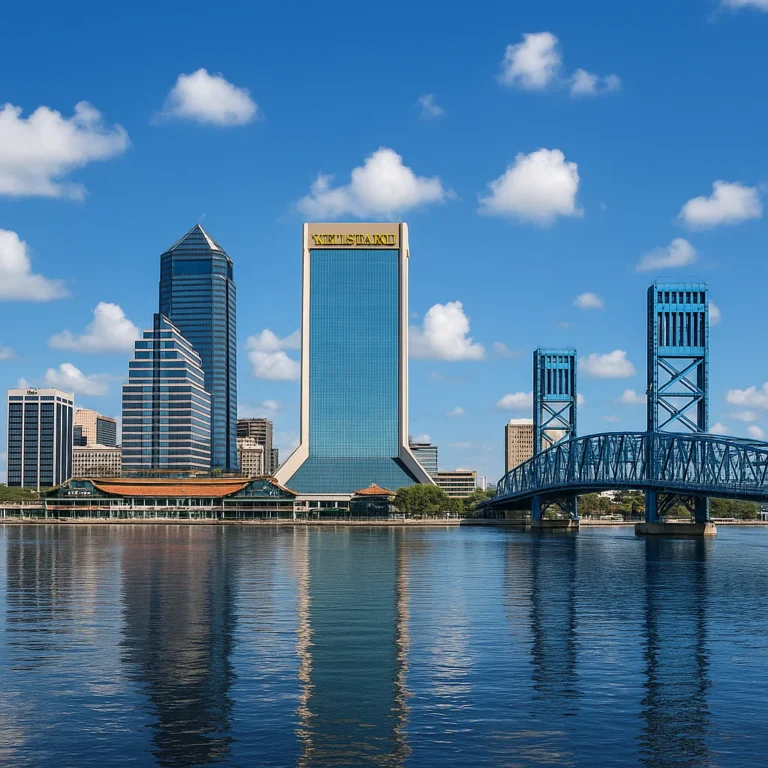
- The Main Street Bridge: A iconic landmark that spans the river.
The River as a Recreational Hub
Today, the river is used for boating, fishing, and kayaking.
- Boating: The river is a popular spot for powerboats, sailboats, and houseboats.
- Fishing: The river is home to a variety of fish, including bass, redfish, and trout.
- Kayaking: The calm waters are perfect for kayaking and paddleboarding.
The River and the Economy
The river is still a vital part of the economy.
- Port of Jacksonville: One of the busiest ports in the US, handling containers, automobiles, and bulk cargo.
- Tourism: The river attracts tourists from all over the world.
But is the river safe?
That’s a question we need to address. The river is beautiful, but it can be dangerous.
💡 Quick Tips for Exploring the St. Johns River Today
If you’re planning to hit the water, here are some essential tips from the Jax Facts™ team.
Safety First
- Know Your Waterways: The river has strong currents and changing tides. Always check the tide charts before you go.
- Wear a Life Jacket: It’s not just for kids. Everyone should wear a life jacket.
- Avoid Night Boating: If you’re inexperienced, avoid boating at night. The river is dark and hard to navigate.
Best Spots to Visit
- The St. Johns River Waterfront Park: Great for walking and picnicking.
- The Main Street Bridge: Offers stunning views of the river.
- The Jacksonville Landing: A hub for dining and shopping.
Local Favorites
- The River City Marketplace: A great place to grab a bite after a day on the water.
- The Cumer Museum: Offers a beautiful view of the river from its gardens.
A Note on Safety: The Tragic Reality
We have to mention a sobering reality. The St. Johns River is not just a playground; it’s a powerful natural force.
In recent years, there have been tragic accidents on the river. One such incident involved a boating accident that resulted in multiple fatalities, including a family and their child. The search for the remaining child was a heartbreaking event for the community.
A local realtor, whose firm posted a message of condolence, highlighted the dangers of the river. A dockmaster explained the challenges: “It’s easy to navigate, but uh, it has a lot of dynamics to it.”
The Lesson: “You know your waterways, learn a little bit before you go out on it.”
This tragedy serves as a reminder that the river demands respect. Whether you’re a seasoned boater or a first-timer, always prioritize safety.
Featured Video: A Lesson from the River
For a deeper understanding of the river’s dangers, watch the video below. It provides insights from a dockmaster and highlights the importance of understanding the river’s dynamics.
Watch the video: Understanding the St. Johns River: Safety and Dynamics
Note: The video discusses a tragic boating accident and offers advice for boaters. It emphasizes the importance of knowing your waterways and being aware of changing currents and tides.
📚 Recommended Links for History Buffs
If you’re hungry for more history, here are some great resources:
- Jacksonville Historical Society: Visit their website for tours and exhibits.
- Florida Memory: Explore digital archives of Florida history.
- St. Johns River Water Management District: Learn about conservation.
❓ Frequently Asked Questions About Cowford and Jacksonville
What are some popular attractions and activities along the St Johns River in Jacksonville, Florida?
The St. Johns River offers a variety of attractions and activities. You can enjoy boating, fishing, kayaking, and paddleboarding. The St. Johns River Waterfront Park is a great spot for walking and picnicking. The Main Street Bridge offers stunning views of the river. For history buffs, the Jacksonville Museum of Modern Art and the Cummer Museum of Art & Gardens are must-visits.
What role did the Cowford settlement play in the development of modern-day Jacksonville?
Cowford was the foundation of modern-day Jacksonville. It was the primary crossing point for cattle and goods, making it a strategic and economic hub. The renaming of Cowford to Jacksonville in 182 marked the beginning of the city’s growth. The river’s geography dictated the city’s layout, and the early settlement patterns still influence the city today.
How did the city of Jacksonville get its name and what are its origins?
The city was named Jacksonville in 182, in honor of Andrew Jackson, the first military governor of the Florida Territory. Before that, it was known as Cowford, a name derived from the cattle crossing at the narrowest point of the St. Johns River. The renaming was a political move to honor Jackson and establish a new capital for the territory.
What is the historical significance of the St Johns River in Jacksonville, Florida?
The St. Johns River is the lifeblood of Jacksonville. It provided a natural highway for trade and transportation, shaped the city’s geography, and influenced its economic growth. The river’s unique northward flow and tidal nature made it a strategic location for settlement and development. Today, it remains a vital part of the city’s economy and culture.
How did the St. Johns River influence the early settlement of Cowford?
The St. Johns River influenced the early settlement of Cowford by providing a natural crossing point for cattle and goods. The river’s narrowing at this spot made it the most logical place to build a town. The river’s tidal nature and slow current made it ideal for steamboat traffic, which fueled the city’s growth.
Why was Cowford renamed Jacksonville in 182?
Cowford was renamed Jacksonville in 182 to honor Andrew Jackson, the first military governor of the Florida Territory. The renaming was a political move to establish a new capital for the territory and to honor Jackson’s contributions to the acquisition of Florida.
What was the significance of the St. Johns River to Jacksonville’s economic growth?
The St. Johns River was the engine of Jacksonville’s economic growth. It provided a natural highway for trade and transportation, allowing for the export of cotton, timber, and citrus fruits. The river’s tidal nature and slow current made it ideal for steamboat traffic, which fueled the city’s growth. Today, the river remains a vital part of the city’s economy, with the Port of Jacksonville being one of the busiest ports in the US.
How did the location of Cowford on the St. Johns River affect its development?
The location of Cowford on the St. Johns River affected its development by making it a strategic and economic hub. The river’s narrowing at this spot made it the most logical place to build a town. The river’s tidal nature and slow current made it ideal for steamboat traffic, which fueled the city’s growth. The river’s geography dictated the city’s layout, and the early settlement patterns still influence the city today.
🔗 Reference Links and Primary Sources
For those who want to dig deeper, here are some reliable sources:
- Florida Historical Society: Florida Historical Society
- National Park Service: St. Johns River
- Jacksonville Historical Society: Jacksonville Historical Society
- St. Johns River Water Management District: SJRWMD
- JAX Fray: 16 Interesting Facts About Jacksonville
Conclusion
So, there you have it. The story of Cowford and Jacksonville is a tale of geography, politics, and a little bit of bovine logistics. The St. Johns River, with its unique northward flow and tidal nature, shaped the city’s destiny. From a simple cattle crossing to a bustling metropolis, the river has been the constant thread in Jacksonville’s history.
Key Takeaways:
- Cowford was named for the cattle crossing at the narrowest point of the St. Johns River.
- The city was renamed Jacksonville in 182 to honor Andrew Jackson.
- The river’s geography dictated the city’s layout and economic growth.
- The river remains a vital part of Jacksonville’s economy and culture today.
- Safety is paramount when exploring the river.
We hope this article has given you a deeper appreciation for the St. Johns River and its role in shaping Jacksonville. Whether you’re a local or a visitor, the river is a treasure that deserves our respect and protection.
Final Thought: The next time you cross the Main Street Bridge or take a boat ride on the river, remember the story of Cowford. It’s a reminder that even the smallest details of geography can shape the course of history.
Recommended Actions:
- Visit the St. Johns River Waterfront Park for a day of relaxation and history.
- Take a guided tour with the Jacksonville Historical Society to learn more about the city’s past.
- Support local conservation efforts to protect the St. Johns River for future generations.
Check out these resources for more information:
- Jacksonville Historical Society
- St. Johns River Water Management District
- JAX Fray: 16 Interesting Facts About Jacksonville
👉 Shop for Jacksonville History Books on Amazon:
Remember: The river is beautiful, but it’s also powerful. Always respect the water, and you’ll have a great time exploring Jacksonville’s most iconic landmark.