Support our educational content for free when you purchase through links on our site. Learn more
Where Does Jacksonville Rank in Size? The Surprising Truth (2026) 🏙️

When you think of big cities in the U.S., Jacksonville might not be the first name that pops into your head. But here’s a fun fact that might just blow your mind: Jacksonville is the largest city by land area in the contiguous United States! That’s right — bigger than Houston, Phoenix, and even sprawling Los Angeles. But how does it stack up in terms of population? And what does this massive size mean for residents and visitors alike?
In this article, we’ll unravel Jacksonville’s ranking in both land area and population, explore the unique city-county consolidation that makes it so vast, and dive into how this scale shapes everything from the economy to daily life. Curious how Jacksonville’s size compares to other Florida cities or what it means for your commute? Stick around — we’ve got all the juicy details and some surprising insights you won’t want to miss.
Key Takeaways
- Jacksonville is the largest city by land area in the contiguous U.S., covering about 874 square miles.
- It ranks 10th in population nationally, with over 1 million residents in the city proper.
- The city’s consolidated government with Duval County is a key reason for its massive size.
- Jacksonville’s sprawling geography offers ample green spaces, beaches, and economic opportunities, but also presents challenges like longer commutes.
- The presence of major military bases and a bustling port adds to Jacksonville’s strategic and economic importance.
Ready to discover why Jacksonville’s size is more than just a number? Let’s dive in!
Table of Contents
- ⚡️ Quick Tips and Facts: Unpacking Jacksonville’s Grand Scale
- 📜 The Genesis of Giants: Jacksonville’s Historical Journey to Immense Size
- 🗺️ The Land of Giants: Jacksonville’s Geographic Footprint and Land Area Ranking
- 👨 👩 👧 👦 Population Powerhouse: Jacksonville’s Demographic Ranking and Growth
- 💰 Economic Engine: The Financial Scale and Impact of Northeast Florida
- 🛣️ Infrastructure and Urban Sprawl: Building and Navigating a Big City
- 🏖️ Quality of Life in a Big City: Balancing Jacksonville’s Scale with Local Charm
- 🏛️ The Unique “Consolidated” Advantage: How Government Structure Defines Jacksonville’s Size
- ⚓️ Military Might: The Significant Presence of Naval Bases and Their Scale
- 📈 What Does Jacksonville’s Size Mean for You? Living, Working, and Thriving in a Large City
- 🔮 Looking Ahead: The Future Growth and Evolution of Jacksonville’s Grand Scale
- ✅ Conclusion: Jax’s Grand Scale – A Story of Growth, Opportunity, and Endless Horizons
- 🔗 Recommended Links for Further Exploration
- ❓ FAQ: Your Burning Questions About Jacksonville’s Size, Answered!
- 📚 Reference Links and Sources
⚡️ Quick Tips and Facts: Unpacking Jacksonville’s Grand Scale
If you’ve ever wondered where does Jacksonville rank in size?, you’re in the right place! As proud locals at Jax Facts™, we’ve got the scoop on everything that makes Jacksonville a giant among cities. Spoiler alert: Jacksonville is the largest city by land area in the contiguous United States and ranks 10th in population nationally. That’s no small feat! 🌟
- Land Area: Approximately 874 square miles — bigger than some entire states!
- Population: Over 1 million residents in the city proper (2024 estimate), making it the most populous city in Florida.
- Metro Area: Around 1.7 million people call the greater Jacksonville area home.
- Nicknames: “Jax,” “The River City,” and “The Bold New City of the South.”
- Unique Feature: Jacksonville’s city government is consolidated with Duval County, which helps explain its massive land area.
Want to dive deeper? We’ll explore how Jacksonville’s size compares to other cities, how its sprawling geography shapes life here, and why this city is a powerhouse in economy, culture, and infrastructure. Curious about how Jacksonville’s size impacts your daily commute or weekend plans? Keep reading!
For a quick primer on Jacksonville’s size compared to other U.S. cities, check out our related article: Is Jacksonville One of the Biggest Cities in the U.S.? 🏙️.
📜 The Genesis of Giants: Jacksonville’s Historical Journey to Immense Size
Jacksonville’s story isn’t just about numbers; it’s a tale of strategic growth and consolidation that transformed it into a sprawling metropolis.
Early Beginnings and Naming
- Originally inhabited by the Timucua people for thousands of years.
- European settlers arrived in the 16th century; the French established Fort Caroline in 1564.
- Named after Andrew Jackson, the first territorial governor of Florida, in 1822.
Consolidation: The Game-Changer
- In 1968, Jacksonville merged its city government with Duval County, creating a consolidated city-county government.
- This consolidation expanded Jacksonville’s official city limits to cover nearly the entire county — a whopping 874 square miles.
- This move was designed to streamline governance, reduce duplication, and manage urban sprawl effectively.
Why It Matters
This consolidation is why Jacksonville is so massive on the map — it includes urban, suburban, and rural areas under one city government. It’s a unique structure that few U.S. cities share, giving Jacksonville a distinct advantage in managing growth and resources.
🗺️ The Land of Giants: Jacksonville’s Geographic Footprint and Land Area Ranking
Jacksonville’s land area is the largest of any city in the contiguous United States — a fact that often surprises newcomers and even some longtime residents!
City Limits vs. Metropolitan Area: Decoding Jacksonville’s True Scale
- City Proper: 874.46 square miles (2,264.84 km²) — the largest city by land area in the continental U.S.
- Metropolitan Area: Encompasses parts of five counties, covering roughly 3,700 square miles, home to about 1.7 million people.
- Urban Area: The densely populated core is smaller but still expansive, with a mix of residential, commercial, and industrial zones.
Comparing Jax’s Land Area: How We Stack Up Against Other Major US Cities
| City | Land Area (sq mi) | Population (2024 est.) | Rank by Land Area (Contiguous US) | Rank by Population (US Cities) |
|---|---|---|---|---|
| Jacksonville, FL | 874.46 | 1,009,833 | 1st | 10th |
| Houston, TX | 637.5 | 2,400,000+ | 2nd | 4th |
| Phoenix, AZ | 517.6 | 1,700,000+ | 3rd | 5th |
| Los Angeles, CA | 503 | 3,900,000+ | 4th | 2nd |
| Nashville, TN | 475.5 | 715,000+ | 5th | 23rd |
Source: U.S. Census Bureau
Jacksonville’s vast land area means there’s room to breathe, grow, and explore — but it also presents challenges in transportation and service delivery.
👨 👩 👧 👦 Population Powerhouse: Jacksonville’s Demographic Ranking and Growth
Jacksonville isn’t just big on the map; it’s big in people too! Let’s break down the numbers and what they mean for the city.
Florida’s Largest City by Population: The Duval County Distinction
- Jacksonville is the most populous city in Florida, surpassing Miami and Tampa.
- The population of Duval County, which is coterminous with the city, is over 1 million residents.
- The city’s population has been steadily growing, fueled by job opportunities, affordable housing, and quality of life.
National Standing: Where Does Jacksonville Rank Among US Cities by Population?
- Jacksonville ranks 10th among U.S. cities by population as of 2024 estimates.
- It trails behind cities like New York, Los Angeles, Chicago, Houston, and Phoenix but is ahead of cities like San Francisco and Boston.
The Greater Jacksonville Metro Area: A Sprawling Community’s Influence
- The metro area population is approximately 1.7 million, including neighboring counties like Clay, St. Johns, Nassau, and Baker.
- This broader region contributes to Jacksonville’s economic and cultural influence in Northeast Florida and beyond.
For more on Jacksonville’s demographics and growth trends, visit our Jacksonville Demographics section.
💰 Economic Engine: The Financial Scale and Impact of Northeast Florida
Jacksonville’s size isn’t just physical — it’s an economic powerhouse that drives the region and state.
Port of Jacksonville (JAXPORT): A Global Gateway and Economic Behemoth
- JAXPORT is Florida’s largest seaport by volume and ranks 40th nationally among U.S. ports.
- Handles millions of tons of cargo annually, including containers, automobiles, and bulk goods.
- Supports thousands of jobs and generates billions in economic activity.
Major Industries Fueling Jax’s Economic Powerhouse Status
- Finance & Insurance: Home to Fortune 500 companies like CSX Corporation, Fidelity National Financial, and FIS.
- Healthcare: Large hospital systems and research institutions.
- Military: Naval Air Station Jacksonville and Naval Station Mayport are major employers.
- Logistics & Transportation: Due to its strategic location and port facilities.
- Tourism & Hospitality: Beaches, cultural events, and sports teams attract visitors year-round.
Jacksonville’s diverse economy helps sustain its growth and provides opportunities for residents and newcomers alike.
🛣️ Infrastructure and Urban Sprawl: Building and Navigating a Big City
Managing a city as large as Jacksonville requires robust infrastructure and smart urban planning.
Roads, Bridges, and Transit: Connecting Jacksonville’s Vast Landscape
- Major highways: I-95, I-10, I-295, and state roads crisscross the city, supporting commuter and freight traffic.
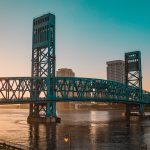
- Iconic bridges like the Dames Point Bridge and Acosta Bridge connect neighborhoods separated by the St. Johns River.
- Public transit includes the Jacksonville Transportation Authority (JTA) bus system and the Skyway monorail, though many residents rely on cars due to the city’s size.
Jacksonville International Airport (JAX): A Hub for a Large Region
- JAX offers domestic flights with connections to major hubs, serving millions annually.
- Its location supports both business and leisure travel for Northeast Florida and southern Georgia.
Navigating Jacksonville’s sprawling geography can be a challenge, but the city is investing in infrastructure improvements to keep pace with growth.
🏖️ Quality of Life in a Big City: Balancing Jacksonville’s Scale with Local Charm
Living in a large city can feel overwhelming, but Jacksonville balances its size with plenty of local flavor and outdoor fun.
Parks, Beaches, and Green Spaces: Enjoying Jax’s Expansive Outdoors
- Jacksonville boasts the largest urban park system in the U.S. with over 80,000 acres and 337 park locations.
- From the Jacksonville Beach coastline to the peaceful trails of Timucuan Ecological and Historic Preserve, nature lovers have endless options.
- The St. Johns River offers boating, fishing, and scenic views right in the heart of the city.
Cultural Canvas: Arts, Entertainment, and Events Across a Large City
- Jacksonville hosts major events like the Jacksonville Jazz Festival and Springing the Blues.
- Museums such as the Cummer Museum of Art and Gardens and the Museum of Science & History (MOSH) enrich the cultural scene.
- Sports fans cheer on the Jacksonville Jaguars (NFL) and the Jacksonville Jumbo Shrimp (minor league baseball).
For a deeper dive into Jacksonville’s vibrant lifestyle, check out our Jacksonville Culture section.
🏛️ The Unique “Consolidated” Advantage: How Government Structure Defines Jacksonville’s Size
Jacksonville’s consolidated city-county government is a rare model in the U.S., and it shapes everything from city services to political representation.
- The consolidation merges city and county governments, covering nearly all of Duval County.
- This structure reduces bureaucracy and allows for unified planning across urban and rural areas.
- It also means Jacksonville’s official city limits include vast undeveloped and suburban land, inflating its land area ranking.
This model is often cited as a reason Jacksonville can manage growth more efficiently than fragmented metro areas.
⚓️ Military Might: The Significant Presence of Naval Bases and Their Scale
Jacksonville’s size is bolstered by a strong military footprint, which also impacts the local economy and culture.
- Home to Naval Air Station Jacksonville, Naval Station Mayport, and nearby Naval Submarine Base Kings Bay (in Georgia).
- These bases form the third largest naval complex in the U.S., employing thousands of military personnel and civilians.
- The military presence supports local businesses and contributes to Jacksonville’s strategic importance.
📈 What Does Jacksonville’s Size Mean for You? Living, Working, and Thriving in a Large City
So, what does all this size and scale mean for residents and visitors?
- Pros:
- Plenty of space for housing, parks, and business development.
- Diverse neighborhoods with unique vibes, from historic Riverside to beachside communities.
- Economic opportunities across multiple industries.
- Cons:
- Longer commutes can be a reality due to urban sprawl.
- Public transit options are limited compared to denser cities.
- Some areas remain rural or undeveloped, requiring travel for amenities.
Whether you’re moving here, starting a business, or just visiting, understanding Jacksonville’s size helps you navigate and appreciate its unique character.
🔮 Looking Ahead: The Future Growth and Evolution of Jacksonville’s Grand Scale
Jacksonville’s story is still unfolding. Here’s what the future might hold:
- Continued population growth expected, driven by migration and economic expansion.
- Infrastructure investments aimed at improving transit, roads, and connectivity.
- Urban development projects focusing on revitalizing downtown and expanding affordable housing.
- Environmental initiatives to protect beaches, rivers, and green spaces amid growth pressures.
Jacksonville’s size is both a challenge and an opportunity — a canvas for innovation and community building.
At this point, you might be wondering how Jacksonville’s size compares to other cities you know, or how it feels to live in such a sprawling metropolis. Stay tuned for the conclusion where we tie it all together and share our expert recommendations!
For a fun perspective on Jacksonville’s population ranking, check out the first YouTube video embedded above in this article, which interestingly notes Jacksonville as the 13th most populous city in the U.S., with a population comparison to Manhattan. See #featured-video for more.
Conclusion: Jax’s Grand Scale – A Story of Growth, Opportunity, and Endless Horizons

After our deep dive into where Jacksonville ranks in size, it’s clear that this city is a true giant — both in land area and population. With nearly 900 square miles under one consolidated government and over 1 million residents, Jacksonville stands tall as Florida’s largest city by both measures and ranks 10th nationally by population. This unique combination of vast geography and growing population creates a city that offers room to grow, diverse opportunities, and a rich quality of life.
But it’s not just about size for size’s sake. Jacksonville’s strategic consolidation, thriving economy anchored by JAXPORT and military bases, and vibrant cultural scene make it a dynamic place to live, work, and play. Sure, the sprawling nature means some challenges — like longer commutes and limited public transit — but the city’s investments in infrastructure and community development show it’s ready to meet those head-on.
So, if you’re wondering whether Jacksonville’s size translates into a big-city experience or a laid-back beach town vibe, the answer is: both. You get the best of a major metropolitan area with the charm of coastal living and plenty of green space. Whether you’re a newcomer or a lifelong resident, Jacksonville’s grand scale offers endless horizons to explore.
Recommended Links for Further Exploration
Looking to dive deeper into Jacksonville’s history, culture, or even snag some great reads about the city? Check out these handpicked resources and products:
-
Books on Jacksonville’s History and Growth:
- Jacksonville’s Architectural Heritage by Wayne Wood
- Bold New City of the South: Jacksonville’s Consolidation Story by John Reiger
- Shop Jacksonville Books on Amazon
-
Explore Jacksonville’s Economy and Port:
-
Military Presence and Naval Bases:
-
Jacksonville Jaguars Report Card 2025:
❓ FAQ: Your Burning Questions About Jacksonville’s Size, Answered!

Which city is bigger Orlando or Jacksonville?
Jacksonville is significantly bigger than Orlando in terms of land area. Jacksonville covers about 874 square miles, making it the largest city by land area in the contiguous United States. Orlando, by contrast, spans roughly 119 square miles. So, Jacksonville’s footprint is more than seven times larger than Orlando’s. This vast size is largely due to Jacksonville’s consolidated city-county government, which includes urban, suburban, and rural areas. Orlando’s smaller size means it’s more densely packed and urbanized.
What is Jacksonville’s population compared to other US cities?
Jacksonville ranks 10th in population among U.S. cities with an estimated population of just over 1 million residents in 2024. It trails behind giants like New York, Los Angeles, Chicago, Houston, and Phoenix but is ahead of cities such as San Francisco and Boston. The city’s population growth has been steady, driven by economic opportunities and quality of life factors. The greater Jacksonville metropolitan area has about 1.7 million people, expanding its influence beyond city limits.
How does Jacksonville’s land area rank among cities in Florida?
Jacksonville is the largest city by land area in Florida by a wide margin. Its 874 square miles dwarf other major Florida cities like Miami (about 56 sq mi), Tampa (about 175 sq mi), and Orlando (119 sq mi). This is due to the 1968 consolidation of Jacksonville with Duval County, which expanded its official city limits to cover nearly the entire county, including many rural and undeveloped areas.
Is Jacksonville the largest city by area in the United States?
Yes! Jacksonville holds the title of largest city by land area in the contiguous United States. Its 874 square miles surpass other large cities such as Houston and Phoenix. However, if you include cities in Alaska, places like Sitka and Wrangell are larger, but those are exceptions due to Alaska’s unique geography. So, for all practical purposes in the Lower 48, Jacksonville is king of the land area.
Where does Jacksonville rank in population size within Florida?
Jacksonville is the most populous city in Florida, edging out Miami and Tampa. With over 1 million residents, it leads the state by population. Miami, the second largest, has about 450,000 residents within city limits, though its metro area is larger. Jacksonville’s population advantage is bolstered by its consolidated city-county government, which includes a broad area and diverse communities.
Additional FAQ: How does Jacksonville’s size affect daily life?
Jacksonville’s sprawling geography means residents often face longer commutes and rely heavily on cars. Public transit is limited compared to denser cities, but the abundance of parks, beaches, and green spaces offers a high quality of life. The city’s infrastructure investments aim to improve connectivity and ease urban sprawl challenges.
What industries thrive in Jacksonville due to its size?
Jacksonville’s size supports a diverse economy including finance, logistics, military, healthcare, and tourism. The large port (JAXPORT) and military bases provide significant employment and economic activity, while the city’s size allows for expansive industrial parks and business districts.
📚 Reference Links and Sources
- Jacksonville, Florida – Wikipedia
- U.S. Census Bureau – City and Town Population Totals
- JAXPORT Official Website
- City of Jacksonville Official Site
- Jacksonville Transportation Authority (JTA)
- Naval Air Station Jacksonville
- Naval Station Mayport
- NFLPA Jacksonville Jaguars Report Card 2025
- Moving to Florida Guide – Largest Florida Cities
If you want to explore more about Jacksonville’s fascinating size and culture, keep browsing our Jacksonville Facts and Jacksonville Culture categories. We’re here to keep you in the know about everything Jax! 🌴