Support our educational content for free when you purchase through links on our site. Learn more
🤔 Why is Jax Called Duval? The Shocking Truth Revealed (2026)

Ever been in a conversation with a local, heard them say, “I’m heading to Duval,” and paused, wondering if they meant a specific neighborhood or a secret code? You aren’t alone. The question “Why is Jax called Duval?” trips up newcomers and even confuses some old-timers who grew up hearing both names used interchangeably. Is it a nickname? A mistake? Or is there a deeper historical reason that ties our city’s identity to a man named William Pope Duval?
Here at Jax Facts™, we’ve dug through the dusty archives and sat down with local historians to uncover the full story. Spoiler alert: It has nothing to do with the famous Duval Fish Company (though we’ll touch on that later!) and everything to do with a massive government merger in 1968 that changed the map forever. We’ll reveal how a territorial governor from the 1820s ended up giving his name to the entire metro area, why “Jax” and “Duval” aren’t actually the same thing historically, and how this naming quirk shapes our local culture today. By the end of this read, you’ll never look at a street sign the same way again.
Key Takeaways
- The Real Reason: Jacksonville is often called “Duval” because it is the county seat of Duval County, and the two governments consolidated in 1968, making the city and county a single legal entity.
- The Namesake: The county was named after William Pope Duval, the second Governor of the Florida Territory (182–1834), not after a local fish or a modern nickname.
- Jax vs. Duval: “Jax” is the city’s historic nickname (likely from the “Jax” beer brand), while “Duval” is the official county name; locals use them interchangeably due to the unified government.
- Cultural Impact: The name “Duval” is deeply embedded in local identity, appearing in Duval County Public Schools, the Sheriff’s Office, and everyday conversation, symbolizing the region’s unity.
Table of Contents
- ⚡️ Quick Tips and Facts
- 🏛️ The Historical Roots: Why is Jax Called Duval?
- 📜 Andrew Jackson’s Legacy and the Naming of Duval County
- 🗺️ From Territory to Statehood: The Evolution of Jacksonville’s Identity
- 🤔 Common Myths vs. Historical Reality: Debunking the Confusion
- 🏙️ How the Name “Duval” Shapes Modern Jacksonville Culture
- 🚗 Navigating Duval County: A Local’s Guide to the Area
- 📚 Essential Reading: Books and Archives on Duval History
- 🏆 Conclusion
- 🔗 Recommended Links
- ❓ FAQ: Your Burning Questions About Duval County Answered
- 📖 Reference Links
⚡️ Quick Tips and Facts
Before we dive into the dusty archives of Florida history, let’s hit the ground running with the absolute essentials you need to know about the “Duval” mystery. We’ve been living here in the First Coast for decades, and we’ve heard every theory from “It’s named after a fish” to “It’s a secret code.” Here’s the real deal:
- The Short Answer: Jacksonville is called “Duval” because it is the county seat of Duval County. The city and county share a consolidated government (since 1968), so the names are often used interchangeably in legal and administrative contexts.
- The Origin: Duval County was named after William Pope Duval, the second Governor of the Florida Territory, who served from 182 to 1834.
- The “Jax” vs. “Duval” Confusion: “Jax” is the city’s nickname (likely from the “Jax” beer brand or a shorthand for Jacksonville), while “Duval” is the county name. You are in Duval County when you are in Jacksonville, but you aren’t necessarily in “Duval” when you say “Jax.”
- Consolidation: In 1968, the city and county governments merged. This is why you’ll hear locals say, “I live in Duval,” referring to the entire metro area, not just a specific neighborhood.
- Fun Fact: The name “Duval” appears everywhere here—from the Duval County Public Schools to the Duval County Courthouse and even the local Duval County Sheriff’s Office.
If you’re still scratching your head about why we have two names for one place, don’t worry. We’re about to unravel the whole story, starting with the man behind the name. But first, a quick detour: have you ever wondered why the city itself is called “Jax”? We covered that deep dive in our article on Why is Jacksonville called Jax?, so give that a read if you want the full picture of our local nomenclature!
🏛️ The Historical Roots: Why is Jax Called Duval?
To understand why we say “Duval” in conversation, you have to understand the political geography of Florida in the early 19th century. It wasn’t always the sprawling metropolis we know today; it was a territory fighting for identity.
The Birth of Duval County
When Florida became a U.S. territory in 1821, the government needed to organize the land. They carved out counties, and one of the first was named Duval County.
Why Duval? It was named in honor of William Pope Duval, who was appointed the second Governor of the Florida Territory by President James Monroe. He served from 182 to 1834, a critical period where Florida was transitioning from Spanish rule to American statehood.
During his tenure, Duval was instrumental in establishing the territorial capital and organizing the local government. The county was created on March 12, 182, and the city of Jacksonville was founded shortly after, in 182, as the county seat.
The Consolidation Era
Here is where things get interesting for the modern resident. For over a century, the City of Jacksonville and Duval County operated as separate entities. You had a city government and a county government, often with overlapping jurisdictions.
But in 1968, a massive consolidation occurred. The city and county governments merged into a single entity: the Consolidated City of Jacksonville. This meant that the city limits expanded to cover the entire county.
- Result: When you live in Jacksonville, you live in Duval County.
- Result: When people refer to the “Duval” area, they are often referring to the entire consolidated jurisdiction.
This consolidation is the primary reason why “Duval” is so frequently used in place of “Jacksonville” in official contexts, news reports, and even casual conversation among locals. It’s not just a nickname; it’s a legal reality.
📜 Andrew Jackson’s Legacy and the Naming of Duval County
Wait a minute! You might be thinking, “Jacksonville is named after Andrew Jackson, so why is the county named Duval?” Great question! This is a common point of confusion, and it highlights the difference between city naming and county naming conventions in early Florida.
Andrew Jackson: The City’s Namesake
The city of Jacksonville was named after Andrew Jackson, the seventh President of the United States. Jackson was a military hero who played a pivotal role in the First Seminole War and the acquisition of Florida from Spain. When the city was founded in 182, it was a tribute to his military prowess and his role in securing the territory.
William Pope Duval: The County’s Namesake
While the city honored the general (and future president), the county honored the territorial governor. William Pope Duval was a prominent figure in Florida’s early governance. He was a lawyer, a politician, and a staunch advocate for Florida’s development.
- Key Difference: The city name reflects a military/political hero (Jackson), while the county name reflects the administrative leader (Duval) who was in charge when the county was established.
This dual naming convention is actually quite common in the U.S., where cities and counties often have different namesakes based on their specific historical contexts.
Why the Confusion Persists
Because the city and county are now consolidated, the distinction has blurred. When you hear “Duval County Schools,” you’re hearing about the schools in Jacksonville. When you hear “Duval County Sheriff,” you’re hearing about the law enforcement in Jacksonville.
But if you dig into the history, you’ll find that Andrew Jackson and William Pope Duval were two very different men with two very different legacies. Jackson was the warrior; Duval was the administrator. And that’s why we have both names in our local lexicon.
🗺️ From Territory to Statehood: The Evolution of Jacksonville’s Identity
The story of “Duval” doesn’t end with the naming of the county. It evolves through Florida’s journey from a territory to a state, and eventually to the modern consolidated city we know today.
The Territorial Era (1821–1845)
During the territorial period, Duval County was the political heart of Florida. Jacksonville served as the county seat, and the Duval County Courthouse was the center of legal and administrative life.
- Population Growth: The area saw a steady influx of settlers, primarily from the South, looking for new opportunities in agriculture and trade.
- Infrastructure: Roads, bridges, and public buildings were constructed, solidifying Jacksonville’s role as a regional hub.
Statehood and Beyond (1845–1968)
When Florida became a state in 1845, Duval County remained a key player. However, the city and county governments operated separately, leading to some friction and inefficiency.
- Separate Governments: The City of Jacksonville had its own mayor and council, while Duval County had its own commissioners and sheriff.
- Jurisdictional Overlaps: This often led to confusion over who was responsible for what, especially in areas like law enforcement and public services.
The 1968 Consolidation
The turning point came in 1968 with the consolidation of the city and county governments. This was a massive undertaking that reshaped the identity of the region.
- Unified Government: The new consolidated government combined the powers of the city and county, creating a single entity with a mayor and a city council.
- Expanded City Limits: The city limits were expanded to cover the entire county, making Jacksonville one of the largest cities by area in the contiguous United States.
This consolidation is why “Duval” and “Jacksonville” are often used interchangeably today. It’s not just a matter of convenience; it’s a reflection of the unified identity of the region.
🤔 Common Myths vs. Historical Reality: Debunking the Confusion
Let’s clear up some of the wildest myths we’ve heard over the years. We’ve been asked everything from “Is Duval a person?” to “Is it named after a fish?” Here’s the truth.
Myth 1: “Duval” is a nickname for Jacksonville.
Reality: No, “Duval” is the county name. While it’s often used as a shorthand for the city due to consolidation, it’s technically the name of the county. The nickname “Jax” is the actual city nickname.
Myth 2: Duval County was named after a local fisherman.
Reality: Absolutely not. As we’ve established, it was named after William Pope Duval, the territorial governor. The idea that it’s named after a fish (perhaps a “Duval” fish?) is a fun local legend, but it has no historical basis.
Myth 3: Jacksonville and Duval County are two different places.
Reality: Since 1968, they are the same place. The city limits cover the entire county. So, when you’re in Jacksonville, you’re in Duval County, and vice versa.
Myth 4: The name “Duval” is only used in official documents.
Reality: While it’s common in official contexts, locals use “Duval” in everyday conversation too. You’ll hear things like, “I’m heading to Duval for the game,” or “The Duval schools are great.” It’s a part of our local identity.
Myth 5: Andrew Jackson named the county Duval.
Reality: Andrew Jackson had nothing to do with naming the county. He was the namesake of the city, while William Pope Duval was the namesake of the county.
🏙️ How the Name “Duval” Shapes Modern Jacksonville Culture
The name “Duval” isn’t just a historical artifact; it’s a living part of our culture. From schools to sports, the name “Duval” is woven into the fabric of daily life in Jacksonville.
Education: Duval County Public Schools
One of the most visible uses of the name “Duval” is in our school system. Duval County Public Schools (DCPS) is the largest school district in Florida, serving over 130,0 students.
- Identity: The name “Duval” is a source of pride for students, teachers, and parents. It represents a unified system that serves the entire county.
- Community: The school district plays a central role in community events, from football games to art festivals.
Sports: The Jacksonville Jaguars
While the team is called the Jacksonville Jaguars, the name “Duval” often comes up in discussions about the team’s fanbase. The team represents the entire Duval County region, not just the city.
- Fan Culture: Fans often refer to themselves as “Duval” fans, emphasizing the county-wide support for the team.
- Community Engagement: The Jaguars are deeply involved in the community, supporting local charities and events throughout Duval County.
Local Pride and Identity
The name “Duval” is a symbol of local pride. It represents the unity of the city and county, and the shared identity of the people who live here.
- Merchandise: You’ll find “Duval” on t-shirts, hats, and other merchandise sold by local businesses.
- Events: Many local events, from festivals to parades, use “Duval” in their names to emphasize the county-wide nature of the celebration.
🚗 Navigating Duval County: A Local’s Guide to the Area
If you’re new to the area or just want to explore more of what Duval County has to offer, here’s a quick guide to help you navigate our beautiful region.
Key Areas in Duval County
Duval County is vast, covering over 760 square miles. Here are some of the key areas you should know:
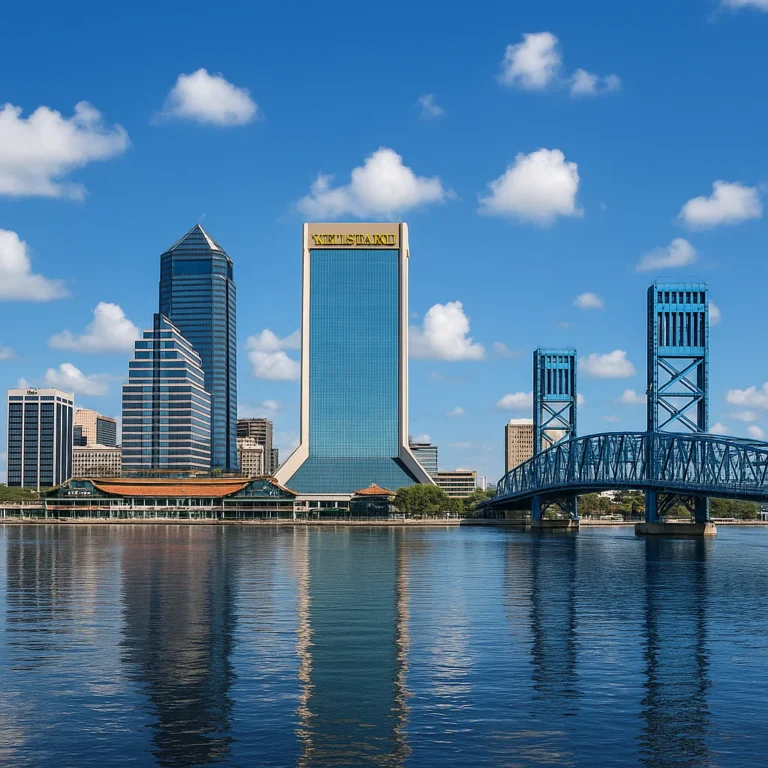
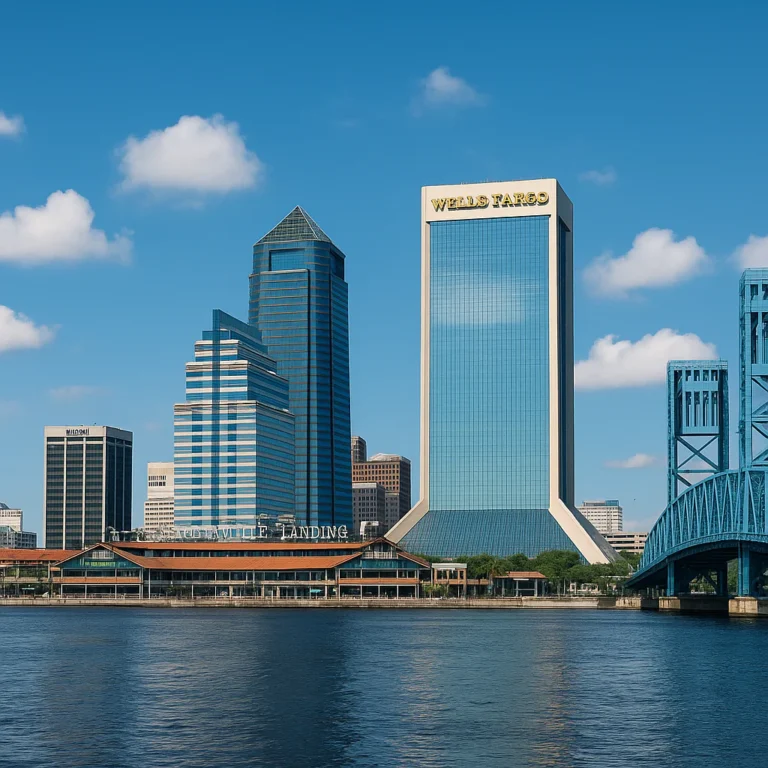
- Downtown Jacksonville: The heart of the city, home to the Jacksonville Landing, EverBank Stadium, and the Jacksonville Museum of Modern Art.
- Southside: A popular residential area with great schools, shopping, and dining.
- Northside: Known for its historic neighborhoods and proximity to the St. Johns River.
- Westside: Home to the Jacksonville International Airport and a growing number of businesses.
- Beaches: The Jacksonville Beaches (Atlantic Beach, Neptune Beach, Jacksonville Beach) are a major draw for tourists and locals alike.
Transportation Tips
Getting around Duval County can be a challenge, but here are some tips:
- Public Transit: The Jacksonville Transportation Authority (JTA) operates buses and the Skyway (a people mover system).
- Highways: Major highways include I-95, I-10, and I-295, which connect the county to the rest of Florida and beyond.
- Biking: The River City Marketplace and St. Johns Town Center have bike-friendly paths, and the Riverside Avenue area is great for cycling.
Local Events and Attractions
Duval County is full of events and attractions that celebrate our history and culture:
- Jacksonville Jazz Festival: A world-class event that draws musicians and fans from around the globe.
- Florida Theatre: A historic venue that hosts concerts, plays, and other performances.
- Cummer Museum of Art & Gardens: A beautiful museum with a stunning garden.
📚 Essential Reading: Books and Archives on Duval History
If you’re a history buff like us, you’ll love diving deeper into the story of Duval County. Here are some of our favorite resources:
Books
- “Jacksonville: A History” by John J. Tigert: A comprehensive look at the history of Jacksonville and Duval County.
- “The Story of Duval County” by the Duval County Historical Society: A detailed account of the county’s development.
- “Florida’s First Coast: A History” by Robert L. Brown: Explores the broader history of the region, including Duval County.
Online Archives
- Duval County Public Library: Offers a wealth of historical documents, photos, and maps.
- Florida Memory: A digital archive of Florida’s history, including materials related to Duval County.
- Jacksonville Historical Society: Provides resources and events focused on local history.
Local Museums
- Cummer Museum of Art & Gardens: Features art and history exhibits.
- Museum of Science & History (MOSH): Offers interactive exhibits on science and local history.
Conclusion
So, there you have it! The mystery of “Why is Jax called Duval?” is finally solved. It’s not a nickname, it’s not a fish, and it’s not a secret code. It’s simply the county name that has become synonymous with the city due to the 1968 consolidation.
We hope this deep dive has given you a new appreciation for the history and identity of our beloved Jacksonville. Whether you’re a lifelong resident or a newcomer, understanding the story behind “Duval” helps us connect with the rich heritage of this amazing city.
If you have any more questions or want to share your own stories about Duval County, we’d love to hear from you! And don’t forget to check out our other articles on Jacksonville Facts, Jacksonville Culture, and Jacksonville Beaches for more local insights.
🔗 Recommended Links
If you’re looking to dive deeper into the history of Duval County or want to support local businesses, here are some great resources:
- Books on Duval History:
- Jacksonville: A History on Amazon
- The Story of Duval County on Amazon
- Local Museums:
- Cummer Museum of Art & Gardens
- Museum of Science & History (MOSH)
- Historical Archives:
- Duval County Public Library
- Florida Memory
❓ FAQ: Your Burning Questions About Duval County Answered
Why is Duval County famous?
Duval County is famous for being the county seat of Jacksonville, Florida, and for its rich history dating back to the early 19th century. It’s also known for its consolidated government, which makes it one of the largest cities by area in the contiguous United States. Additionally, Duval County is home to the Jacksonville Jaguars, the Jacksonville Jaguars (NFL team), and a vibrant arts and culture scene.
Read more about “What Is Jax Known For? 15 Surprising Things That Define Jacksonville 🌴 (2026)”
Why is Jacksonville named Jacksonville?
Jacksonville was named after Andrew Jackson, the seventh President of the United States, who played a key role in the acquisition of Florida from Spain. The city was founded in 182 as a tribute to his military and political achievements.
Read more about “Is Jax Short for Jacksonville? The Definitive Local Truth (2026) 🏙️”
Where does Duval come from?
The name “Duval” comes from William Pope Duval, the second Governor of the Florida Territory. He served from 182 to 1834 and was instrumental in establishing the territorial government. The county was named in his honor in 182.
Read more about “Inside the Jacksonville Jaguars Fan Base: 12 Signs You’re True Duval 🐆 (2026)”
Why do they say Duval in Jacksonville?
Locals often say “Duval” instead of “Jacksonville” because the city and county are consolidated. Since 1968, the city limits have covered the entire county, making “Duval” a common shorthand for the entire region.
Read more about “🌍 Jacksonville Size Comparison: Bigger Than Rhode Island? (2026)”
Why is Jacksonville also known as Duval County?
Jacksonville is not “also known as” Duval County; rather, it is the county seat of Duval County. Due to the 1968 consolidation, the city and county are now a single entity, so the names are often used interchangeably.
Read more about “What County Is Jacksonville, FL In? Discover Duval’s Secrets (2025) 🌴”
What is the history behind the name Duval in Jacksonville?
The name “Duval” was chosen in 182 to honor William Pope Duval, the territorial governor. The county was established that year, and Jacksonville was founded as its county seat. The name has remained a part of the region’s identity ever since.
Read more about “🤯 How Big Is Orlando? The Shocking Truth About Size (2026)”
Who was William Pope Duval and why is he associated with Jacksonville?
William Pope Duval was the second Governor of the Florida Territory, serving from 182 to 1834. He was a prominent figure in Florida’s early governance and played a key role in establishing the territorial government. The county was named in his honor, and he is associated with Jacksonville because it was the county seat during his tenure.
Read more about “What Makes Jacksonville FL Unique? 22 Surprising Reasons to Love Jax 🌴”
Is there a difference between Jacksonville and Duval County?
Since 1968, there is no practical difference between Jacksonville and Duval County. The city and county governments were consolidated, and the city limits now cover the entire county. However, historically, they were separate entities with different names and functions.
What is the significance of the name “Duval” in local culture?
The name “Duval” is a symbol of local pride and unity. It represents the consolidated identity of the city and county, and it’s used in everything from school names to sports teams. It’s a reminder of the region’s rich history and the people who shaped it.
Read more about “🏛️ 25+ Jaw-Dropping Jacksonville History Facts You Never Knew (2026)”
How does the name “Duval” affect daily life in Jacksonville?
The name “Duval” affects daily life in Jacksonville by being a common shorthand for the entire region. It’s used in addresses, school names, and local events. It’s also a source of pride for residents, who often identify as “Duval” rather than just “Jacksonville.”
Read more about “🐆 15 Fun Facts About the Jacksonville Jaguars You Won’t Believe (2026)”
📖 Reference Links
- Duval County Government Official Website
- Duval County Public Schools
- Florida Memory: Duval County History
- Jacksonville Historical Society
- What’s happening with Duval Fish Company? | Jacksonville, FL
- Andrew Jackson: President and Florida’s Acquisition
- William Pope Duval: Florida’s Second Territorial Governor