Support our educational content for free when you purchase through links on our site. Learn more
🌴 What Is Jacksonville Famous For? 25 Jax Highlights

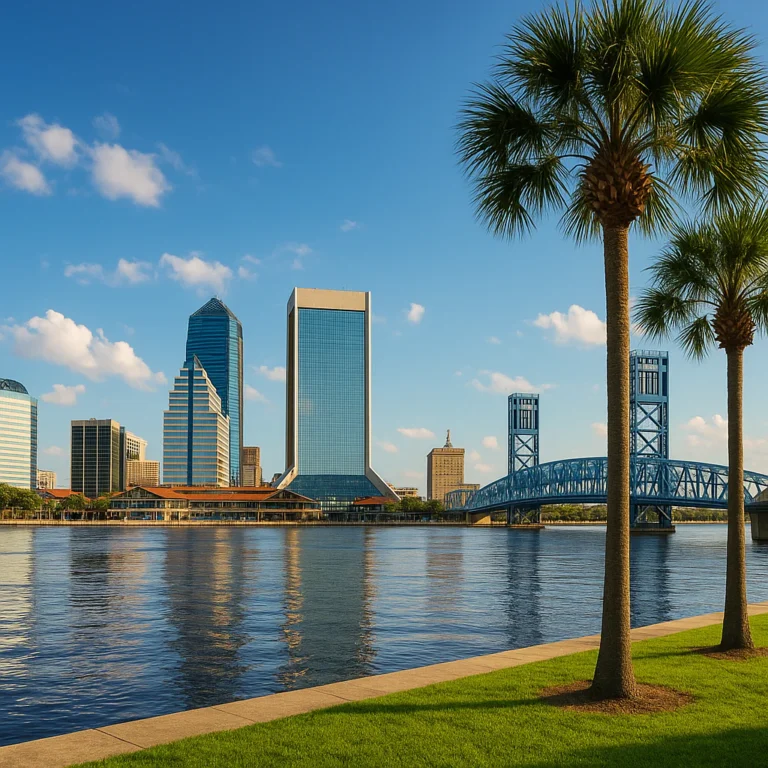
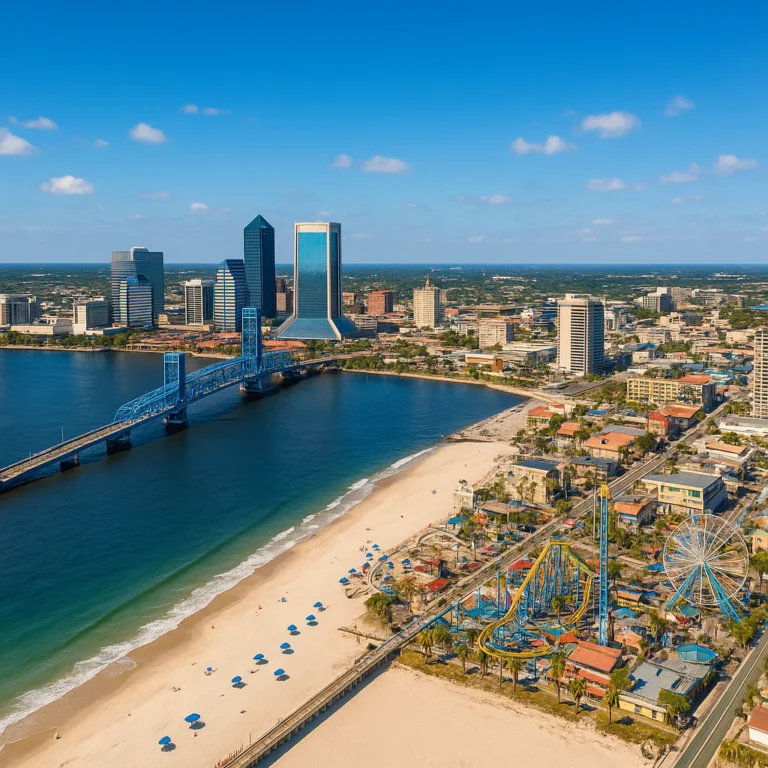
What is Jacksonville famous for? Jax is best known for its Atlantic beaches, the St. Johns River, the Jacksonville Jaguars, and a wonderfully varied mix of outdoor life, history, and local food. It’s a big, spread-out city where a beach morning and a riverfront evening can feel like two different vacations.
Ask locals about Jacksonville’s signature flavor and you may hear about Mayport shrimp, garlic crabs, or the camel rider sandwich. Ask what makes the city feel like home, and the answer might be the river, the Jaguars, or a favorite neighborhood café. That variety is the real story: Jacksonville isn’t one attraction—it’s a whole collection of Jax-sized surprises.
Key Takeaways
- Beaches and the St. Johns River define Jacksonville’s coastal, waterfront character.
- The Jaguars, The Players Championship, and local sports traditions give the city plenty of team spirit.
- Mayport shrimp, garlic crabs, camel riders, and datil pepper bring distinctive First Coast flavor.
- Historic neighborhoods, film history, museums, and the Timucuan Preserve reveal a deeper side of Jax.
- Jacksonville is huge and spread out: plan by neighborhood to spend less time driving and more time exploring.
Table of Contents
- ⚡️ Quick Tips and Facts
- 🌴 What Is Jacksonville Famous For? A Quick Overview
- 📜 Jacksonville History: From Timucua Country to River City
- Indigenous roots and the founding of Jacksonville
- The Great Fire and the city’s rebuilding
- Jacksonville’s role in film history
- 🏖️ Beaches, Surfing, and the Atlantic Coast
- Jacksonville Beach, Neptune Beach, and Atlantic Beach
- Surfing, fishing, and coastal outdoor activities
- 🌊 The St. Johns River and Jacksonville’s Waterfront
- Riverwalks, parks, and waterfront views
- What you can see from downtown and the river
- 🏈 Jacksonville Sports: The Jaguars, Golf, and Local Traditions
- The Jacksonville Jaguars and NFL game-day culture
- The Players Championship and Jacksonville golf
- College football, baseball, and other local favorites
- 🍤 Jacksonville Cuisine: Seafood, Southern Food, and Local Favorites
- 31 Jacksonville foods and flavors to know
- Shrimp, oysters, and fresh-from-the-coast seafood
- Craft beer, local breweries, and Jacksonville drinks
- Where to find the city’s signature dishes
- 🎨 Jacksonville Culture, Neighborhoods, and Local Character
- Riverside and Avondale: historic homes and creative energy
- San Marco, downtown, and the urban core
- The Beaches: laid-back coastal living
- Arts, music, festivals, and local traditions
- 🏛️ Jacksonville Architecture and Historic Landmarks
- The Main Street Bridge and downtown skyline
- Kingsley Plantation and Jacksonville’s complex history
- Fort Caroline and the Timucuan Preserve
- 🌳 Parks, Wildlife, and Outdoor Adventures
- Timucuan Ecological and Historic Preserve
- Big Talbot Island and Boneyard Beach
- Hiking, kayaking, and birdwatching
- 📍 25 Top Attractions That Make Jacksonville Famous
- 🏙️ Jacksonville Facts: Size, Population, and What Makes Jax Different
- Why Jacksonville is the largest city by land area in the contiguous U.S.
- Jacksonville versus Jax: names, nicknames, and local lingo
- ✈️ Getting to Jacksonville and Getting Around
- Jacksonville International Airport and regional connections
- Driving, public transit, and getting between neighborhoods
- When to visit Jacksonville and what the weather is like
- 💼 Jacksonville’s Economy, Port, and Tourism Impact
- The Port of Jacksonville and maritime industries
- Major employers and the city’s growing economy
- How tourism supports Jacksonville
- 🧭 Is Jacksonville Worth Visiting? Who Will Love Jax
- Best things to do for families, couples, and solo travelers
- How Jacksonville compares with other Florida cities
- ✅ Quick Jacksonville Travel Tips
- Conclusion
- Recommended Links
- FAQ
- Reference Links
⚡️ Quick Tips and Facts
If someone asks what Jacksonville is famous for, our short answer is beaches, the St. Johns River, the Jacksonville Jaguars, outdoor space, and a proudly local food scene. The longer answer? Jacksonville is a sprawling coastal city with a personality that changes from one neighborhood to the next. You can watch surfers in the morning, explore a historic neighborhood over lunch, and cheer for the Jags by evening.
For more local background, browse our guides to Jacksonville Facts and Jacksonville Culture. And yes, the city’s football identity has plenty of memorable names behind it: meet 15 famous Jacksonville Jaguars players.
| Quick fact | What to know |
|---|---|
| City nickname | Jax, River City, and the Bold City |
| Signature waterway | The St. Johns River, which flows south to north |
| Coastal claim to fame | Atlantic beaches and a long stretch of shoreline |
| Outdoor calling card | A huge network of city parks, preserves, and waterfront spaces |
| Major-league team | The NFL’s Jacksonville Jaguars |
| Local food shorthand | Mayport shrimp, camel riders, garlic crabs, datil pepper, and barbecue |
| Historic distinction | Jacksonville was an early center of U.S. silent-film production |
| Best-known local vibe | Big-city footprint, beach-town escapes, and a relaxed First Coast feel |
Visit Jacksonville describes the city as having more than 840 square miles and an extensive park system. Those figures depend on how land area and park acreage are counted, so we treat tourism-board totals as useful orientation—not a reason to imagine all of Jacksonville is a single, easily walkable district. The U.S. Census Bureau is the better source for population and official city statistics; Visit Jacksonville’s Jax Facts is handy for visitor-focused highlights.
Local tip: Jacksonville is a “plan by area” destination. Beaches, downtown, Riverside, and the Northside are spread out. Pick a home base and check driving times before stacking your itinerary.
🌴 What Is Jacksonville Famous For? A Quick Overview
Jacksonville is famous for being Florida’s big, beachy, river-crossed city—but each of those labels comes with a little asterisk. The beaches are real, but they’re not downtown. The river is central to the city’s identity, but it’s not a lazy little stream you can cross in a hop. And “big” means you’ll want a car or a careful transit plan.
Here’s what Jax is best known for:
- Atlantic beaches: Jacksonville Beach, Neptune Beach, and Atlantic Beach offer sand, surf, fishing, and coastal neighborhoods. Explore our Jacksonville Beaches guides.
- The St. Johns River: The river shapes the skyline, parks, bridges, maritime history, and the “River City” nickname.
- The Jaguars: NFL Sundays turn the stadium area into a sea of teal, black, and gold.
- Outdoor recreation: Parks, marshes, trails, kayaking, fishing, and the vast Timucuan preserve make nature part of everyday life.
- Local food with a regional accent: Mayport shrimp, camel riders, Jacksonville-style garlic crabs, and mustard-forward barbecue all have local followings.
- Music and culture: Lynyrd Skynyrd and The Allman Brothers Band both trace roots to Jacksonville.
- History and architecture: The 1901 fire, the city’s film-era legacy, historic neighborhoods, and landmarks like the Florida Theatre give Jax more layers than its beach reputation suggests.
- A distinctive urban scale: Jacksonville’s city limits cover a remarkable area, which helps explain why one neighborhood can feel like a separate small town from another.
Visit Jacksonville’s promotional materials celebrate 22 miles of beaches and 1,100 miles of shoreline. These are useful tourism figures, but “shoreline” can include riverbanks, marsh edges, and other waterside boundaries—not 1,100 miles of beach. For the city’s natural and historic sites, the National Park Service’s Timucuan Preserve overview gives a grounded look at the landscapes beyond the postcard sand.
📜 Jacksonville History: From Timucua Country to River City

Jacksonville’s history stretches well before the city got its current name. The region was home to Indigenous communities, including Timucua peoples, long before European colonization. Later, French, Spanish, British, and American powers competed for the First Coast. The result is a local history shaped by Indigenous survival, colonial conflict, river commerce, military growth, migration, and rebuilding.
For a deeper look at local stories, explore Jacksonville Facts and Jacksonville Culture.
Indigenous roots and the founding of Jacksonville
The St. Johns River and surrounding waterways supported Indigenous communities for thousands of years. The name Timucuan refers to a broad Indigenous language and cultural region; it should not be mistaken for one single, uniform community. The National Park Service’s Timucuan Ecological and Historic Preserve interprets the area’s Indigenous and colonial history.
European rivalry left a visible mark. The French established Fort Caroline in the 1560s, while Spain built St. Augustine farther south. The exact location of the original Fort Caroline remains uncertain; today’s Fort Caroline National Memorial is a commemorative site, not a confirmed original fort footprint. The National Park Service explains the memorial and its history.
The modern city grew from a settlement known as Cow Ford, a crossing point on the St. Johns. Jacksonville was named for Andrew Jackson, Florida’s first territorial military governor, who is generally reported never to have visited the settlement. Duval County, meanwhile, honors William Pope Duval, Florida’s first territorial governor.
The Great Fire and the city’s rebuilding
On May 3, 1901, a fire began in a mattress factory and swept through downtown. It destroyed more than 2,300 buildings, displaced thousands, and reshaped the city’s built environment. The catastrophe is often called the Great Fire of 1901 and remains one of the most consequential events in Jacksonville history.
The rebuilding brought in architects and builders whose work can still be seen in downtown and nearby neighborhoods. Architect Henry John Klutho became especially influential, introducing Prairie School design to Jacksonville. The Florida Department of State’s historic preservation resources and the Library of Congress offer archives and records for researching the fire and the city’s architectural recovery.
What did the fire not erase? Neighborhoods, institutions, and communities continued to develop beyond the downtown blocks. Jacksonville’s present-day identity owes as much to those surrounding places as it does to the rebuilt core.
Jacksonville’s role in film history
Before Hollywood became the movie capital, Jacksonville had a thriving silent-film industry. The city’s mild climate, varied scenery, and rail connections helped attract film companies in the early 20th century. Jacksonville’s film community included Norman Studios, which produced race films with Black casts and stories during an era when mainstream film representation was deeply discriminatory.
Norman Studios survives as a historic site, and the Norman Studios website shares its story and preservation work. The broader takeaway: Jacksonville was not just scenery for early movies; it was a working production center with a significant place in Black film history.
🏖️ Beaches, Surfing, and the Atlantic Coast
Jacksonville’s beaches are a major reason people visit—and a key part of local life. The coast is not one continuous resort strip. Each beach community has its own rhythm, from lively Jacksonville Beach to quieter stretches and walkable shopping districts.
The National Weather Service Jacksonville office is a smart check before beach days, especially during storm season. For official beach and coastal information, see the City of Jacksonville Beach and our Jacksonville Beaches category.
Jacksonville Beach, Neptune Beach, and Atlantic Beach
| Beach area | Best for | What it feels like |
|---|---|---|
| Jacksonville Beach | Surfing, pier walks, restaurants, events | The busiest and most visitor-friendly hub |
| Neptune Beach | A quieter beach day and local dining | Residential, relaxed, and close to Beaches Town Center |
| Atlantic Beach | A mellow coastal escape | Laid-back, with parks and neighborhood character |
| Hanna Park | Camping, biking, fishing, and beach access | A nature-heavy option at the north end of the beach area |
| Ponte Vedra Beach | Golf, resort stays, and polished coastal scenery | South of the city’s main beach communities |
Local perspective: If you want restaurants and a lively boardwalk feel, start with Jacksonville Beach. If your ideal beach day includes a less hectic towel spot, try Atlantic or Neptune Beach—then verify access, parking, and conditions before you go.
Surfing, fishing, and coastal outdoor activities
The Atlantic here offers surfable waves, though conditions vary with wind, swell, tide, and season. Beginners should check local surf reports and consider a lesson rather than guessing their way into a rip current. The National Weather Service’s rip-current safety guidance is worth reading before anyone heads into the water.
Popular coastal activities include:
- Surfing: Jacksonville Beach is a familiar local surf hub.
- Pier fishing: Check current rules and licensing through the Florida Fish and Wildlife Conservation Commission.
- Kayaking and paddleboarding: Launch on calmer creks and intracoastal waters; check tide and weather.
- Beach walking and shell spotting: Low tide can make for a longer, easier shoreline stroll.
- Birdwatching: Coastal dunes and marshes host shorebirds and other wildlife. Keep a respectful distance, especially near nesting areas.
Beach-day checklist:
- Check the forecast, surf conditions, and any beach advisories.
- Bring water, sun protection, and footwear for hot sand.
- Use marked beach access and follow posted rules.
- If caught in a rip current, don’t fight it straight back to shore; float, signal for help, and swim parallel to shore when able.
- Pack out trash and leave wildlife undisturbed.
Surf and shoreline: what to expect from your hotel room
A Jacksonville hotel listing that says “near the beach” may mean a short walk, a quick drive, or a view that requires leaning around a palm tree. Check the actual map pin and read recent guest reviews for details about beach access, parking, noise, and room orientation.
- Oceanfront: Direct or near-direct beach views, but confirm whether the room itself faces the ocean.
- Across the road from the beach: Convenient, though traffic and crossings matter.
- Inland near the beach: Often quieter; plan for a drive or bike ride.
- Downtown riverfront: Great for bridges and skyline views, but not a beach stay.
The first video featured in the article takes a visitor-friendly angle, highlighting Jacksonville Beach, the Riverwalk, Big Talbot Island, the zoo, and other stops in its top 10 things to do in Jacksonville video. It’s a useful inspiration list; use a map to group the stops, because “one quick hop” in Jacksonville can turn into a proper drive.
🌊 The St. Johns River and Jacksonville’s Waterfront
Jacksonville is called the River City because the St. Johns is more than a scenic backdrop. The river is a working waterway, a recreational space, a habitat, and a visual anchor for downtown. It also has an unusual direction of flow: unlike most major U.S. rivers, it runs generally south to north before reaching the Atlantic.
The St. Johns River Water Management District provides watershed and river information. For more city context, visit Jacksonville Facts.
Riverwalks, parks, and waterfront views
The Northbank and Southbank Riverwalk areas offer a close-up look at the river and downtown. Paths, parks, bridges, and public spaces make the waterfront a natural place to stroll, though access and construction can vary by segment. Check the City of Jacksonville parks and recreation information before planning a longer route.
Good ways to enjoy the river:
- Walk a Riverwalk segment around sunset.
- Take a river cruise or guided boat tour when available.
- Watch the bridges open for marine traffic.
- Explore parks along the river and nearby neighborhoods.
- Look for manates and birds from a respectful distance; sightings are never guaranteed.
What you can see from downtown and the river
From the waterfront, you may spot the downtown skyline, river traffic, the Main Street Bridge, the Acosta Bridge, and the distant curve of other crossings. The river’s width makes downtown feel open rather than hemed in—a rare bit of breathing room in a central business district.
For an elevated view, River & Post is a well-known rooftop restaurant and bar in Riverside. Its official site can confirm current hours and dining details. The first video’s creator recommends it as a sunset stop; think of that as one person’s travel tip, not a guarantee of a quiet table or perfect weather.
🏈 Jacksonville Sports: The Jaguars, Golf, and Local Traditions
Jacksonville sports are not just something to watch; they’re part of the city’s shared calendar. The Jaguars dominate the professional conversation, while golf, college football, road races, and baseball add their own local traditions. For a closer look at the players who helped define the team, see 15 famous Jacksonville Jaguars players.
The Jacksonville Jaguars and NFL game-day culture
The Jacksonville Jaguars joined the NFL as an expansion franchise in 1995. They play at EverBank Stadium, near downtown and the river. The stadium has also hosted major events, including Super Bowl XXXIX in 2005.
| Sports feature | Why locals talk about it |
|---|---|
| Jaguars home games | A downtown-sized gathering with teal gear, tailgating, and plenty of team spirit |
| The stadium’s location | Close to the river and downtown, but traffic and event parking need planning |
| The annual Florida–Georgia game | A major college football weekend that brings visitors and loud rivalries |
| The Gate River Run | A signature road race; the 15K attracts runners from across the region |
| The Players Championship | A high-profile golf tournament held at TPC Sawgrass in Ponte Vedra Beach |
For schedules and official team information, use the Jacksonville Jaguars’ website. Game-day advice: Check stadium bag and entry policies before leaving home, and allow extra time for parking and traffic.
The Players Championship and Jacksonville golf
TPC Sawgrass, home of The Players Championship, is in Ponte Vedra Beach, just south of Jacksonville. Its famous par-3 17th hole, the Island Green, is one of golf’s most recognizable challenges. The tournament is run by the PGA Tour; current event details are available at THE PLAYERS Championship.
The area’s golf fame draws visitors, but local play is not limited to championship courses. You’ll find public courses and practice facilities around the region. Check course rules and tee-time information directly before making plans.
College football, baseball, and other local favorites
Jacksonville hosts college football events and has a long relationship with the sport. The annual Florida–Georgia game, often nicknamed the “World’s Largest Outdoor Cocktail Party,” is a major rivalry weekend. The Florida–Georgia game information and Georgia Bulldogs athletics are the most reliable places to verify schedules.
Other local sports include:
- Jacksonville Jumbo Shrimp: The city’s Minor League Baseball team plays at 121 Financial Ballpark. See the team’s official site.
- Jacksonville Icemen: The ECHL hockey team plays at VyStar Veterans Memorial Arena. Check the official team site.
- Gate River Run: A major annual road race with a 15K course. Find event details at Gate River Run.
- School and college athletics: Local universities and high schools contribute to the region’s sports culture.
🍤 Jacksonville Cuisine: Seafood, Southern Food, and Local Favorites
Jacksonville food is a blend of coastal seafood, Southern cooking, Gullah Geechee influence, immigrant-created sandwiches, and First Coast flavors. It’s not a single tidy “Jax cuisine”—it’s a collection of dishes and traditions that locals argue about over lunch, often while ordering another round of garlic sauce.
The Jaxson’s feature on Jacksonville’s signature foods calls the camel rider “Jacksonville’s signature sandwich” and “probably the city’s single most distinctive food.” That’s a persuasive case, though “signature” is a matter of local taste. Their reporting also emphasizes Mayport shrimp, garlic crabs, datil pepper, and Gullah Geechee food traditions.
31 Jacksonville foods and flavors to know
Not all of these dishes originated within Jacksonville’s city limits, but all are part of the wider First Coast food conversation.
- Mayport shrimp — Wild-caught local shrimp associated with the Mayport fishing community.
- Jacksonville-style garlic crabs — Crabs cooked with garlic butter, often alongside corn, potatoes, sausage, or eggs.
- Camel rider — A pita packed with cold cuts and sandwich fixings.
- Garlic shrimp rider — A seafood-minded variation on the camel rider.
- Vegie rider — A meatless spin on the local pita sandwich.
- Steak-in-a-sack — A hearty pita-style sandwich with steak and fillings.
- Lubi — A steamed sandwich of seasoned ground sirloin, onions, peppers, and cheese.
- Mozarella Lubi — A popular Lubi variation with mozzarella.
- Datil pepper sauce — A fiery First Coast condiment with a distinctive fruity heat.
- Minorcan chowder — Tomato-based chowder, often made with seafood and datil pepper.
- Shrimp and grits — A regional favorite shaped by coastal and Southern traditions.
- Gullah Geechee seafood boil — A communal spread with seafood, vegetables, and seasoning.
- Hoppin’ John — Rice and peas or beans with deep Southern roots.
- Salmon patties — A familiar home-style Southern dish.
- Gumbo — A rich stew with many regional variations.
- She-crab soup — A creamy coastal soup found on menus around the region.
- Lowcountry rice dishes — Rice-centered cooking with African and coastal influences.
- Mustard-based barbecue — A Jacksonville-area barbecue style often balanced with vinegar and sweetness.
- Smoked pork barbecue — A staple at local barbecue restaurants.
- Barbecue chicken — A smoky, sauced favorite with plenty of local interpretations.
- Puled pork sandwiches — A classic barbecue order, sometimes finished with mustard sauce.
- Fried shrimp — A seafood-house standby, best when made with fresh local catch.
- Oysters — Look for seasonal availability and clear sourcing.
- Fried fish — A common coastal and Southern comfort-food choice.
- Fish sandwiches — A simple, satisfying way to taste local seafood.
- Boiled peanuts — A salty Southern snack, often sold at roadside stands.
- Honey drippers — Frozen fruit punch or drink mix in a cup, associated with Jacksonville summers.
- Sweet tea — A regional classic; ask for unsweetened if you prefer to control the sugar.
- Key lime pie — A Florida favorite, though not unique to Jacksonville.
- Local craft beer — Jacksonville breweries offer styles from pale ales to stouts.
- Fresh seasonal produce — Farmers markets feature regional produce, baked goods, and prepared foods.
A note on claims: The Jaxson describes Jacksonville as having a particularly strong Gullah Geechee community and calls garlic crabs a city specialty. Those are valuable local perspectives, but broad “largest” or “world capital” claims can be difficult to verify consistently. Treat them as cultural storytelling, and use sources such as the Gullah Geechee Cultural Heritage Corridor for broader historical context.
Shrimp, oysters, and fresh-from-the-coast seafood
“Mayport shrimp” refers to shrimp caught and landed in the local area, not a particular shrimp species. The waters off the First Coast have supported shrimping for generations, while the local industry has faced pressure from changing dock access, competition, and imported seafood.
To make a seafood order count:
- Ask where the shrimp or fish was caught.
- Check whether the menu identifies local sourcing.
- Try a simple preparation, such as grilled or lightly fried shrimp, to taste the seafood itself.
- Follow seasonal availability for oysters and other shellfish.
- Use the Florida Department of Agriculture and Consumer Services seafood guidance when researching seafood safety and sourcing.
Local perspective: Some residents will tell you the best shrimp is the simplest shrimp. Others want the full garlic-butter crab boil. We support both camps—just don’t wear your nicest white shirt to the second one.
Craft beer, local breweries, and Jacksonville drinks
Jacksonville’s brewery scene offers a way to explore neighborhoods one taproom at a time. Local names include Intuition Ale Works, Aardwolf Brewing Company, Buchner’s Bierhalle, and Strings Sports Brewery. Check each brewery’s official site for current hours, events, and tap lists:
You’ll also find rooftop cocktails, beach bars, coffee shops, and the locally nicknamed honey dripper. That frozen treat is usually homemade or sold by neighborhood vendors, so availability can be seasonal and informal. Plan a tasting responsibly: designate a driver or use a rideshare, and check venue rules before bringing children or pets.
Where to find the city’s signature dishes
For camel riders and Lubis, independent sandwich shops and neighborhood delis are often the right places to investigate. The Jaxson identifies Lubi’s Hot Subs on Beach Boulevard as the remaining location associated with the Lubi tradition; verify hours and current operations before making a special trip.
For barbecue, local institutions commonly mentioned include Holey’s Bar-B-Q, Jenkins Quality Barbecue, Coten’s, Jerome Brown Bar-B-Q, and The Pig Bar-B-Q. Menus, locations, and ownership can change, so check current business listings and the restaurants’ own channels.
How to build a Jacksonville food crawl:
- Pick one region—Riverside, downtown, the Beaches, or the Northside.
- Choose one signature item, such as a camel rider or garlic crabs.
- Add one seafood stop and one local brewery or dessert stop.
- Check opening days; some beloved neighborhood spots keep limited hours.
- Ask locals what they order. You may get a passionate answer and an unsolicited sauce recommendation.
🎨 Jacksonville Culture, Neighborhoods, and Local Character
Jacksonville culture is best understood as a patchwork. Historic districts, beach communities, downtown institutions, military families, artists, and longtime neighborhood businesses each add a different thread. The city’s scale means you can’t assume the culture in one area represents all of Jax.
Explore more local stories through Jacksonville Culture and Jacksonville Demographics.
Riverside and Avondale: historic homes and creative energy
Riverside and Avondale are known for historic architecture, independent shops, cafes, and a lively arts scene. The neighborhoods are popular for walking, though sidewalks and distances vary by block. Five Points is a familiar gathering spot for restaurants, shopping, and nightlife.
On Saturdays, the Riverside Arts Market draws artists, farmers, food vendors, and visitors beneath the Fuller Warren Bridge. Check the market’s official site for operating dates and details; it is generally a seasonal outdoor market, and weather can affect plans.
San Marco, downtown, and the urban core
San Marco is known for its historic character, restaurants, and central square. Downtown offers the riverfront, sports venues, cultural institutions, and an evolving mix offices and residential buildings. These areas are close on a city map, but bridges, road layouts, event traffic, and construction can affect travel time.
For a visitor, downtown is a useful base for river views and events. For a neighborhood dinner, San Marco and Riverside often offer more walkable clusters of restaurants than a large suburban shopping center.
The Beaches: laid-back coastal living
Jacksonville’s beach communities have their own identity and civic services. Beaches Town Center, between Neptune Beach and Atlantic Beach, is a walkable pocket of restaurants and shops near the ocean. Jacksonville Beach is generally busier, while Atlantic Beach and Neptune Beach can feel more residential.
The trade-off is distance: beach lodging puts the shoreline close and downtown farther away. Check the Jacksonville Beach official site for local information and our Jacksonville Beaches guides for neighborhood context.
Arts, music, festivals, and local traditions
Jacksonville’s cultural calendar includes music, theater, food events, markets, and sports weekends. Notable institutions and events include:
- Florida Theatre: A historic downtown venue that opened in 1927. See its official calendar.
- Jacksonville Symphony: Performances take place at Jacoby Symphony Hall. Check the Symphony’s schedule.
- Cummer Museum of Art & Gardens: Art collections and riverfront gardens; confirm hours through the museum’s official site.
- MOCA Jacksonville: Contemporary art exhibitions and programs; visit MOCA’s site.
- Riverside Arts Market: Local makers, food vendors, and live entertainment when in season.
- Gate River Run: A major local road-racing tradition.
- Florida–Georgia football weekend: A regional rivalry with a party atmosphere and significant traffic.
Lynyrd Skynyrd and The Allman Brothers Band both formed in Jacksonville, leaving a lasting mark on the city’s Southern rock identity. For a fuller overview of local cultural life, see Jacksonville Culture.
🏛️ Jacksonville Architecture and Historic Landmarks
Jacksonville’s landmarks tell stories of fire, commerce, entertainment, and changing communities. The city is not a single open-air museum, but a little planning reveals historic theaters, distinctive bridges, old neighborhoods, and important sites across the region.
For archival and preservation information, start with the Florida Department of State’s Division of Historical Resources.
The Main Street Bridge and downtown skyline
The John T. Alsop Jr. Bridge, commonly called the Main Street Bridge, is one of downtown’s recognizable river crossings. Its blue color and lift-span design make it a favorite in skyline photos. Nearby, Friendship Fountain and the riverfront parks offer views across the St. Johns; check the City of Jacksonville’s parks information for current site details.
The bridges are working infrastructure, not just scenery. River traffic may prompt openings, and road conditions can change during events or maintenance. If you’re photographing the skyline, use public paths and follow posted safety guidance.
Kingsley Plantation and Jacksonville’s complex history
Kingsley Plantation, within the Timucuan Preserve, interprets the lives of enslaved people and the plantation system, alongside the history of the Kingsley family. It is a sobering and important site, not merely a picturesque stop. The National Park Service’s Kingsley Plantation page provides visitor information and historical context.
Give yourself time to read the exhibits and reflect. Jacksonville’s history cannot be told honestly without addressing slavery, Indigenous displacement, segregation, and the communities that endured and shaped the region.
Fort Caroline and the Timucuan Preserve
The Timucuan Ecological and Historic Preserve protects coastal ecosystems and historic sites across a broad area. Fort Caroline National Memorial commemorates the short-lived French settlement in the 1560s. The memorial is not the confirmed original fort location; the original site has not been definitively identified.
The preserve includes wetlands, maritime forests, waterways, and cultural sites. Begin with the National Park Service visitor information, and bring sun protection and water. Some locations are spread out, so plan driving routes rather than expecting one compact park entrance.
🌳 Parks, Wildlife, and Outdoor Adventures
Jacksonville’s outdoor reputation is well earned. The region includes city parks, beaches, marshes, wooded trails, and protected areas. Visit Jacksonville cites a city park system of roughly 80,000 acres, but park totals vary by whether they count city, state, federal, and preserve lands. The City of Jacksonville parks directory and the National Park Service help you distinguish specific places and managing agencies.
Timucuan Ecological and Historic Preserve
The Timucuan Preserve includes salt marshes, coastal wetlands, historic sites, and places such as Fort Caroline and Kingsley Plantation. The NPS describes the preserve as covering about 46,000 acres, though exact figures can be presented differently depending on what is included in a particular summary.
What makes it special is the combination of nature and history: one visit can put you in a maritime forest, beside a tidal creek, and within a landscape shaped by centuries of human activity. Start with the NPS planning page to check access and site conditions.
Big Talbot Island and Boneyard Beach
Big Talbot Island State Park is known for its coastal forest and Boneyard Beach, where weathered tree trunks and branches lie along the shoreline. It’s a striking place for photography and a reminder that coastal environments are dynamic, not neatly arranged for visitors.
The Florida State Parks service provides official park information. Follow posted access and safety rules, avoid climbing unstable driftwood, and check tides and weather before setting out.
Hiking, kayaking, and birdwatching
Good outdoor options around Jacksonville include:
- Hiking and nature trails: Look for routes at state parks and preserves, and check trail closures.
- Kayaking: Explore calmer creks and marshes with a suitable launch plan.
- Birdwatching: Bring binoculars and keep distance from nesting birds.
- Fishing: Follow current license and species rules through Florida Fish and Wildlife Conservation Commission.
- Cycling: Use designated paths where available; road conditions differ widely by neighborhood.
- Camping: State parks may offer camping, but reservations and rules vary. Check Florida State Parks.
Step-by-step for a safe paddling outing:
- Choose a route suited to your experience and the day’s wind and tide.
- Check weather and marine forecasts through the National Weather Service Jacksonville.
- Wear a properly fitted life jacket; Florida boating safety guidance is available from FWC.
- Tell someone your launch point and return time.
- Carry water, sun protection, a phone in a waterproof case, and a backup plan.
- Avoid approaching manates, dolphins, and nesting wildlife.
📍 25 Top Attractions That Make Jacksonville Famous
Jacksonville attractions are spread out, so think of this as a menu, not a one-day scavenger hunt. We’d group stops by neighborhood and choose a few that fit your interests.
- Jacksonville Beach — Surf, sand, pier walks, and nearby dining.
- Neptune Beach — A calmer coastal community with local restaurants.
- Atlantic Beach — Beach access and a relaxed neighborhood feel.
- Beaches Town Center — Shops and restaurants near the ocean.
- St. Johns Riverwalk — Downtown and Southbank waterfront scenery.
- Friendship Fountain — A familiar riverfront landmark.
- EverBank Stadium — Home of the Jaguars and a venue for major events; check the stadium and team site.
- Riverside Arts Market — A Saturday market with local makers and food vendors; verify its schedule.
- Cummer Museum of Art & Gardens — Art and riverfront gardens; see visitor information.
- Museum of Contemporary Art Jacksonville — Contemporary art exhibits and programs at MOCA Jacksonville.
- Jacksonville Zoo and Botanical Gardens — Animal habitats and gardens; check the official zoo site.
- Fort Caroline National Memorial — A memorial to French colonial history; details at the NPS site.
- Kingsley Plantation — A historic site interpreting plantation life and enslavement; visit the NPS page.
- Timucuan Ecological and Historic Preserve — Coastal nature and history across multiple sites.
- Big Talbot Island State Park — Forest, shoreline, and Boneyard Beach.
- Little Talbot Island State Park — Natural beach and coastal recreation.
- Hanna Park — Beach access, trails, camping, and outdoor recreation.
- Florida Theatre — Historic performance venue; see the event calendar.
- Riverside and Five Points — Historic streets, restaurants, shops, and nightlife.
- Avondale — Architectural character and independent businesses.
- San Marco Square — Restaurants, shops, and neighborhood architecture.
- The Players Championship at TPC Sawgrass — A major golf event in nearby Ponte Vedra Beach; check THE PLAYERS.
- Jacksonville Riverfront parks — Public spaces for city and bridge views.
- Norman Studios — A significant site in early film and Black film history; see Norman Studios.
- Jacksonville Symphony at Jacoby Symphony Hall — A cultural night out; check the Symphony’s schedule.
The first video in this article spotlights a different kind of itinerary: its creator recommends Jacksonville Beach, the Riverside Arts Market, the Riverwalk, Cummer Museum, the zoo, Big Talbot Island, MOSH, and sunset drinks at River & Post. Watch the featured Jacksonville travel video for that visitor’s perspective, then cross-check opening days and travel time before you set off.
🏙️ Jacksonville Facts: Size, Population, and What Makes Jax Different
Jacksonville is unusual because the city and Duval County consolidated in 1968, creating a municipal footprint that includes urban neighborhoods, suburban areas, beaches, and large stretches of natural land. That consolidation is why “Jacksonville” can refer to a downtown street grid, a beach community, or a far-flung neighborhood within the same city government.
| Fact | Why it matters |
|---|---|
| City-county consolidation | Helps explain Jacksonville’s unusually broad city boundaries |
| Large land area | Makes driving distances and neighborhood planning important |
| St. Johns River | Shapes the city’s landscape, commerce, and identity |
| Atlantic coast access | Gives the city beaches and marine recreation |
| Military presence | Local bases and defense-related jobs contribute to the regional economy |
| Major transportation links | I-95, I-10, rail, airport, and port connect the city to the Southeast |
For official demographic data, use the U.S. Census Bureau QuickFacts page. For local population and community context, see Jacksonville Demographics.
Why Jacksonville is the largest city by land area in the contiguous U.S.
Jacksonville is frequently described as the largest U.S. city by land area in the contiguous states. The key is municipal boundary size, not that every part of the city is dense or urban. Consolidation with Duval County incorporated a wide range of communities and landscapes under one city government.
That means the headline is accurate as a land-area comparison, but it can mislead visitors expecting a compact city center. Jacksonville is better understood as a network of districts. Build your schedule by region, and you’ll spend more time enjoying Jax and less time asking, “How are we still on the same street?”
Jacksonville versus Jax: names, nicknames, and local lingo
- Jacksonville: The formal city name.
- Jax: A widely used short name, also seen in the airport code JAX.
- River City: A nod to the St. Johns River.
- Bold City: A local nickname used in civic and cultural branding.
- The Beaches: A collective local reference to the Atlantic beach communities, though individual beach cities have their own identities.
- First Coast: A regional term for Northeast Florida and the surrounding coastal area.
Use “Jax” and people will know what you mean. Ask someone to define exactly where “the Beaches” begin and end, and you may get a spirited geography lesson.
✈️ Getting to Jacksonville and Getting Around
Jacksonville is a practical road-trip destination, with I-95 running north–south and I-10 heading west. It also has a major airport, passenger rail, bus service, and a public transit network. The catch is that attractions are widely dispersed, so a car is often the easiest way to connect beaches, downtown, and the Northside.
For transit details, check Jacksonville Transportation Authority, and for airport information visit Jacksonville International Airport.
Jacksonville International Airport and regional connections
Jacksonville International Airport (JAX) serves domestic routes and is north of downtown. The airport’s official flight and traveler information is the source to use for current airline service, parking, and ground transportation.
Other ways to arrive include:
- Amtrak: Passenger rail service connects Jacksonville with other cities; check Amtrak’s Jacksonville station page.
- Interstate highways: I-95 and I-10 meet in the metro area.
- Bus travel: Intercity operators and local services vary; confirm current routes and stops.
- Cruise and port connections: The Port of Jacksonville is an important regional maritime hub, though passenger cruise operations and schedules can change.
Driving, public transit, and getting between neighborhoods
| Travel option | Best for | Keep in mind |
|---|---|---|
| Rental car or personal car | Beaches, parks, and multi-neighborhood trips | Parking and event traffic can add time |
| JTA bus | Some downtown and corridor trips | Check routes, frequency, and service hours |
| Skyway | Limited downtown-area travel | It serves a small area; it is not a citywide rail network |
| Rideshare | Direct trips and evenings out | Availability and pickup times vary by location and event |
| Walking or biking | Compact districts such as parts of Five Points or the Beaches Town Center | Sidewalk and bike infrastructure varies by route |
How we plan a day in Jax:
- Pick a main area: Beaches, downtown, Riverside, or the Northside.
- Add no more than one distant attraction unless you’re comfortable driving.
- Check traffic, construction, and event schedules.
- Confirm parking and opening hours directly with the destination.
- Leave a buffer for bridges, beach traffic, and the occasional “we should have left ten minutes ago” moment.
When to visit Jacksonville and what the weather is like
Jacksonville has a humid subtropical climate, with hot, humid summers and generally mild winters. Spring and fall are popular for outdoor plans, though weather shifts can happen. Hurricane season officially runs June 1 through November 30; follow the National Hurricane Center and local emergency information when a storm threatens.
Before traveling:
- Check the National Weather Service Jacksonville forecast.
- Pack sunscreen and water for warm months.
- Bring a light layer for breezy evenings or cool-season riverfront walks.
- Keep flexible plans during storm season.
- Check beach flags and surf conditions before swimming.
💼 Jacksonville’s Economy, Port, and Tourism Impact
Jacksonville’s economy has several pillars: logistics, health care, finance, defense, manufacturing, port activity, education, and tourism. Its size and location connect it to the wider Southeast, while the military presence and maritime industries add a distinctive regional dimension.
The Port of Jacksonville and maritime industries
The Port of Jacksonville, commonly called JAXPORT, handles cargo and supports jobs across shipping, logistics, and related industries. Its location on the St. Johns River connects Northeast Florida to domestic and international trade routes. For current cargo, infrastructure, and economic information, use JAXPORT’s official site.
The port is one reason Jacksonville’s waterfront is both scenic and industrial. You may see container ships, commercial vessels, and recreational boats sharing a broad river corridor. That working-waterfront character is part of the city’s identity.
Major employers and the city’s growing economy
Jacksonville’s regional employment base includes health systems, financial services, logistics firms, public agencies, universities, and military installations. The city is also home to Naval Air Station Jacksonville and Naval Station Mayport, major institutions whose workforce and community impact are substantial.
For official installation information, see NAS Jacksonville and Naval Station Mayport. For labor-market data, the U.S. Bureau of Labor Statistics and U.S. Census Bureau are more reliable than promotional summaries.
How tourism supports Jacksonville
Tourism supports hotels, restaurants, attractions, events, transportation, and local businesses. Visit Jacksonville has cited annual tourism impacts in the billions of dollars and tens of thousands of supported jobs. Those estimates can change by year and methodology, so check the organization’s research and tourism information for the latest published figures.
Tourism brings benefits—jobs, event spending, and support for local venues—but it also creates pressure around traffic, seasonal demand, and public-space management. The best visitor habits are simple: support local businesses, respect neighborhood parking rules, protect coastal environments, and plan around major events.
🧭 Is Jacksonville Worth Visiting? Who Will Love Jax
Yes, if you like variety, outdoor time, and a city that doesn’t behave like one giant tourist district. Jacksonville suits travelers who enjoy beaches, sports, parks, local food, and neighborhood exploring. It may disappoint visitors expecting a compact downtown with every major attraction within walking distance.
| Visitor type | Why Jacksonville may suit you | One thing to plan for |
|---|---|---|
| Beach travelers | Atlantic beaches, surf, and coastal dining | Beach access and downtown are separate trip zones |
| Families | Zoo, parks, museums, beaches, and sports | Distances between attractions |
| Sports fans | Jaguars, college football, baseball, golf, and road racing | Event traffic and venue policies |
| History and culture travelers | Historic neighborhoods, museums, film history, and landmarks | Some sites require a drive |
| Outdoor lovers | Kayaking, trails, fishing, and nature preserves | Heat, tides, weather, and safety |
| Food-focused visitors | Local seafood, sandwiches, barbecue, and craft breweries | Some signature foods are found at specific neighborhood spots |
Best things to do for families, couples, and solo travelers
- For families: Jacksonville Zoo and Botanical Gardens, the beach, MOSH, and parks. Check current exhibits and hours directly with the zoo and MOSH.
- For couples: A riverfront stroll, dinner in Riverside or San Marco, a beach sunset, or a show at the Florida Theatre.
- For solo travelers: A market visit, museum day, beach walk, or guided nature trip. Choose well-used public areas and check transport options at night.
- For sports fans: Plan around a Jaguars game, the Gate River Run, the Florida–Georgia game, or The Players Championship.
- For outdoorsy visitors: Pair a beach morning with a preserve or kayaking outing—but don’t try to squeeze every region into one day.
How Jacksonville compares with other Florida cities
Jacksonville differs from Miami, Orlando, and Tampa in scale and feel. It has beaches and a large metro area, but its attractions are more dispersed and its cultural identity is strongly tied to the St. Johns River, the First Coast, and Southern influences. It is also less dominated by theme-park tourism than Orlando.
That doesn’t make Jax better or worse; it makes it a different kind of trip. If you want a beach-and-city itinerary with local character, Jacksonville is a strong choice. If your top priority is theme parks or a dense, walkable downtown nightlife scene, compare your plans with other Florida destinations before booking.
✅ Quick Jacksonville Travel Tips
- Group stops by neighborhood. Jacksonville’s size makes an area-based itinerary far more relaxing.
- Check current hours. Museums, markets, parks, and restaurants may have seasonal schedules.
- Verify event traffic. Jaguars games, college football weekends, and major races can affect downtown travel.
- Treat the river as a working waterway. Use designated public access and follow boating and fishing regulations.
- Respect the beach. Check surf flags and rip-current guidance before swimming.
- Make room for local food. Try a camel rider, Mayport shrimp, garlic crabs, or datil pepper if you see them on a menu.
- Look beyond the shoreline. Riverside, Avondale, San Marco, the Timucuan Preserve, and downtown landmarks round out the picture.
- Use official sources for changing details. Check JAX Airport, JTA, Visit Jacksonville, and NWS Jacksonville before you travel.